
- how-do-you-say-restaurants-in-japanese-correctly
- exploring-different-types-of-restaurants-in-japanese-culture
- real-travel-experience-ordering-food-in-a-japanese-restaurant
- language-tips-to-sound-more-natural-when-talking-about-restaurants
- find-authentic-flavors-at-japanese-restaurant
1. How Do You Say “Restaurants” in Japanese Correctly?
If you've ever wondered how to say “restaurants” in Japanese, the word you're looking for is レストラン (resutoran). This is a loanword from English and is commonly used across Japan, especially when referring to Western-style dining places. However, for more traditional or casual dining settings, the term 飲食店 (inshokuten) is also used. This literally translates to “eating and drinking establishment.”
Knowing the difference between these terms helps travelers and language learners navigate menus, ask for directions, or make reservations more naturally while in Japan. Understanding how to say restaurants in Japanese is more than just vocabulary—it's a way to immerse yourself in the country's vibrant food culture.
2. Exploring Different Types of Restaurants in Japanese Culture
2.1 Ramen-ya (ラーメン屋)
These are ramen specialty shops where locals grab a quick, flavorful bowl on the go. While “resutoran” might refer to a full-service spot, “ramen-ya” is more specific and casual. You’ll find them bustling late at night, especially near train stations.
2.2 Izakaya (居酒屋)
An izakaya is best described as a Japanese gastropub—a place to enjoy small plates and drinks in a relaxed, lively environment. These are extremely popular for after-work socializing and are considered an essential part of Japanese restaurant culture.
2.3 Kaitenzushi (回転寿司)
Also known as conveyor-belt sushi, these spots are affordable, casual, and fun. You might not use the word “resutoran” here, but it’s still part of the broader concept of restaurants in Japanese life.
2.4 Shokudō (食堂)
Think of shokudō as the Japanese version of a diner or cafeteria. Simple meals, low prices, and a local crowd—great for language learners who want to practice ordering in a no-pressure environment.
3. Real Travel Experience: Ordering Food in a Japanese Restaurant
When Marcus visited Kyoto for the first time, he knew just a few Japanese words. He walked into a small local eatery—not a flashy “resutoran” but a cozy “shokudō.” Unsure of how to ask for a table, he simply said, “Sumimasen, futari desu” (Excuse me, two people). The staff welcomed him warmly.
After pointing at a dish he liked on the menu, he managed to say, “Kore o onegaishimasu” (This one, please). Despite the language barrier, the experience was smooth and authentic. Learning how to say “restaurant” in Japanese opened the door to much more than food—it created a connection.
4. Language Tips to Sound More Natural When Talking About Restaurants
4.1 Use Full Phrases
Instead of just saying “resutoran,” try using it in a sentence like: “Oishii resutoran wa doko desu ka?” (Where is a good restaurant?). It feels more conversational and respectful.
4.2 Know Formal vs. Casual Terms
When speaking with someone older or in a formal setting, “inshokuten” or “tenpo” may sound more polished. Among friends, “resutoran” is perfectly fine.
4.3 Learn to Read Katakana
Most Western-style restaurant names in Japan are written in katakana (like レストラン). Learning to read these characters makes navigating food courts and menus much easier.
5. Find Authentic Flavors at Japanese Restaurant
Whether you're learning the language or just love Japanese cuisine, finding the right place to eat makes all the difference. At Japanese Restaurant, you’ll discover dishes rooted in tradition—where the names of meals and the way they’re served bring language and culture to life.
From sashimi platters to tonkatsu curry, the menu reflects regional flavors and seasonal specialties. If you're curious about what to say, how to say it, and where to enjoy it, Japanese Restaurant not only satisfies your appetite—it enriches your language journey.
Next time you wonder how to say restaurants in Japanese, remember: it’s more than a word. It’s your ticket to explore one of the world’s most flavorful cultures—one delicious bite and meaningful phrase at a time.
 MoMo Sushi4.0 (389 reviews)
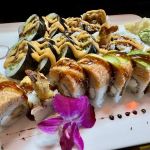 Sushi Club (Sushi All You Can Eat)4.0 (513 reviews)
 Joss Café & Sushi Bar4.0 (765 reviews)
 Kabuki Express New Albany4.0 (144 reviews)
 312 Fish Market4.0 (353 reviews)
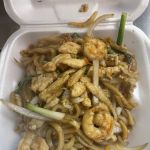 Osaka Japanese Express4.0 (61 reviews)
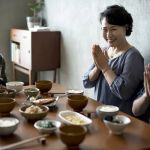 How Do You Say Restaurants in Japanese? Language and Culture Guide
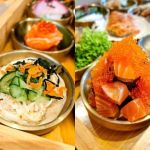 What Makes Sagami Japanese Restaurant Stand Out Among Japanese Restaurants
 Exploring the Menu at Hiro Japanese Restaurant: A Culinary Journey
 Top Dishes You Should Order at Yamato Japanese Restaurant
 Why Umami Japanese Restaurant Is a Must-Try Spot for Japanese Food Lovers
 How to Make Sweet Carrots Like a Japanese Restaurant