
- 1 - what-makes-real-wasabi-so-rare
- 2 - real-vs-fake-wasabi-in-japanese-restaurants
- 3 - how-much-is-real-wasabi-at-a-japanese-restaurant
- 4 - taste-experience-worth-the-cost
- 5 - case-study-high-end-omakase-in-los-angeles
- 6 - where-to-try-authentic-wasabi-japanese-restaurant
1. What Makes Real Wasabi So Rare?
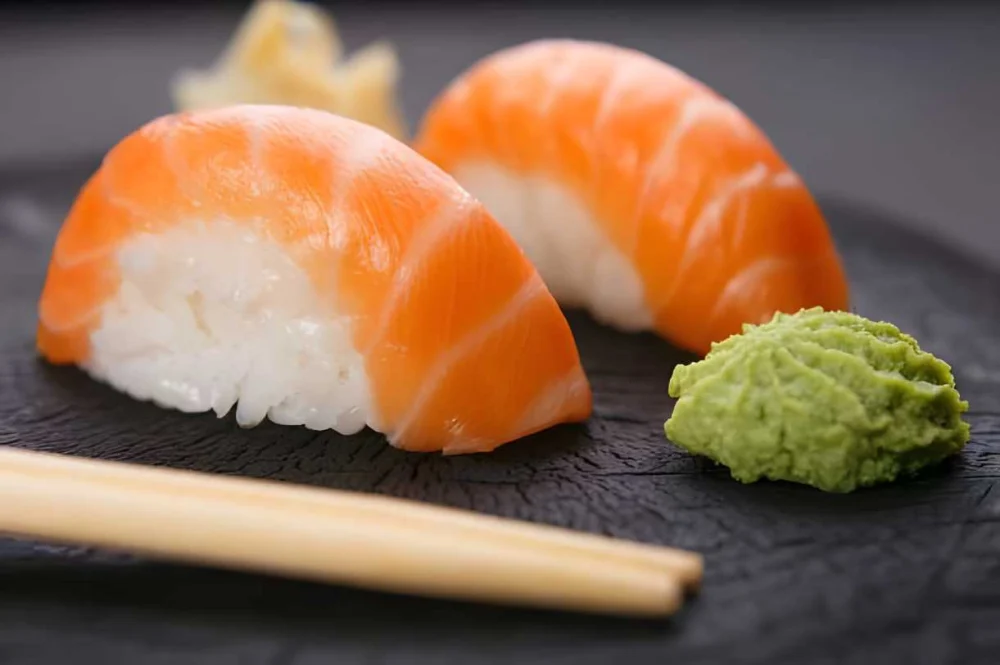
Real wasabi, known as Wasabia japonica, is a notoriously difficult plant to cultivate. It thrives only in specific conditions—cold, clean running water, shaded environments, and stable humidity. Most of the global supply comes from Japan, with a few small growers in North America and New Zealand. This limited availability drives up the cost and explains why most wasabi served worldwide isn’t real wasabi at all.
2. Real vs. Fake Wasabi in Japanese Restaurants
What you’re usually served at a typical Japanese restaurant—especially outside of Japan—is a green paste made from horseradish, mustard powder, and food coloring. While it still packs a punch, it lacks the delicate, herbal heat of authentic wasabi. Real wasabi offers a cleaner, more nuanced spice that quickly fades, unlike the intense burn of horseradish blends. Knowing the difference can enhance your dining experience.
3. How Much Is Real Wasabi at a Japanese Restaurant?
The price of real wasabi can be surprising. At mid-to-high-end Japanese restaurants, especially sushi bars and omakase experiences, a small serving of freshly grated wasabi can cost between $3 to $10 per person. In luxury settings, like Michelin-starred sushi counters, real wasabi is included as part of the meal—but the tasting menu may run over $200. If offered à la carte, a 10-gram portion can fetch prices equivalent to top-shelf ingredients like truffles or caviar.
4. Taste Experience: Worth the Cost?
Real wasabi isn’t about heat—it’s about subtlety. The spicy kick is gentler and smoother, with sweet grassy undertones that elevate raw fish rather than overpower it. Sushi chefs often grate it fresh to order using a traditional sharkskin grater. For sushi enthusiasts, this authenticity enhances both the flavor and the cultural appreciation of the meal. Paying extra becomes more than a cost—it becomes part of a ritual of respect and quality.
5. Case Study: High-End Omakase in Los Angeles
At a renowned omakase spot in Los Angeles, Chef Takahashi offers real wasabi flown in from Shizuoka Prefecture. Guests pay $285 for a 20-course meal, where each nigiri is brushed with house-made soy and paired with freshly grated wasabi. The chef explains the origin and seasonal quality of the wasabi during service. Diners frequently cite the wasabi experience as one of the meal's most memorable highlights.
6. Where to Try Authentic Wasabi – Japanese Restaurant
For those eager to taste real wasabi without guessing, visit Japanese Restaurant for curated experiences featuring fresh wasabi with traditional sushi. Whether you're a curious foodie or a seasoned connoisseur, they offer transparency about ingredients and the option to upgrade your order with this rare culinary gem.
 Daikokuya Monterey Park4.0 (1085 reviews)
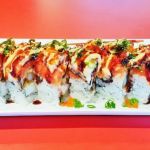 KAI Sushi & Roll4.0 (180 reviews)
 Benihana3.0 (2369 reviews)
 Benihana3.0 (1114 reviews)
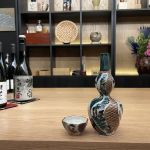 Ogawa Miami4.0 (228 reviews)
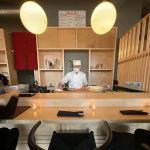 Mirakutei Sushi & Ramen4.0 (1040 reviews)
 Why Locals Recommend East Japanese Restaurant
 A Foodie’s Experience at Goshi Japanese Restaurant
 Where Do Japanese Restaurants Find Their Menu Calligraphy?
 What Sushi Restaurants Are Owned by Japanese? Discover Authentic Sushi Dining
 A Foodie’s Experience at Domo Japanese Restaurant
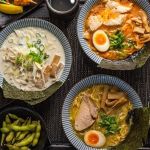 Signature Sushi and Ramen at Japanese Sushi Restaurant - A Culinary Delight