
- 1- Understanding Japanese Restaurant Decor
- 2- Key Elements of Japanese Restaurant Interiors
- 3- Choosing Furniture for a Japanese Restaurant
- 4- Lighting and Ambience in Japanese Restaurants
- 5- Authentic Japanese Decor Ideas for Your Restaurant
- 6- Real-Life Japanese Restaurant Decor Examples
1. Understanding Japanese Restaurant Decor
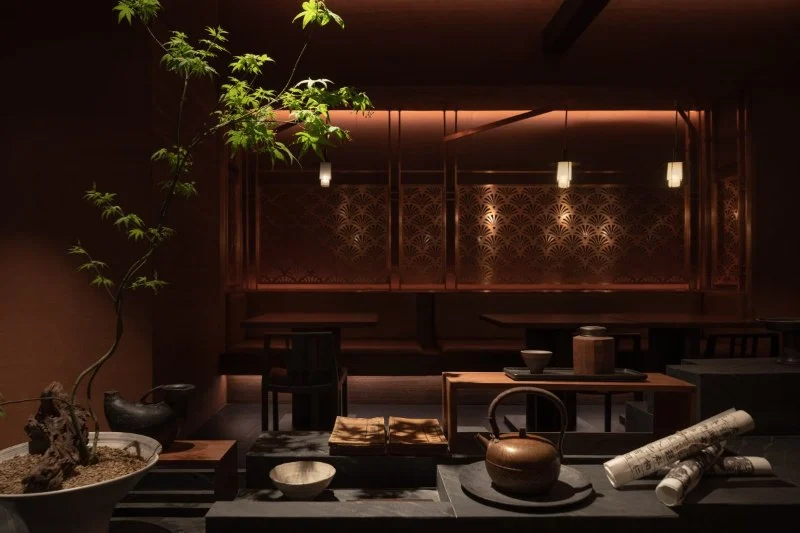
Decorating a Japanese restaurant requires a deep understanding of Japanese culture, design principles, and the atmosphere you want to create for your customers. Japanese restaurant decor is known for its minimalist, natural, and harmonious aesthetics, emphasizing simplicity, elegance, and the beauty of natural materials. This design approach is grounded in the concept of wabi-sabi, which celebrates imperfection and the transient nature of life.
When decorating a Japanese restaurant, the goal is to create a serene, inviting environment that complements the food and dining experience. Traditional Japanese decor uses neutral colors, wood, stone, and natural elements like plants and water features. Whether you are aiming for a traditional izakaya-style setting or a more contemporary sushi bar, understanding these elements is key to achieving an authentic look and feel.
2. Key Elements of Japanese Restaurant Interiors
The interior design of a Japanese restaurant revolves around a few core elements that are characteristic of traditional and modern Japanese aesthetics. Here are the key components you should consider when decorating a Japanese restaurant:
1. Natural Materials
Wood is one of the most important materials in Japanese design. Whether it’s in the form of furniture, flooring, or wall panels, wood brings warmth and a connection to nature. Bamboo, stone, and ceramic are also commonly used to enhance the natural feel of the space.
2. Neutral Color Palette
Japanese restaurant decor favors a neutral and understated color scheme, often relying on earth tones like browns, beiges, and grays. These colors create a calming atmosphere and allow the food to be the focal point. Accents of darker colors like black and deep red are used sparingly for visual contrast.
3. Minimalist Design
Minimalism is central to Japanese decor. The idea is to create a clean, uncluttered space that encourages mindfulness and relaxation. This can be achieved by using simple furniture, clean lines, and limiting the use of decorative items to only those that are necessary and meaningful.
4. Integration of Nature
Nature plays a key role in Japanese design, and integrating elements like indoor plants, water features, and natural light can bring tranquility to the space. Consider using bonsai trees, small bamboo plants, or even a small koi pond to enhance the natural atmosphere.
3. Choosing Furniture for a Japanese Restaurant
Furniture in a Japanese restaurant should reflect simplicity and elegance while offering comfort to your guests. Here are some tips for selecting furniture that aligns with Japanese design principles:
1. Low Seating and Tatami Mats
Traditional Japanese restaurants often feature low seating, such as tatami mats or low wooden tables with cushions. This style of seating encourages a more intimate dining experience and aligns with the cultural practice of sitting on the floor.
2. Sleek and Simple Furniture
Choose furniture with clean lines and minimal detailing. Wooden tables and chairs with simple designs, often crafted from light or dark wood, are ideal. Avoid overly ornate or bulky furniture that can overwhelm the space.
3. Bar Seating
If your restaurant specializes in sushi or has an open kitchen, a bar-style seating arrangement can be a great choice. This style promotes interaction with the chefs and creates an inviting, engaging atmosphere.
4. Lighting and Ambience in Japanese Restaurants
Lighting is one of the most important aspects of creating the right ambience in a Japanese restaurant. The goal is to achieve soft, warm lighting that complements the minimalist design and enhances the overall dining experience. Here are some lighting tips:
1. Soft, Diffused Lighting
To create a calming and welcoming atmosphere, use soft, diffused lighting. Paper lanterns or shoji-style lamps with rice paper can create a gentle, warm glow. Avoid harsh, bright lights that can disrupt the peaceful environment.
2. Accent Lighting
Accent lighting can be used to highlight key design elements, such as artwork or unique architectural features. LED strip lights or small spotlights are ideal for this purpose, as they don’t overpower the space.
3. Natural Light
Where possible, incorporate natural light into the design. Large windows or glass walls that overlook a garden or outdoor space can bring nature into the restaurant and create an open, airy feel.
5. Authentic Japanese Decor Ideas for Your Restaurant
To achieve an authentic Japanese feel in your restaurant, consider incorporating these traditional and contemporary decor ideas:
1. Shoji Screens
Shoji screens are sliding panels made from wood and rice paper. They are a hallmark of traditional Japanese architecture and can be used as room dividers or windows to provide privacy and soften the light.
2. Kintsugi-Inspired Decor
Kintsugi is the Japanese art of repairing broken pottery with gold or silver lacquer. Incorporating elements of Kintsugi-inspired decor, such as vases or artwork, can add a touch of elegance and depth to your space.
3. Calligraphy and Art
Traditional Japanese calligraphy and artwork featuring landscapes, flowers, or animals can add authenticity to your restaurant. Hang these pieces in frames or use them as part of your wall design to enhance the cultural atmosphere.
6. Real-Life Japanese Restaurant Decor Examples
To help you visualize the ideas discussed, here are a couple of real-life examples of Japanese restaurant decor:
1. A Modern Sushi Bar in Vancouver
A sushi restaurant in Vancouver successfully blends modern design with traditional Japanese elements. The restaurant uses simple wooden tables with low seating, accented by paper lanterns and natural plants. The minimalist aesthetic creates a peaceful dining environment, while the open sushi bar encourages interaction between diners and chefs.
2. Traditional Izakaya in Toronto
A traditional izakaya in Toronto uses dark wood furniture, tatami seating, and shoji screens to create an authentic atmosphere. The space is divided into small, intimate rooms, each lit by soft, ambient lighting. The addition of Japanese art and calligraphy on the walls adds a layer of cultural depth to the space.
By incorporating these key elements into your restaurant's design, you can create a welcoming and authentic Japanese dining experience. For the best products and expert advice on Japanese restaurant decor, visit Japanese Restaurant for everything you need to bring your vision to life.
 Daisho Sushi Lounge4.0 (142 reviews)
 Hana Sushi4.0 (412 reviews)
 Tokyo Bento&Go0.0 (0 reviews)
 Yellowtail Japanese Restaurant & Lounge4.0 (1342 reviews)
 Toyama Sushi3.0 (7 reviews)
 Sakura Shippensburg4.0 (246 reviews)
 Signature Sushi and Ramen at Izumi Japanese Restaurant
 What Sauce Do They Use at Japanese Restaurants? Authentic Flavors Explained
 Signature Sushi and Ramen at Akasaka Sushi Korean Japanese Restaurant
 Exploring the Menu at Akira Japanese Restaurant: A Culinary Journey
 Why Some Japanese Restaurants Won't Serve Americans: Understanding the Cultural and Practical Reasons
 Exploring the Menu at Yamato Japanese Restaurant