
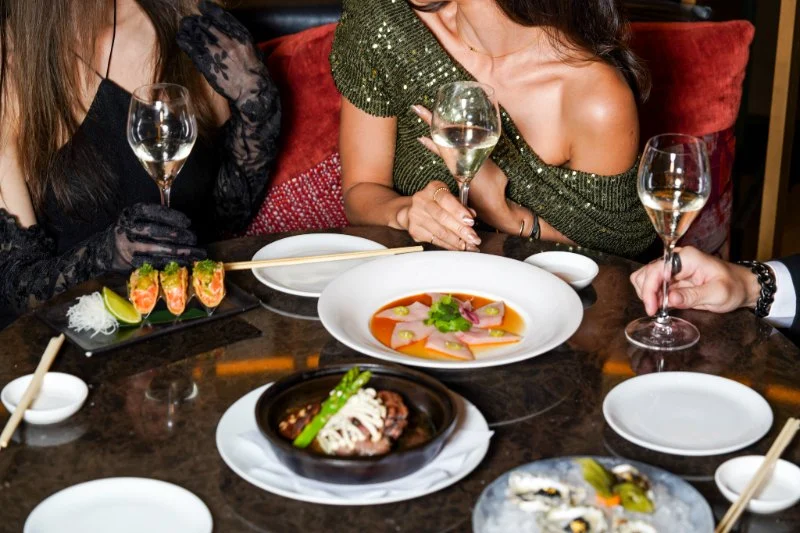
 How to Dress When Going to Japanese Restaurants: A Complete Guidehow to dress for Japanese restaurants, dining etiquette at Japanese restaurants, dress code for Japanese restaurants, what to wear to Japanese restaurants, Japanese restaurant attire, Japanese restaurant dress codeLearn how to dress when going to Japanese restaurants with this complete guide. Discover dining etiquette, dress codes, and tips for dressing appropriately for your next Japanese dining experience.
- 1. Understanding Japanese Restaurant Culture
- 2. Dress Code Guidelines for Japanese Restaurants
- 3. Appropriate Attire for Different Types of Japanese Restaurants
- 4. Common Mistakes to Avoid When Dressing for Japanese Restaurants
- 5. Dressing Tips for Enhancing Your Japanese Dining Experience
1. Understanding Japanese Restaurant Culture
When dining at Japanese restaurants, it’s important to consider the culture and traditions associated with these establishments. Japanese dining is often viewed as an art form, with a deep focus on respect, aesthetics, and ceremony. How you dress can be a subtle but important reflection of this cultural appreciation.
In Japan, dressing appropriately is a way to show respect for the food, the chefs, and the restaurant itself. While the dress code can vary depending on the type of restaurant, it's always a good idea to lean toward more refined attire, especially if you're dining in a formal setting. The right attire can make you feel more comfortable and allow you to fully enjoy the experience.
2. Dress Code Guidelines for Japanese Restaurants
In general, when dining at Japanese restaurants, you should aim for a clean, neat, and respectful appearance. Here are a few dress code guidelines to keep in mind:
2.1 Casual vs. Formal Restaurants
Casual Japanese restaurants, such as ramen shops, izakayas, or sushi conveyor belts, usually have a relaxed atmosphere, and the dress code can be more casual. However, even in casual settings, it’s important to avoid wearing overly casual or inappropriate clothing like athletic wear, dirty shoes, or overly revealing outfits.
For more formal dining experiences such as kaiseki (traditional multi-course meal) or fine sushi restaurants, it’s best to opt for smart-casual or business-casual attire. This means avoiding overly casual pieces like shorts, flip-flops, or graphic t-shirts. Instead, go for something like a neat button-up shirt, a simple blouse, or a modest dress paired with comfortable shoes.
2.2 Footwear Matters
Footwear is an important aspect of Japanese dining etiquette. At many traditional Japanese restaurants, especially in places like tatami rooms, guests are expected to remove their shoes before entering. For this reason, ensure your footwear is easy to remove and clean, such as loafers, flats, or low heels. Avoid sandals or shoes that are difficult to take off quickly.
2.3 Avoiding Overly Flashy or Loud Outfits
While personal style is important, it's advisable to avoid wearing overly flashy, loud, or distracting clothing to a Japanese restaurant. The emphasis in Japanese culture is on simplicity and subtlety. Choose outfits with clean lines, neutral colors, and minimal patterns to blend seamlessly with the restaurant’s elegant ambiance.
3. Appropriate Attire for Different Types of Japanese Restaurants
Not all Japanese restaurants have the same atmosphere or dining format, so it’s important to tailor your attire based on the type of restaurant you’re visiting. Here’s what to consider for different types of Japanese dining experiences:
3.1 Sushi Restaurants
In traditional sushi restaurants, especially those with a sushi counter or omakase experience, it’s recommended to wear smart-casual or business-casual attire. A simple blouse or button-up shirt paired with dress pants or a modest skirt is ideal. This shows respect for the artistry involved in sushi preparation while allowing you to feel comfortable during your meal.
3.2 Ramen and Casual Japanese Restaurants
Ramen shops and izakayas (Japanese pub-style eateries) typically have a much more relaxed vibe, allowing for more casual attire. Jeans and a t-shirt or sweater are appropriate, but still, avoid clothing that is too casual or unkempt. Comfortable and clean sneakers are often acceptable in these settings, but flip-flops or overly athletic wear should be avoided.
3.3 Kaiseki (Fine Dining)
For a kaiseki experience, where you are presented with a series of delicate and meticulously prepared dishes, formal attire is recommended. A well-tailored suit, a modest dress, or an elegant blouse paired with dress pants is ideal. This will ensure you look respectful while enjoying a refined and multi-course Japanese meal.
3.4 Teppanyaki and Hibachi Grills
Teppanyaki or hibachi grill restaurants are often more interactive and entertaining, but they still require a certain level of respect when it comes to your attire. Business-casual clothing works best here, as you may need to sit close to the grill or in a shared space. Avoid wearing items that could get dirty easily, such as loose-fitting sleeves or overly casual outfits like shorts.
4. Common Mistakes to Avoid When Dressing for Japanese Restaurants
While dressing for a Japanese restaurant may seem straightforward, there are common mistakes that people often make. Here are a few to keep in mind:
4.1 Overdressing
While it’s important to respect the setting, you don’t want to overdo it. Avoid wearing overly formal outfits like tuxedos or evening gowns unless you're attending an upscale private dinner event. Dressing too formally for casual settings might make you feel out of place and draw unnecessary attention.
4.2 Wearing Inappropriate Footwear
As mentioned earlier, footwear is crucial, especially in traditional settings. Avoid wearing shoes that are too difficult to remove, like boots or high heels that require extra effort. Always aim for shoes that are clean and easy to slip off, particularly in tatami-style rooms or places where shoe removal is required.
4.3 Ignoring Cultural Norms
In Japanese culture, it’s important to dress modestly and show respect for others. Avoid wearing too-revealing clothing or overly flashy accessories. Remember, the focus should be on the food and the dining experience, not on showing off your attire.
5. Dressing Tips for Enhancing Your Japanese Dining Experience
When you dress appropriately for a Japanese restaurant, you enhance your overall dining experience. Here are a few tips to help you make the most of your meal:
5.1 Choose Comfortable, Breathable Fabrics
Japanese cuisine often involves multiple courses, and meals can last for an extended period. Choose clothing made from comfortable, breathable fabrics like cotton, silk, or lightweight wool to ensure you remain comfortable throughout the meal.
5.2 Think About the Season
Depending on the season, the dress code may change. In the warmer months, lighter fabrics like linen or cotton are ideal, while in the colder months, you may want to layer with a smart jacket or sweater. Always be mindful of the climate to stay comfortable without sacrificing style.
5.3 Be Mindful of Your Personal Hygiene
Good hygiene is essential when dining out, especially in Japan, where personal grooming is highly valued. Ensure you are freshly showered, your clothes are clean, and your shoes are polished before heading to the restaurant. This simple step shows respect for both the dining environment and fellow guests.
For the best dining experiences and tips on how to dress for Japanese restaurants, visit [Japanese Restaurant]. We offer helpful guides and expert advice to enhance your Japanese food journey!
 Sushi Palace4.0 (346 reviews)
 Shiroi Sushi4.0 (213 reviews)
 Sushi Ota4.0 (2373 reviews)
 Yo-Kai Express3.0 (4 reviews)
 Curry Ya Japanese Tonkatsu Curry4.0 (183 reviews)
 RAKKAN Ramen - Houston Heights4.0 (1438 reviews)
 How Do You Say Hello in a Japanese Restaurant Setting?
 The Complete Guide to Dining at Sake Japanese Restaurant | Experience Authentic Japanese Cuisine
 What Makes Jinghe Japanese Restaurant Stand Out Among Japanese Restaurants
 What to Say When You Leave a Japanese Restaurant – Polite Phrases Explained
 The History and Flavor Behind Sarku Japanese Restaurant
 What to Say When You Leave a Japanese Restaurant – Etiquette and Phrases