
- 1 - understanding-gluten-in-japanese-cuisine
- 2 - hidden-gluten-sources-in-japanese-dishes
- 3 - safe-gluten-free-dishes-to-enjoy
- 4 - what-to-ask-at-a-japanese-restaurant
- 5 - real-experiences-from-gluten-free-diners
- 6 - discover-trusted-places-on-japanese-restaurant
1. Understanding Gluten in Japanese Cuisine
Japanese cuisine is often considered clean and healthy, but for those following a gluten-free lifestyle, it can still pose hidden risks. The key question—how to eat gluten free at Japanese restaurants—starts with understanding where gluten can lurk. Soy sauce, a staple seasoning in most dishes, is commonly brewed with wheat. Even rice-based items like sushi can include ingredients prepared with gluten-containing marinades or sauces. It’s crucial to recognize these subtle inclusions to dine safely.
2. Hidden Gluten Sources in Japanese Dishes
Gluten can be surprisingly pervasive in Japanese restaurant menus. Tempura batter, gyoza wrappers, ramen noodles (unless labeled gluten-free), and even some miso pastes contain wheat. A diner once assumed miso soup was safe—only to learn it was thickened with a barley-based paste. Teriyaki and ponzu sauces typically contain wheat-based soy sauce. Many pickles or pre-marinated items use hidden gluten binders. Recognizing that not everything “looks” unsafe is key to avoiding unintentional exposure.
3. Safe Gluten-Free Dishes to Enjoy
Despite the risks, many traditional Japanese foods are naturally gluten-free when prepared properly. Sashimi, plain steamed rice, tamagoyaki (Japanese omelet), grilled fish with only salt, and natto (fermented soybeans) are good examples. With tamari (a gluten-free soy sauce) now widely available, many restaurants can accommodate gluten-free diets if notified in advance. Some even offer certified gluten-free menus. One Tokyo restaurant proudly prepares soba noodles from 100% buckwheat—zero wheat fillers.
4. What to Ask at a Japanese Restaurant
Communication is vital. Before ordering, ask: “Is your soy sauce gluten-free?” or “Is this dish made with wheat or flour-based sauces?” Explain your dietary needs clearly—many chefs are willing to modify dishes if they understand your concern. A helpful tip is to carry a gluten-free dining card translated in Japanese, stating your restrictions. Many diners have found that even traditional spots are open to adjusting meals if approached politely and clearly.
5. Real Experiences from Gluten-Free Diners
Jenny, a Celiac traveler from the U.S., shared that one Kyoto chef created a custom bento box with grilled salmon, tofu, and vegetable salad—all gluten-free—after she explained her needs. “He even used separate utensils and plates,” she said. “It felt incredibly safe and thoughtful.” Her story reflects a growing trend: Japanese hospitality (omotenashi) often goes beyond expectations when respect and clear communication are offered.
6. Discover Trusted Places on Japanese Restaurant
If you want to explore more gluten-free friendly options or verify which Japanese restaurants prioritize dietary needs, Japanese Restaurant can help. It’s a curated space where you’ll find restaurants that not only serve authentic dishes but also understand gluten sensitivity. Whether it’s tamari-substituted sushi or gluten-free ramen, you’ll discover where to eat safely—without compromising flavor or culture.
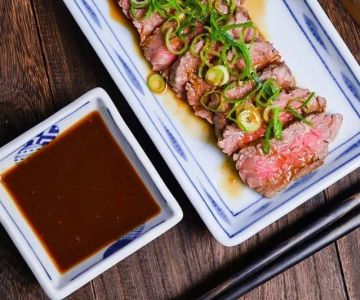
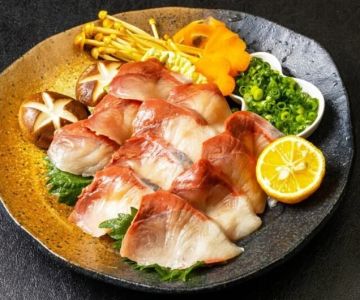
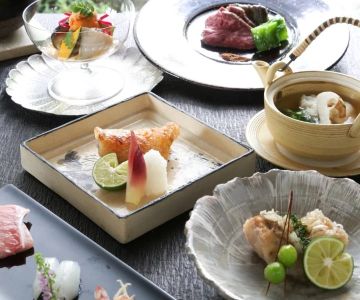
 OKA Sushi & Thai, Ramen4.0 (434 reviews)
 Gyu-kaku Japanese BBQ4.0 (1911 reviews)
 Tokyo Grill4.0 (872 reviews)
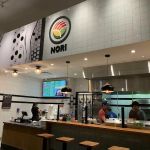 Nori Omaha4.0 (46 reviews)
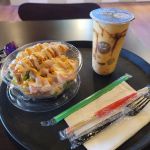 Nori Ramen & Poke bowl4.0 (326 reviews)
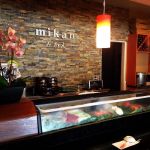 Mikan Japanese Restaurant4.0 (806 reviews)
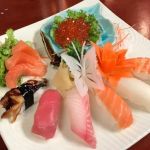 Why Locals Recommend Japanese Restaurant Bellevue – A Local Favorite
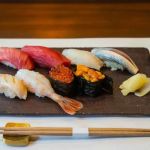 The History and Flavor Behind Sapporo Japanese Restaurant
 How to Sit on the Floor at a Japanese Restaurant: Etiquette & Comfort Tips
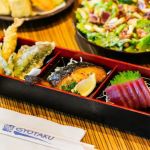 Exploring the Menu at Gyotaku Japanese Restaurant: A Culinary Journey
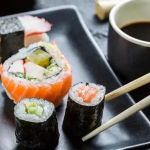 How to Say "How Many People" in a Japanese Restaurant
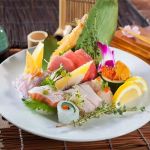 htmlCopy codeWhy Locals Recommend Izumi Japanese Restaurant