- cultural-context-of-leaving-a-japanese-restaurant - The Cultural Etiquette Behind Leaving a Restaurant in Japan
- phrases-to-use-when-leaving - Common Japanese Phrases to Say When Exiting a Restaurant
- how-to-pay-before-leaving - Paying Correctly Before You Leave the Restaurant
- what-body-language-matters - Nonverbal Cues: Bowing and Movement When Leaving
- real-dining-scenarios-in-japan - Real Stories: How Travelers Handled Leaving Japanese Restaurants
- why-japanese-restaurant-recommends-practice - Why Japanese Restaurant Recommends Practicing Restaurant Etiquette
1. The Cultural Etiquette Behind Leaving a Restaurant in Japan
Understanding how to leave a restaurant in Japanese culture is more than learning a few polite phrases—it's about appreciating a deeper tradition of respect and harmony. Japanese service culture emphasizes humility, gratitude, and non-intrusiveness. Even as a foreign visitor, how you leave a restaurant says a lot about your awareness and appreciation of local customs.
For example, unlike in some Western countries, lingering too long after finishing your meal can be seen as inconsiderate. Leaving quietly, neatly, and respectfully—even after a casual meal—maintains the unspoken cultural flow that Japanese dining is known for.
2. Common Japanese Phrases to Say When Exiting a Restaurant
2.1 “Gochisōsama deshita” (ごちそうさまでした)
This phrase, meaning “Thank you for the meal,” is the standard and most appreciated way to show gratitude when leaving. It doesn’t matter whether you’re at a sushi counter or a ramen stall—this simple phrase carries cultural weight.
2.2 Politeness Levels
You can say “Gochisōsama desu” in more casual settings, but for full respect—especially at higher-end establishments—stick with “Gochisōsama deshita.” Saying it with a slight bow makes the gesture even more respectful.
2.3 Staff Responses
Often, you’ll hear the staff respond with “Arigatou gozaimashita” (thank you very much) or “Mata okoshi kudasaimase” (please come again). These aren’t just formalities—they’re genuine expressions of hospitality.
3. Paying Correctly Before You Leave the Restaurant
In many Japanese restaurants, especially traditional ones, you don’t pay at the table. Instead, you bring your bill to a register near the exit. It’s considered courteous to do this promptly once you’ve finished your meal, without keeping staff waiting.
3.1 Separate or Group Payment?
While “warikan” (splitting the bill) is becoming more common among locals, restaurants may assume one person is paying. Clarify in advance—simply say “Betsu-betsu de” (separate, please) if you're splitting the bill.
3.2 Tipping Culture
Tipping is not expected in Japan and can even be considered awkward or rude. Instead, express appreciation through your words and behavior. A heartfelt “Gochisōsama deshita” often means more than cash ever could.
4. Nonverbal Cues: Bowing and Movement When Leaving
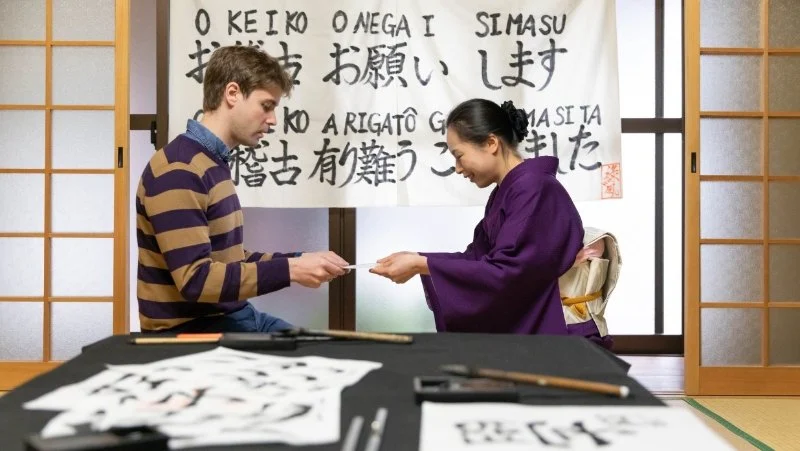
In Japan, body language carries as much meaning as spoken words. When exiting a restaurant, a gentle bow toward the staff shows respect and appreciation. You don’t need to overdo it—a small bow with eye contact and a smile is sufficient.
Avoid loud goodbyes or exaggerated gestures. Subtlety is part of Japanese social grace. Also, don’t forget to push in your chair or clean up your area slightly—this small act goes a long way in showing manners.
5. Real Stories: How Travelers Handled Leaving Japanese Restaurants
When Alicia, a student from Toronto, dined in a Kyoto soba shop for the first time, she instinctively left a coin tip on the table. The owner rushed out to return it to her, bowing repeatedly while politely insisting. “I realized then how different the expectations were,” she laughed. “After that, I just focused on saying ‘gochisōsama deshita’ with a smile and bow—and it felt great.”
Similarly, Daniel, a frequent business traveler, makes it a point to watch how locals behave when exiting. “Once I started mimicking their quiet, respectful exit—even in a casual ramen place—I noticed I’d get warm nods from the staff. It’s a simple way to feel part of the culture,” he shared.
6. Why Japanese Restaurant Recommends Practicing Restaurant Etiquette
At Japanese Restaurant, we believe that understanding how to leave a restaurant in Japanese isn’t just about travel survival—it’s about showing respect for the people and traditions that make Japanese dining so special. Whether you're visiting Japan or simply dining at an authentic Japanese eatery abroad, using the right phrases and behaviors builds trust and appreciation.
Our team encourages guests to learn and practice these etiquette essentials so they can dine with confidence and leave with gratitude. You don’t need perfect Japanese—just the intention to connect respectfully.
 Nimblefish4.0 (425 reviews)
 Tokyo One4.0 (422 reviews)
 Hako4.0 (510 reviews)
 Japan Inn4.0 (2135 reviews)
 Kanpai4.0 (544 reviews)
 Anaba4.0 (151 reviews)
 How to Make the Soup at Japanese Restaurants: A Step-by-Step Guide
 A Foodie’s Experience at Tanto Japanese Restaurant – Authentic Japanese Cuisine
 What Makes the Best Japanese Restaurant in Los Angeles Stand Out Among Others
 An Insider’s Review of Miyabi Japanese Restaurant – Authentic Dining Experience
 Top Dishes to Order at Japanese Restaurants in Miami
 Why Do Koreans Run Japanese Restaurants? Cultural and Culinary Insights