
- 1-understanding-menu-structure
- 2-ordering-process-step-by-step
- 3-tips-for-first-time-diners
- 4-cultural-etiquette-and-customs
- 5-recommendations-and-resources
1. Understanding Menu Structure at a Japanese Restaurant
When you step into a Japanese restaurant, the menu can seem daunting at first glance. Japanese menus are usually divided into several sections, such as appetizers (zensai), sushi and sashimi, grilled dishes (yakimono), simmered dishes (nimono), noodles (udon, soba), and rice dishes (donburi). Understanding this structure helps you navigate the menu with ease and confidence.
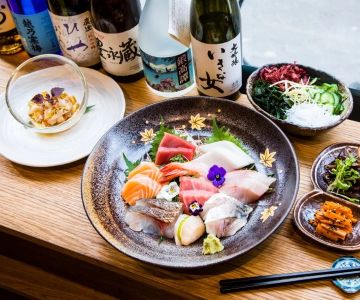
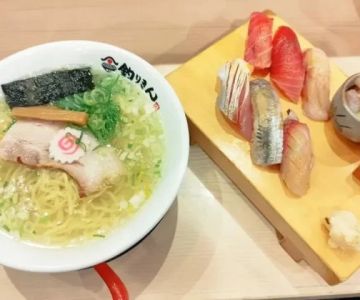
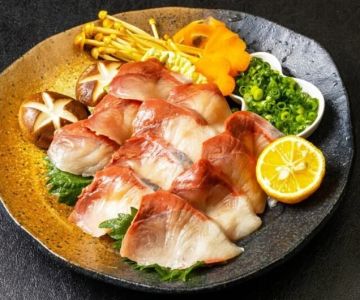
For example, sushi menus often list nigiri (fish slices over rice), maki (rolls), and specialty rolls. Sashimi sections showcase just the raw fish without rice, appealing to purists. Some restaurants also provide detailed descriptions or pictures, which can be very helpful for newcomers. If you’re unsure, don’t hesitate to ask for recommendations from the staff — many Japanese restaurants have knowledgeable servers eager to guide you through the ordering process.
1.1 The Role of Set Menus and Lunch Specials
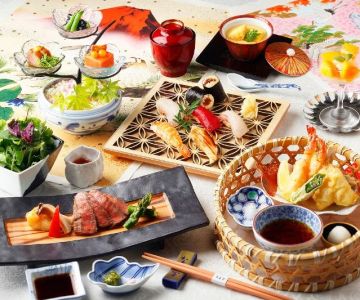
Many Japanese restaurants offer set menus or lunch specials (teishoku), which include multiple dishes like a main course, miso soup, rice, and pickles. These sets provide excellent value and a balanced introduction to Japanese cuisine. If you’re visiting a Japanese restaurant for the first time, ordering a set menu can simplify your choices and ensure a satisfying meal.
2. Ordering Process Step by Step
Knowing how to order at a Japanese restaurant doesn’t have to be stressful. Here is a step-by-step approach that helps you feel comfortable and enjoy the experience.
2.1 Greeting and Seating
Upon arrival, you’ll typically be greeted with “Irasshaimase” (Welcome). Wait to be seated and handed the menu. If you want a seat at the sushi bar or prefer a private table, mention this when you arrive or make a reservation in advance.
2.2 Choosing Your Dishes
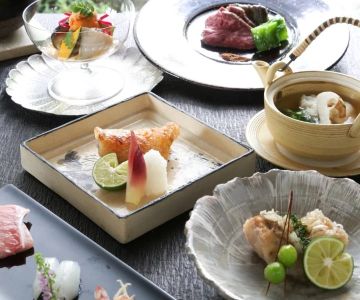
Start by selecting a few small dishes such as edamame (steamed soybeans) or miso soup. If you’re ordering sushi, try a combination of nigiri and rolls. Many restaurants allow you to order a “chef’s choice” set (omakase), which is a great way to sample fresh and seasonal items curated by the chef.
2.3 Placing Your Order
Once ready, signal the server by raising your hand slightly or saying “Sumimasen” (Excuse me). Speak clearly and order each dish, or point to the menu if you’re unsure about pronunciation. Don’t worry about making mistakes—most Japanese restaurants understand that many customers are non-native speakers and will assist you.
2.4 Drinks and Extras
Consider pairing your meal with traditional drinks like sake or green tea. These drinks enhance the flavors of Japanese cuisine and offer a more authentic dining experience. You can also ask about specials or seasonal dishes to make your meal even more special.
3. Tips for First-Time Diners at Japanese Restaurants
Ordering food in a Japanese restaurant is not just about picking dishes — it’s also about embracing the culture and traditions behind the food.
3.1 Be Open to Trying New Flavors
Many people hesitate when they see raw fish or unfamiliar dishes like natto (fermented soybeans). However, approaching your meal with curiosity can open up new taste experiences. For instance, sushi lovers often find they enjoy items beyond tuna and salmon, such as uni (sea urchin) or eel (unagi).
3.2 Portion Sizes and Sharing
Japanese meals are often designed to be shared, especially appetizers and side dishes. Ordering a variety of smaller dishes to share with your dining companions can enrich the experience. This communal style also helps in tasting a wider range of flavors without overordering.
3.3 Using Chopsticks Correctly
While many restaurants provide forks or spoons if requested, learning basic chopstick etiquette is appreciated. Avoid sticking chopsticks upright in rice or passing food directly from one set of chopsticks to another, as these mimic funeral customs in Japan.
4. Cultural Etiquette and Customs to Enhance Your Experience
Understanding the subtle etiquette of Japanese dining elevates your visit and shows respect for the culture.
4.1 The Importance of Politeness
Use polite phrases such as “Oishii” (delicious) to compliment the food or “Gochisosama deshita” after finishing your meal to thank the staff. Japanese restaurants value these expressions of gratitude.
4.2 Handling Soy Sauce and Wasabi
It’s customary to pour soy sauce into a small dish for dipping sushi, but avoid soaking the rice portion as it can fall apart. Wasabi is usually applied by the chef, but if you like extra, mix a small amount with soy sauce or add it lightly to each piece.
4.3 Paying the Bill
When finished, signal the server to bring the check by saying “Okaikei onegaishimasu.” In many Japanese restaurants, payment is made at the register rather than at the table. Tipping is not common practice in Japan, but some international locations may accept it.
5. Recommendations and Resources for Japanese Dining
If you want to explore the best Japanese restaurants and learn more about authentic ordering experiences, visiting the website Japanese Restaurant can provide tailored recommendations on the best places to dine, seasonal menu updates, and cultural tips.
For example, a friend of mine recently shared their story about visiting a Japanese restaurant for the first time. Initially overwhelmed by the menu, they used a set menu recommendation from Japanese Restaurant’s guide, which helped them discover their favorite dishes like tempura and chirashi sushi. This personal touch made the entire meal memorable and approachable.
Incorporating these tips and resources will surely help you feel confident and enjoy your next meal at a Japanese restaurant to the fullest.
 Sushi Para4.0 (1415 reviews)
 Momo Bento4.0 (56 reviews)
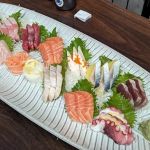 SUSHI KOYA4.0 (554 reviews)
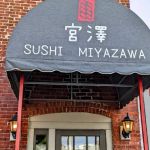 Sushi Miyazawa4.0 (460 reviews)
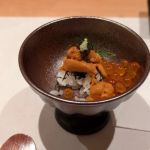 Naoki Sushi4.0 (108 reviews)
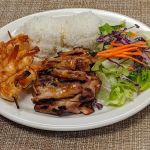 Soho Teriyaki(Kent)4.0 (233 reviews)
 How Do Japanese Restaurants Present Dessert – A Look into Culture and Craft
 The Complete Guide to Dining at Japanese Restaurants in Los Angeles
 Why Locals Recommend Japanese Restaurant Wasabi
 Discover the History and Flavor Behind Sake Japanese Restaurant
 Exploring the Menu at Orchid Japanese Restaurant: A Delicious Journey
 Do Japanese Restaurants Have Paper Menus?