
- 1-understanding-the-context-of-restaurant-employment-in-japan
- 2-how-to-say-restaurant-employee-in-japanese-correctly
- 3-role-specific-terms-used-in-japanese-restaurants
- 4-cultural-nuances-and-professional-etiquette
- 5-using-the-term-effectively-in-conversation-and-travel
1. Understanding the Context of Restaurant Employment in Japan
To fully grasp how to say “restaurant employee” in Japanese, it’s helpful to understand how hospitality roles function in Japanese culture. Service in Japan is known for being precise, respectful, and highly professional. Whether in a small ramen shop or an upscale sushi-ya, restaurant staff are trained to anticipate customer needs with humility and formality.
This cultural backdrop means that even job titles in restaurants carry nuance and hierarchy. An employee in this industry is often seen not just as a worker, but as a host or ambassador of omotenashi (おもてなし) — the spirit of selfless hospitality.
2. How to Say "Restaurant Employee" in Japanese Correctly
The most general and polite way to say “restaurant employee” in Japanese is レストランの従業員 (resutoran no juugyouin). Here's a breakdown:
- レストラン (resutoran) — "Restaurant"
- の (no) — possessive particle, meaning "of"
- 従業員 (juugyouin) — "employee"
So, レストランの従業員 literally means “employee of a restaurant.” This phrase is suitable for formal use, like in business conversations, job applications, or official contexts.
In more casual settings, especially if referring to a server or waiter, you might hear:
- 店員 (ten'in) — This means "shop staff" or "store clerk" but is commonly used for restaurant servers as well.
- ホールスタッフ (hooru sutaffu) — A more modern term borrowed from English, meaning "floor staff" (those who serve guests).
For kitchen workers, you may hear:
- 調理師 (chourishi) — Professional cook or chef
- 厨房スタッフ (chuubou sutaffu) — Kitchen staff
3. Role-Specific Terms Used in Japanese Restaurants
If you’re speaking specifically about different roles in a Japanese restaurant, being precise with your vocabulary shows cultural sensitivity. Here are a few commonly used job titles:
- 店長 (tenchou) — Store or restaurant manager
- ウェイター / ウェイトレス (weitea / weittoresu) — Borrowed from English, used in some western-style restaurants
- バイト (baito) — Shortened from "arubaito", a part-time employee. Frequently used for younger staff like students
For example, if you're dining at a traditional izakaya and want to compliment a part-time server, you could say:「このバイトさん、すごく丁寧ですね。」("This part-timer is really polite.")
4. Cultural Nuances and Professional Etiquette
In Japan, job titles often come with embedded social expectations. For example, even if someone is a part-time employee, they may be expected to bow, speak in keigo (honorific language), and use phrases like:
- いらっしゃいませ (Irasshaimase) — "Welcome!"
- 少々お待ちください (Shoushou omachi kudasai) — "Please wait a moment"
Using the correct term when referring to a “restaurant employee” isn’t just about vocabulary; it’s about acknowledging the respect embedded in that role within the Japanese service industry. This cultural awareness builds stronger connections, especially for travelers or professionals navigating work life in Japan.
5. Using the Term Effectively in Conversation and Travel
Whether you're traveling in Tokyo, working in Kyoto, or dining in Osaka, knowing how to reference “restaurant employee” in Japanese can enhance your communication. Imagine this scenario:
You’re at a bustling sushi bar in Sapporo and want to ask for assistance. A polite phrase could be:
「すみません、店員さん、もう一つお茶をお願いします。」
("Excuse me, server, could I please have another tea?")
And if you're studying hospitality or seeking employment in Japan’s food industry, using the proper title such as 従業員 on your resume or interview shows professionalism and readiness to engage in Japan’s service culture.
To learn more about Japanese service etiquette or to explore authentic restaurant experiences, visit Japanese Restaurant — a hub for cultural insight, curated services, and handpicked hospitality goods.
 MoMo Sushi4.0 (389 reviews)
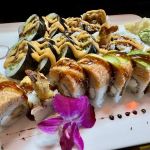 Sushi Club (Sushi All You Can Eat)4.0 (513 reviews)
 Joss Café & Sushi Bar4.0 (765 reviews)
 Kabuki Express New Albany4.0 (144 reviews)
 312 Fish Market4.0 (353 reviews)
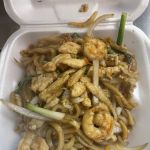 Osaka Japanese Express4.0 (61 reviews)
 How Do You Say Restaurants in Japanese? Language and Culture Guide
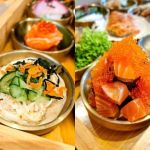 What Makes Sagami Japanese Restaurant Stand Out Among Japanese Restaurants
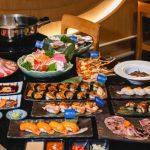 Exploring the Menu at Hiro Japanese Restaurant: A Culinary Journey
 Top Dishes You Should Order at Yamato Japanese Restaurant
 Why Umami Japanese Restaurant Is a Must-Try Spot for Japanese Food Lovers
 How to Make Sweet Carrots Like a Japanese Restaurant