
- why-thanking-in-japanese-matters
- common-ways-to-say-thank-you-in-a-japanese-restaurant
- when-and-how-to-use-these-phrases
- cultural-tips-for-japanese-restaurant-etiquette
- real-story-a-tourists-first-japanese-dining-experience
- learn-more-with-japanese-restaurant
1. Why Thanking in Japanese Matters
Dining in a Japanese restaurant is about more than just the food—it's an experience grounded in culture, respect, and hospitality. Knowing how to say thank you in a Japanese restaurant can deeply enhance your connection with the staff and elevate your overall experience. It shows appreciation for the service and a willingness to engage with the culture authentically.
2. Common Ways to Say Thank You in a Japanese Restaurant
2.1. Arigatou Gozaimasu (ありがとうございます)
This is the most standard and polite way to say "thank you." Whether you're thanking a server for bringing your meal or expressing gratitude as you leave, this phrase is always appropriate.
2.2. Gochisousama Deshita (ごちそうさまでした)
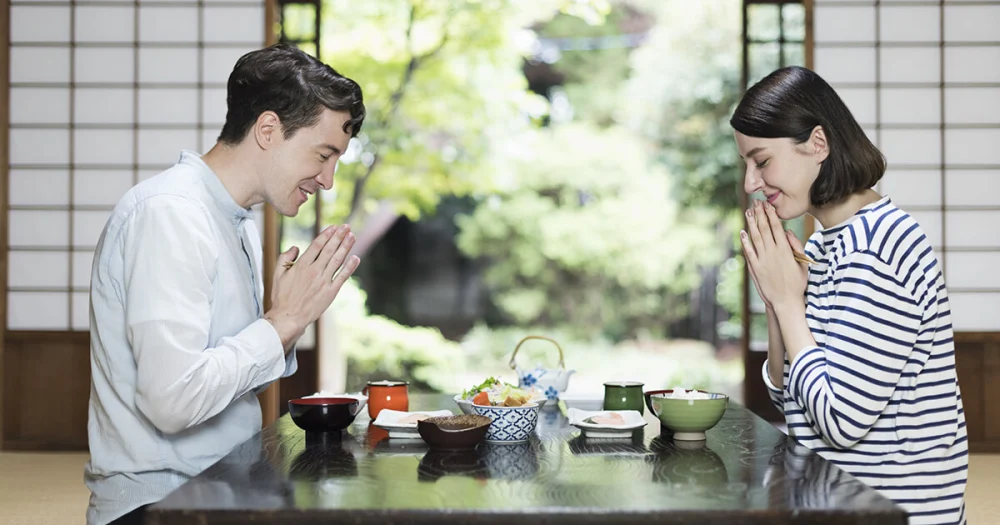
Said after a meal, this phrase means “thank you for the meal” and is a culturally rich expression of gratitude toward the chef and staff. It is highly appreciated, especially in traditional establishments.
2.3. Arigatou (ありがとう)
Less formal than “arigatou gozaimasu,” this version is suitable in casual dining settings or if you have developed a friendly rapport with the staff. Still, it's best used with some cultural awareness.
3. When and How to Use These Phrases
3.1. Upon Entering and Being Seated
Although saying “thank you” isn’t required when entering, if a staff member helps you with your coat or shows you to your seat, a polite "arigatou gozaimasu" is appropriate and welcomed.
3.2. During the Meal
If the staff goes out of their way—such as explaining a menu item in English or bringing a special request—it’s the perfect time to say "arigatou gozaimasu." A smile and a nod go a long way too.
3.3. After the Meal
As you leave, “gochisousama deshita” should be your go-to phrase. It’s the cultural equivalent of saying “that was delicious, thank you!” and often surprises staff in a delightful way when non-Japanese diners use it.
4. Cultural Tips for Japanese Restaurant Etiquette
4.1. Politeness is Paramount
Being polite is at the core of Japanese hospitality culture. Even if you mispronounce something slightly, your effort will be appreciated more than you know. Bowing slightly while saying thank you adds to the authenticity.
4.2. Don’t Tip—Say Thank You Instead
In Japanese restaurants, tipping is not customary and may even be refused. Expressing thanks verbally and respectfully is the cultural equivalent of leaving a generous tip.
5. Real Story: A Tourist’s First Japanese Dining Experience
Anna, a first-time visitor from Toronto, dined in a small sushi bar in Kyoto. After finishing her meal, she softly said, "Gochisousama deshita." The chef looked up, smiled, and bowed deeply. Later, she was served a complimentary piece of tamago sushi. It wasn’t about money—it was her effort to engage respectfully that left an impression.
These moments can create unforgettable memories. That’s the power of knowing how to say thank you in a Japanese restaurant—it's more than words; it's cultural respect in action.
6. Learn More with Japanese Restaurant
If you're looking to dine with greater confidence in authentic Japanese settings or want to find the best restaurants that appreciate cultural awareness, visit Japanese Restaurant for curated recommendations, dining guides, and cultural etiquette tips. Enhancing your culinary adventures starts with understanding the language of gratitude.
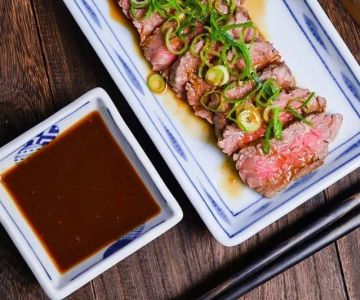
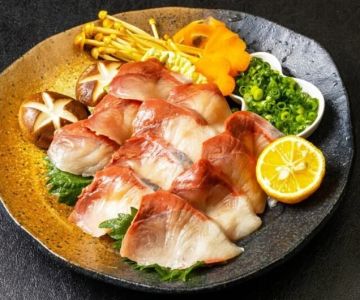
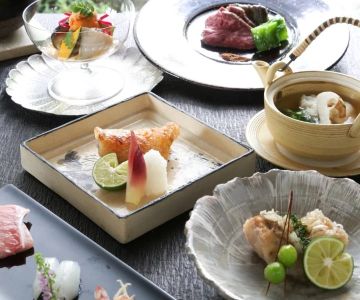
 Ginza Sushi Lounge4.0 (154 reviews)
 Fujiwara Omakase4.0 (12 reviews)
 Honto Teriyaki Restaurant4.0 (616 reviews)
 Mr KEKE4.0 (255 reviews)
 Ichiban Sushi4.0 (351 reviews)
 Chubby Salmon Hibachi and Sushi Bar4.0 (155 reviews)
 How to Say Thank You in a Japanese Restaurant – Phrases & Etiquette
 Why Japanese Restaurant Houston is a Must-Try Spot for Japanese Food Lovers
 A Foodie’s Experience at Yutaka Japanese Restaurant | Japanese Restaurant
 Exploring the Menu at Inaba Japanese Restaurant: A Culinary Journey
 Signature Sushi and Ramen at Haru Ichiban Japanese Restaurant – Best Japanese Dining Experience
 How Do Japanese Restaurants Make Spicy Mayo? Authentic Recipe and Tips