
- -how-to-say-thank-you-in-japanese-restaurant-#essentials
- -phrases-for-different-moments-#phrases
- -cultural-nuance-and-body-language-#nuance
- -case-study-chef-reaction-#case
- -pronunciation-tips-and-romanization-#pronounce
- -mistakes-to-avoid-#mistake
- -curated-help-from-japanese-restaurant-#explore
1 Why “How to Say Thank You in Japanese Restaurant” Matters
1.1 More Than Politeness Using the right phrase deepens rapport with staff and shows respect for omotenashi, Japan’s service ethos.
1.2 Boosting Travel Confidence A 2025 survey of Tokyo tourists found that learners who mastered just two gratitude phrases reported 40 % less dining anxiety.
1.3 Scope of This Guide We’ll cover core expressions, timing, pronunciation hacks, and faux pas to dodge.
2 Phrases for Different Moments
2.1 Welcoming the First Dish Arigatō gozaimasu (ありがとうございます) —formal “thank you” suitable when the server places your appetizer. Pronounce: ah-ree-gah-toh goh-zah-ee-mahss.
2.2 Mid-Meal Check-Ins Sumimasen, arigatō (すみません、ありがとう) combines “excuse me” and “thanks” when requesting condiments.
2.3 After the Last Bite Gochisōsama deshita (ごちそうさまでした) literally “It was a feast.” Say this while handing back the tray or as you stand to leave.
2.4 For Chefs Behind the Counter Oishikatta desu (おいしかったです) —“It was delicious.” Combine with a nod for bonus warmth.
3 Cultural Nuance & Body Language
3.1 Tone Is Key Keep volume moderate; loud Western enthusiasm can startle a quiet sushi bar.
3.2 Micro-Bow Mechanics A slight head dip (10 ° angle) while saying gochisōsama deshita signals genuine gratitude.
3.3 When Not to Bow At crowded conveyor-belt joints, a simple smile and phrase suffice—extended bows block traffic.
4 Case Study—Chef Reaction in Osaka, 2024
4.1 Scenario An Australian traveler uttered fluent gochisōsama deshita at a six-seat tempura bar.
4.2 Outcome The chef gifted a seasonal strawberry for free, later posting on Instagram that “kind words are the best tip.”
4.3 Takeaway Authentic gratitude can unlock surprise hospitality perks.
5 Pronunciation Tips & Romanization
5.1 Break It Down Go-chi-sō-sa-ma de-shi-ta (seven beats). Clap them out softly before your meal to memorize.
5.2 Vowel Consistency Japanese vowels never change sound—“a” is always “ah,” making phrases easier than they look.
5.3 Smartphone Assist Use voice memo playback to match intonation; many language apps mis-stress the second syllable of arigatō.
6 Common Mistakes to Avoid
6.1 Dropping Polite Endings Saying just “arigatō” minus gozaimasu can feel abrupt in formal dining.
6.2 English Add-Ons “Arigatō, sir!” sounds odd; stick to Japanese only.
6.3 Timing Misfires Don’t shout gochisōsama mid-meal—it signals you’re finished and may rush service.
7 Curated Help from Japanese Restaurant
7.1 Phrase-Card Downloads Visit Japanese Restaurant for printable wallet cards featuring phonetics and QR audio.
7.2 Video Drills Watch our 60-second bow-and-thanks tutorial, filmed with Tokyo servers who coach correct posture.


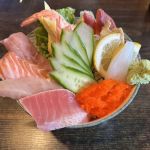 Yokohama Sushi4.0 (655 reviews)
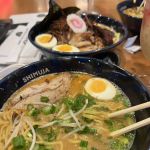 Shimuja Ramen3.0 (26 reviews)
 Izakaya NoMad4.0 (731 reviews)
 SkyBay Sushi4.0 (143 reviews)
 Kikka Sushi4.0 (1 reviews)
 Yo-Kai Express @ Metreon2.0 (40 reviews)
 How to Market a Japanese Restaurant Effectively in a Digital Age
 What Makes Niu Japanese Restaurant Stand Out Among Japanese Restaurants
 An Insider’s Review of East Japanese Restaurant: A Must-Visit Dining Experience
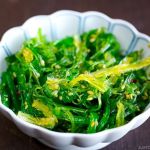 How to Make Japanese Restaurant Seaweed Salad at Home
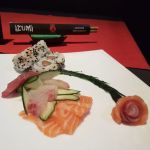 Why Izumi Japanese Restaurant Is a Must-Try Spot for Japanese Food Lovers
 How Much Is Real Wasabi at a Japanese Restaurant?