
- 1- Understanding Japanese Restaurant Seating Etiquette
- 2- What to Expect from Floor Seating in a Japanese Restaurant
- 3- How to Sit on the Floor Comfortably at a Japanese Restaurant
- 4- Common Mistakes to Avoid When Sitting on the Floor
- 5- The Cultural Significance of Floor Seating in Japan
- 6- Recommended Japanese Restaurants with Floor Seating
1- Understanding Japanese Restaurant Seating Etiquette
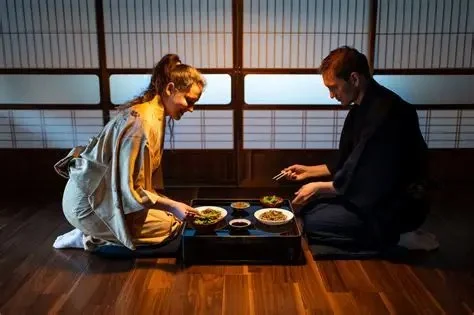
In many traditional Japanese restaurants, particularly those offering authentic dining experiences, floor seating is a common practice. This seating style involves sitting on tatami mats or low wooden platforms, which is a significant part of Japanese dining culture. Understanding how to sit properly and the etiquette surrounding this practice can help you feel more comfortable and immersed in the experience. Whether you're dining at a high-end Japanese restaurant or a cozy, family-owned eatery, it’s essential to follow proper seating etiquette to respect the culture and enjoy your meal.
2- What to Expect from Floor Seating in a Japanese Restaurant
In a traditional Japanese restaurant, floor seating is a unique feature that can surprise first-time diners. The seats are typically set up on tatami mats, which are woven straw mats commonly found in Japanese homes and restaurants. The floor seating area may include low wooden tables, often with cushions or blankets to provide comfort. Here’s what you can expect:
- Low Tables: The tables in these restaurants are typically very low, designed to allow diners to sit on the floor comfortably. Some restaurants may have special footrests or recessed floors where your legs can rest comfortably underneath.
- Seating Arrangement: The seating is usually arranged in a way that promotes a relaxed and communal atmosphere, where guests can sit side by side or in small groups.
- Traditional Atmosphere: These seating arrangements offer a traditional and immersive experience, allowing you to experience the full depth of Japanese culture and hospitality.
3- How to Sit on the Floor Comfortably at a Japanese Restaurant
Sitting on the floor for an extended period can be uncomfortable, especially if you're not used to it. However, with a few tips and tricks, you can sit gracefully and comfortably during your meal:
Posture
To maintain good posture, sit with your legs crossed comfortably in front of you. This is the traditional sitting position known as "seiza." However, it can be challenging for people who aren’t used to sitting this way for long periods. If you find "seiza" uncomfortable, feel free to sit with your legs folded to the side or in any other position that feels more natural while still maintaining respect for the tradition.
Use of Cushions
Many Japanese restaurants with floor seating will provide cushions or small blankets for added comfort. Place the cushion under your seat to provide extra padding and reduce pressure on your legs. You can adjust the cushion's position to help with comfort and avoid strain.
Stretching and Adjusting
Don’t be afraid to adjust your position throughout the meal to prevent stiffness. Small shifts in posture can make a big difference in staying comfortable. If the restaurant offers a recessed floor for legroom, use it to stretch out your legs without disturbing others around you.
4- Common Mistakes to Avoid When Sitting on the Floor
While sitting on the floor at a Japanese restaurant can be a wonderful experience, there are a few common mistakes that diners should avoid:
- Forcing Your Legs into an Uncomfortable Position: Don’t force yourself into the "seiza" position if it’s uncomfortable. Instead, find a position that works for you while respecting the space and etiquette of others.
- Sitting with Shoes On: In most traditional Japanese restaurants, it is customary to remove your shoes before entering the dining area. Always follow this etiquette to maintain cleanliness and respect for the space.
- Forgetting to Use the Provided Cushions: Some people might forget to use the provided cushions or blankets. These are there to make the seating experience more comfortable, so make sure to take advantage of them.
5- The Cultural Significance of Floor Seating in Japan
Floor seating in Japan is deeply embedded in the culture. It dates back centuries to when homes and restaurants were designed around tatami rooms, and sitting on the floor was the norm. In a Japanese restaurant, floor seating isn’t just about comfort—it’s also about fostering a connection between diners and the environment. Sitting on the floor encourages relaxation, mindfulness, and the appreciation of the meal and company. It’s also symbolic of humility and respect for the food and the space.
6- Real-life Examples of Natural Wrinkle Treatments
Many diners have shared stories about their first experiences with floor seating at Japanese restaurants. One common piece of advice is to avoid sitting too stiffly, as the relaxed nature of the meal encourages you to engage in comfortable conversations. Many people also appreciate the opportunity to disconnect from modern dining practices and immerse themselves in the tradition of Japanese hospitality.
7- Recommended Japanese Restaurants with Floor Seating
If you're looking to try the authentic experience of floor seating in a Japanese restaurant, check out the following places:
- Restaurant Name 1: Known for its traditional tatami rooms and exceptional sushi, this restaurant offers a true Japanese dining experience.
- Restaurant Name 2: Located in the heart of the city, this spot combines modern and traditional dining with floor seating for a unique experience.
For more recommendations and details on the best places to experience floor seating and other aspects of Japanese dining, visit Japanese Restaurant for expert advice and reservations!
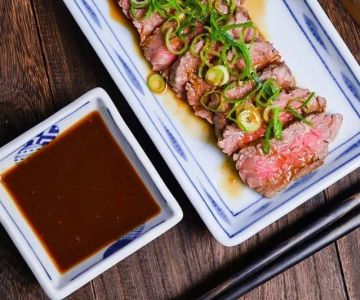
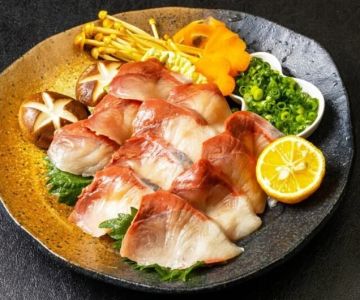
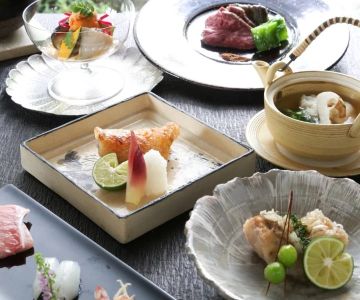
 Kusshi Rockville Town Square4.0 (159 reviews)
 The Hub Sakaki Izakaya Bar and Karaoke4.0 (161 reviews)
 Sakura4.0 (1253 reviews)
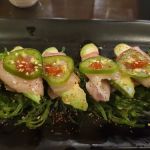 Tabu Sushi Bar & Grill4.0 (364 reviews)
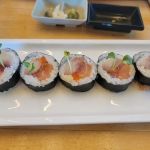 Kiku Sushi4.0 (452 reviews)
 Kui Shin Bo4.0 (802 reviews)
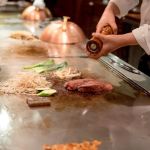 Top Dishes You Should Order at Yama Japanese Restaurant
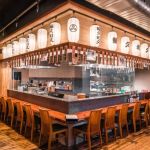 Choosing a Good Japanese Restaurant Name: Creative Ideas and Tips
 How to Greet in a Japanese Restaurant with Confidence and Respect
 The History and Flavor Behind Sapporo Japanese Restaurant
 How Much Is Kobe Japanese Restaurant? Menu, Pricing, and Dining Experience
 An Insider’s Review of Mikado Japanese Restaurant