
- 1-Benihana-Overview-and-Origin
- 3-Authenticity-and-Cultural-Elements-of-Benihana
- 4-Benihana-in-the-Context-of-Japanese-Restaurants
1. Benihana Overview and Origin
Benihana is widely recognized as a pioneer in popularizing Japanese teppanyaki cuisine outside of Japan. Founded in 1964 by Hiroaki Aoki, a Japanese-American entrepreneur, Benihana introduced diners to the theatrical experience of chefs preparing food on a large iron griddle right at the table. This unique dining style combines entertainment with culinary skills, captivating audiences and transforming the way Japanese cuisine is experienced internationally.
1.1 The Birth of Teppanyaki Dining
The word “teppanyaki” comes from “teppan,” meaning iron plate, and “yaki,” meaning grilled or pan-fried. At Benihana, chefs skillfully prepare meats, seafood, and vegetables on the teppan in front of guests, showcasing knife tricks, flame bursts, and engaging storytelling. This interactive approach sets Benihana apart from typical Japanese restaurants.
2. Cuisine Style and Menu at Benihana
Benihana’s menu features staples such as hibachi-grilled steak, shrimp, chicken, and lobster, alongside sushi and appetizers inspired by Japanese flavors. However, the menu has been adapted to suit a broad international audience, often blending Japanese techniques with Western preferences. This fusion approach has made Benihana popular globally but also raises questions about its classification as a traditional Japanese restaurant.
2.1 Fusion and Adaptation
While Benihana incorporates key Japanese ingredients and cooking methods, many dishes reflect American tastes and presentation styles. For example, sauces and portion sizes are tailored for Western diners, and the atmosphere is designed to entertain rather than emphasize strict culinary tradition.
3. Authenticity and Cultural Elements of Benihana
Is Benihana a Japanese restaurant in the authentic sense? The answer depends on how one defines authenticity. Benihana maintains several core Japanese culinary principles, such as fresh ingredients, skillful grilling, and respect for presentation. Yet, it deliberately enhances these elements with theatrical flair and an approachable menu.
3.1 The Blend of Tradition and Entertainment
Benihana exemplifies a fusion of genuine Japanese cooking techniques with Western dining expectations. It introduces many diners to Japanese cuisine who might not otherwise experience it, serving as a cultural bridge. However, purists may argue that Benihana represents an Americanized version of Japanese food rather than a traditional Japanese restaurant.
4. Benihana in the Context of Japanese Restaurants
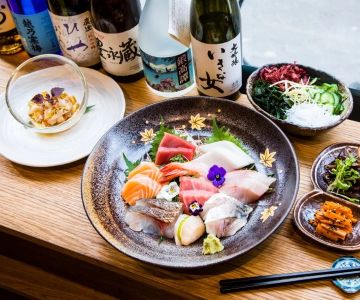
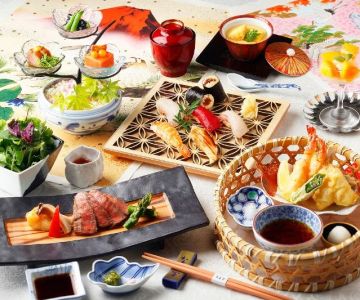
When considering is Benihana a Japanese restaurant, it’s important to place it within the diverse landscape of Japanese dining. From sushi bars and izakayas to kaiseki and ramen shops, Japanese cuisine offers a broad spectrum of experiences. Benihana fits into this spectrum as a teppanyaki-style restaurant that emphasizes interactive dining and entertainment.
4.1 Where to Find Traditional Japanese Dining Experiences
For those seeking more traditional Japanese dining experiences, Japanese Restaurant is a valuable resource to discover authentic eateries that focus on regional specialties, seasonal ingredients, and cultural customs.
4.2 Appreciating Benihana’s Unique Role
Benihana plays a unique role by making Japanese flavors accessible and enjoyable to a wide audience through its lively atmosphere and engaging service. It may not represent traditional Japanese dining in every aspect, but it undeniably contributes to global appreciation of Japanese cuisine.
 Matsuri Restaurant4.0 (363 reviews)
 Ichiban Bistro4.0 (224 reviews)
 Mori Sushi & Bento4.0 (568 reviews)
 ROLL SPOT sushi & desserts Tokyo Haus Sushi & Grill4.0 (89 reviews)
 Ai-Sakae Asian Cuisine4.0 (189 reviews)
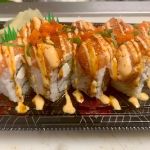 Oshiki Japan (Quail Springs Mall)3.0 (43 reviews)
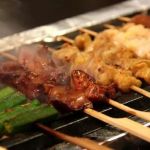 Why Locals Recommend Asaka Japanese Restaurant
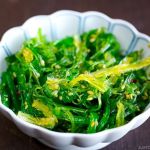 How to Make Japanese Restaurant Seaweed Salad at Home
 How to Eat Octopus in a Japanese Restaurant Like a Local
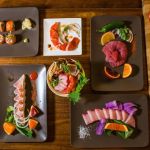 Top Dishes You Should Order at Hiro Japanese Restaurant
 Why Locals Recommend Sarku Japanese Restaurant | Japanese Restaurant
 What Makes Yellowtail Japanese Restaurant Stand Out Among Japanese Restaurants