
- 1-Is-It-Safe-To-Eat-Salmon-Sashimi-At-Japanese-Restaurants-Overview
- 2-Understanding-Salmon-Sashimi-And-Its-Preparation
- 3-Safety-Standards-And-Regulations-In-Japanese-Restaurants
- 4-Tips-For-Enjoying-Salmon-Sashimi-Safely
- 5-Why-Choose-Reliable-Japanese-Restaurants-For-Salmon-Sashimi
1. Is It Safe to Eat Salmon Sashimi at Japanese Restaurants? Overview
One of the most common questions sushi lovers ask is whether it is safe to eat salmon sashimi at Japanese restaurants. Salmon sashimi, prized for its delicate texture and rich flavor, is a staple in Japanese cuisine. However, because it is served raw, many wonder about the potential risks involved. The good news is that when sourced and prepared properly, salmon sashimi is generally safe to consume at reputable Japanese restaurants.
This article explores the factors that influence the safety of salmon sashimi, including sourcing, preparation techniques, and restaurant hygiene standards, helping you enjoy this delicacy with confidence.
2. Understanding Salmon Sashimi and Its Preparation
2.1 What is Salmon Sashimi?
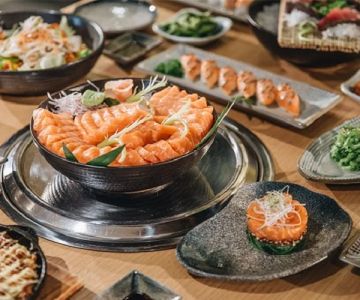
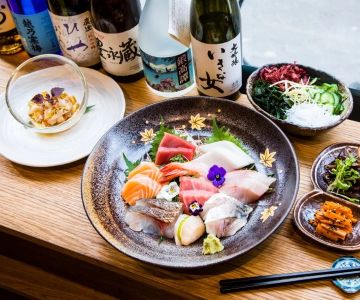
Salmon sashimi consists of thinly sliced raw salmon, served fresh without rice. It highlights the pure flavor and smooth texture of high-quality salmon. The freshness of the fish is crucial, as it directly impacts both taste and safety.
2.2 Freezing and Handling Protocols
To minimize health risks such as parasites, most Japanese restaurants adhere to strict freezing protocols. Salmon intended for raw consumption is typically frozen at very low temperatures to kill any parasites, making it safe to eat. Proper handling from the supplier to the kitchen also ensures the salmon remains uncontaminated and fresh.
3. Safety Standards and Regulations in Japanese Restaurants
3.1 Regulatory Compliance
Reputable Japanese restaurants comply with local and international food safety regulations that mandate strict guidelines for serving raw fish. These include temperature control, sourcing from trusted suppliers, and rigorous sanitation practices.
3.2 Chef Expertise and Training
Experienced sushi chefs undergo extensive training in hygiene and fish preparation. Their skill in selecting the freshest fish and preparing it safely plays a vital role in reducing health risks.
4. Tips for Enjoying Salmon Sashimi Safely
4.1 Choose Established and Well-Reviewed Restaurants
When considering whether it is safe to eat salmon sashimi at Japanese restaurants, opting for places with strong reputations and positive reviews is key. These establishments are more likely to follow strict safety and quality standards.
4.2 Ask Questions if Unsure
Don’t hesitate to inquire about the source of the salmon or the restaurant’s handling practices. Transparent restaurants welcome such questions as part of their commitment to customer safety.
4.3 Avoid Raw Fish If You Have Health Concerns
People with weakened immune systems, pregnant women, or those with specific health conditions should consult a healthcare professional before consuming raw seafood.
5. Why Choose Reliable Japanese Restaurants for Salmon Sashimi
For the safest and most enjoyable experience, visiting a trusted Japanese restaurant is essential. Platforms like Japanese Restaurant can help you find establishments renowned for their quality and safety standards. By selecting restaurants with verified supplier sources and skilled chefs, you ensure your salmon sashimi experience is both delicious and safe.
Ultimately, understanding how salmon sashimi is prepared and choosing your dining spots carefully will allow you to relish this Japanese delicacy without worry.
 Osaki Japanese Restaurant3.0 (252 reviews)
 Miyako Ramen Spot Japanese Restaurant4.0 (780 reviews)
 3Ninja Express4.0 (183 reviews)
 Poke Bowl Station4.0 (198 reviews)
 Umaido4.0 (2075 reviews)
 Sushi Republic4.0 (1003 reviews)
 Why Kimono Japanese Restaurant is a Must-Try Spot for Japanese Food Lovers
 How Many Japanese Restaurants Are in America? A Look at U.S. Japanese Cuisine Growth
 A Foodie’s Experience at Hatsuhana Japanese Restaurant
 Signature Sushi and Ramen at A1 Japanese Restaurant
 Do Japanese Restaurants Have Maître d’s? Exploring Service Culture and Hospitality
 Why Locals Recommend Fujiyama Japanese Restaurant: A Dining Experience Like No Other