
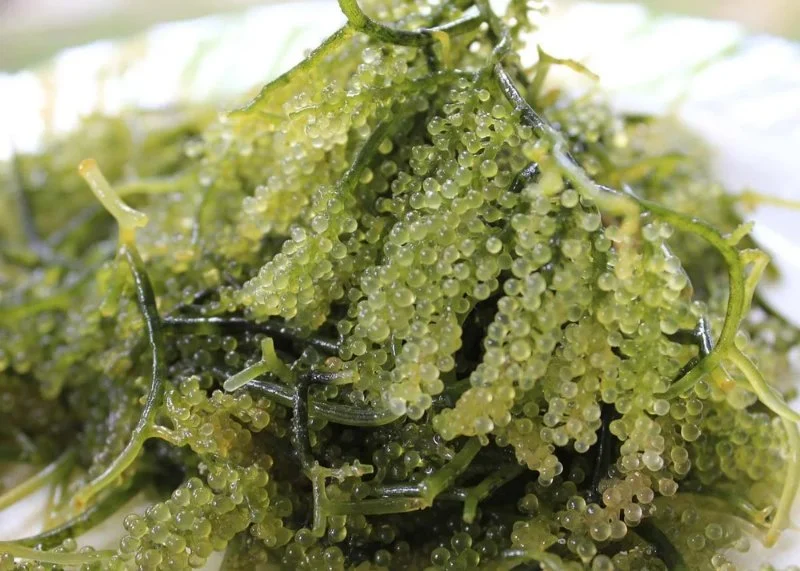
- Understanding the Importance of Seaweed in Japanese Cuisine
- Wild vs. Farmed Seaweed: What’s the Difference?
- Is Seaweed in Japanese Restaurants Wild or Farmed?
- Benefits and Challenges of Wild Seaweed
- Why Farmed Seaweed is Gaining Popularity
- Where to Find the Best Seaweed Dishes in Japanese Restaurants
Understanding the Importance of Seaweed in Japanese Cuisine
Seaweed is a key ingredient in Japanese cuisine, often used in dishes like sushi, salads, and soups. Its versatility and nutritional benefits make it a staple in many traditional Japanese meals. Rich in vitamins, minerals, and antioxidants, seaweed offers a wide range of health benefits, from promoting heart health to supporting digestion.
There are various types of seaweed used in Japanese cooking, including nori, wakame, kombu, and dulse. Each type brings a distinct flavor, texture, and nutritional profile to dishes. However, the sourcing of seaweed has raised questions, particularly when it comes to whether the seaweed found in Japanese restaurants is wild-caught or farmed. This distinction is important for both environmental and culinary reasons.
Wild vs. Farmed Seaweed: What’s the Difference?
The difference between wild and farmed seaweed is primarily in how it’s harvested. Wild seaweed is harvested from the ocean, growing naturally on rocks and other surfaces in the wild. Farmed seaweed, on the other hand, is cultivated in controlled environments in the sea or on land-based farms. Both types of seaweed have their benefits and drawbacks, which can affect their taste, texture, and environmental impact.
Wild Seaweed
Wild seaweed is naturally sourced and tends to have a stronger, more diverse flavor profile. Since it grows in the open ocean, it may be exposed to various marine environments, which can influence its taste and texture. Wild seaweed also tends to be more sustainable in certain regions, as it doesn't require the use of fertilizers or other chemicals.
Farmed Seaweed
Farmed seaweed is grown in controlled environments, often on farms located in shallow waters. This type of seaweed is typically more abundant and easier to harvest on a large scale. Farmed seaweed can be more consistent in texture and flavor, as it is cultivated in predictable conditions. However, farming practices may involve the use of chemicals or fertilizers, which can affect the environment if not managed properly.
Is Seaweed in Japanese Restaurants Wild or Farmed?
When you dine at a Japanese restaurant, you may wonder if the seaweed used in dishes like sushi rolls or miso soup is wild or farmed. The answer is that both wild and farmed seaweed are used in Japanese restaurants, depending on factors such as the dish, location, and restaurant’s sourcing practices.
In traditional Japanese cuisine, especially in Japan, wild-caught seaweed is often preferred for its natural flavors and texture. Nori, the seaweed used to wrap sushi rolls, is sometimes wild-harvested, though much of it is farmed due to the high demand and the need for consistency in quality.
In the case of kombu (used in dashi broth), farmed kombu is more commonly used in modern Japanese restaurants, as it provides a consistent flavor and texture. Wakame, often served in soups or salads, is frequently farmed due to its rapid growth in controlled environments.
Ultimately, whether the seaweed is wild or farmed depends on the restaurant’s sourcing policies, environmental concerns, and the dish being prepared. Many restaurants aim to use sustainable sources, so it’s always worth asking the restaurant about their specific practices if you’re curious.
Benefits and Challenges of Wild Seaweed
Wild seaweed offers several benefits, especially in terms of flavor and sustainability. Because it grows naturally, wild seaweed tends to have a more varied and robust taste. It also provides a more authentic experience, especially in traditional Japanese dishes. In terms of environmental impact, wild seaweed harvesting can be less resource-intensive than farming, as it does not require the same level of infrastructure or artificial inputs.
However, there are challenges associated with wild seaweed harvesting. Overfishing, pollution, and climate change can affect the availability and quality of wild seaweed. Additionally, harvesting wild seaweed can be more unpredictable, with fluctuations in supply and quality due to environmental factors.
Why Farmed Seaweed is Gaining Popularity
Farmed seaweed has become increasingly popular in recent years due to its consistent supply and ability to meet the growing demand for seaweed in global markets. Farming practices have improved significantly, and many seaweed farms are adopting sustainable methods that minimize environmental impact. For instance, some farms use no chemicals or fertilizers, and seaweed farming itself can have positive effects on marine ecosystems, such as absorbing excess nutrients and improving water quality.
Farmed seaweed also allows for more control over its quality and taste, making it easier for restaurants to maintain a consistent product. As sustainability becomes a bigger focus in the food industry, farmed seaweed is often seen as a more reliable and eco-friendly choice, especially when compared to unsustainable wild harvesting practices.
Where to Find the Best Seaweed Dishes in Japanese Restaurants
If you’re interested in enjoying seaweed in its most authentic form, consider visiting a Japanese restaurant that specializes in using high-quality ingredients. Many restaurants, such as those listed on Japanese Restaurant, prioritize sourcing sustainable and delicious seaweed for their dishes. Whether you’re enjoying a classic sushi roll, a warm bowl of miso soup, or a fresh seaweed salad, knowing where your ingredients come from can enhance your dining experience.
For a unique experience, try restaurants that feature dishes made with both wild and farmed seaweed. This way, you can appreciate the differences in flavor and texture and explore how chefs use each type to create different culinary experiences. If you’re looking for the freshest seaweed options, be sure to check out local Japanese markets and specialty stores as well.
 HinoMaru Ramen4.0 (1092 reviews)
 Kikku Japanese Food (Downtown)4.0 (555 reviews)
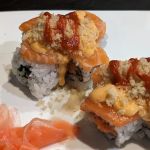 Miracle Sushi & Modern Asian Cuisine4.0 (334 reviews)
 Slurping Turtle4.0 (2005 reviews)
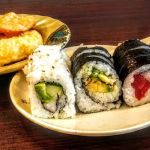 Lucky Key & Fuji Ya3.0 (1149 reviews)
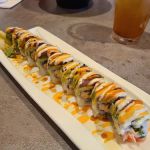 Saikou Sushi & Ramen4.0 (871 reviews)
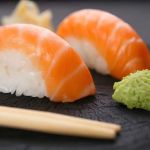 How Much Is Real Wasabi at a Japanese Restaurant?
 Why Locals Recommend Good Japanese Restaurants in NYC
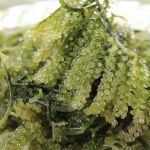 Is Seaweed in Japanese Restaurants Wild or Farmed? What You Need to Know
 A-Won Japanese Restaurant: A Deep Dive Into Authentic Dining Experience
 What is a Japanese Restaurant? Discover Popular Dishes and History
 Top Dishes You Should Order at Ebisu Japanese Restaurant