

What to Expect When Dining at Tataki Japanese Restaurant
The complete guide to dining at Tataki Japanese Restaurant begins with understanding what sets this type of Japanese dining apart. Tataki-style cuisine focuses on precision, freshness, and balance, offering diners a refined yet approachable experience. For U.S. guests, Tataki Japanese Restaurant often feels like a bridge between traditional Japanese techniques and modern dining expectations.
Rather than overwhelming guests with an oversized menu, Tataki emphasizes quality and intention. Each section of the menu reflects careful planning, making the dining experience feel curated instead of rushed.
The Core Idea Behind Tataki Japanese Restaurant
1. Respect for Ingredients
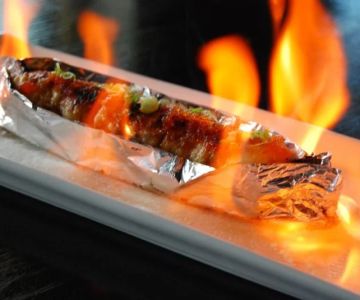
Tataki cuisine is known for lightly searing proteins while preserving their natural flavor and texture. This philosophy carries through the restaurant’s identity. Ingredients are treated with respect, and preparation techniques aim to highlight freshness rather than mask it.
2. A Balance of Tradition and Modern Taste
Tataki Japanese Restaurant often appeals to diners who want something more refined than casual sushi but less formal than high-end omakase. This middle ground is intentional, creating a space where both seasoned Japanese food lovers and newcomers feel comfortable.
Menu Highlights That Define the Experience
1. Tataki-Style Proteins
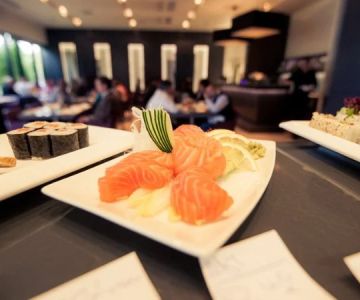
Lightly seared fish or beef dishes are usually the centerpiece of the menu. These items showcase clean flavors, subtle seasoning, and careful slicing. The contrast between the seared exterior and tender interior is what gives tataki its signature appeal.
2. Supporting Dishes That Add Depth
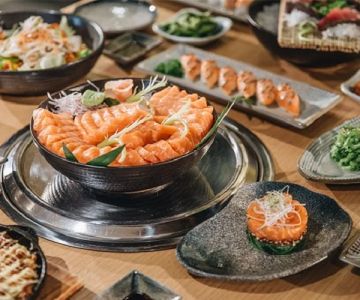
Beyond tataki, the menu often includes small plates, rice dishes, and seasonal sides. These options are designed to complement the main dishes rather than compete with them. Many diners appreciate how the menu encourages sharing and tasting multiple items.
3. Sauces and Garnishes With Purpose
Sauces are typically light and balanced, enhancing rather than overpowering the protein. Citrus, soy-based reductions, and fresh aromatics are commonly used to add brightness and depth.
Atmosphere and Service That Shape the Meal
1. A Calm and Focused Dining Space
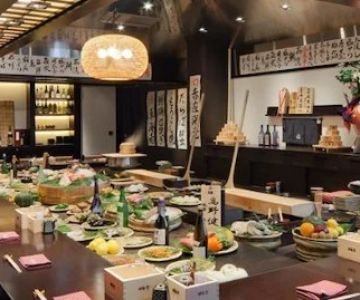
Tataki Japanese Restaurant usually features a clean, understated interior. This design choice reflects the food philosophy, allowing diners to focus on flavor and presentation. The environment often feels relaxed yet intentional.
2. Knowledgeable and Attentive Service
Servers are typically trained to explain preparation styles and flavor profiles, which builds trust with guests. This guidance is especially helpful for diners unfamiliar with tataki-style dishes.
Real Experiences That Build Trust
1. First-Time Tataki Diners Becoming Regulars
Many online reviews describe a first visit driven by curiosity and followed by repeat visits. Guests often mention how the clarity of flavors changed their expectations of Japanese cuisine.
2. Social Media Moments That Spark Interest
Short videos showcasing the searing process or plating of tataki dishes have gained attention online. These moments highlight craftsmanship rather than spectacle, reinforcing the restaurant’s focus on technique.
How Experienced Diners Approach the Menu
1. Starting With Lighter Dishes
Regular guests often recommend beginning with lighter tataki dishes or small plates to appreciate the subtle flavors before moving to heartier options.
2. Trusting Seasonal Recommendations
Seasonal menu items usually reflect ingredient availability and chef creativity. Paying attention to these selections often leads to the most memorable dishes. Many diners consult resources like Japanese Restaurant to learn which items are currently popular or highly rated.
Tips for a More Enjoyable Dining Experience
1. Dining With Curiosity
Approaching the meal with an open mindset enhances the experience. Tataki cuisine rewards attention to texture, temperature, and balance.
2. Asking Questions and Sharing Dishes
Sharing plates allows diners to explore more of the menu without overordering. Asking servers for pairing or portion advice often leads to a smoother experience.
3. Letting the Meal Unfold Naturally
Rather than rushing, allowing time between dishes helps highlight the thoughtful pacing of the menu. This approach turns a simple dinner into a complete dining journey.

 Kikka Sushi4.0 (1 reviews)
 Little Tokyo Restaurant4.0 (481 reviews)
 Four Seasons Sushi Bar & Grill4.0 (480 reviews)
 Ai Sushi4.0 (47 reviews)
 Ninja Steakhouse & Sushi4.0 (571 reviews)
 Kichi Omakase4.0 (182 reviews)
 The Complete Guide to Dining at Suteishi Japanese Restaurant
 A Foodie’s Experience at Asaka Japanese Restaurant: A Journey of Flavor
 The Complete Guide to Dining at Orchid Japanese Restaurant
 How to Sit on the Floor at a Japanese Restaurant: A Complete Guide
 An Insider’s Review of Japanese Restaurant Orlando – Best Dining Experience
 Top Dishes You Should Order at Hanaoka Japanese Restaurant