
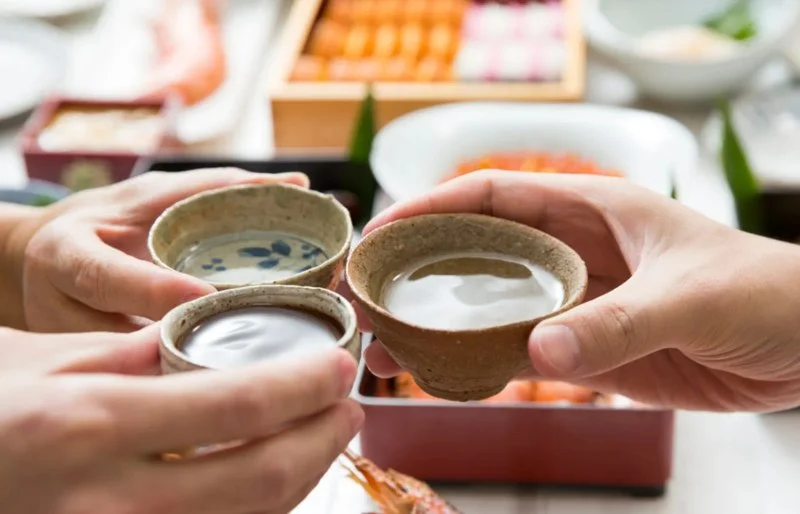
The History and Flavor Behind Sake at Japanese Restaurants
- What is Sake?
- The History of Sake
- The Flavor Profile of Sake
- Different Types of Sake
- Enjoying Sake in Japanese Restaurants
- Real-Life Sake Experience at Japanese Restaurants
What is Sake?
Sake is a traditional Japanese alcoholic beverage made from fermented rice. Often referred to as "rice wine," sake is brewed through a process that involves fermenting polished rice with the help of yeast and mold, creating a distinctive drink that has become a staple in Japanese culture. While sake is commonly served at Japanese restaurants, it has a rich history and a wide array of styles that make it a fascinating and versatile drink.
The Role of Sake in Japanese Culture
Sake is deeply ingrained in Japanese culture, often associated with rituals, celebrations, and social gatherings. Whether it's served during New Year’s festivities, at weddings, or during a casual meal, sake holds significant cultural importance. It’s often seen as a symbol of respect and hospitality, with specific rules governing its serving and drinking.
The History of Sake
The origins of sake trace back over a thousand years, to the Nara period (710–794), where early versions of sake were produced for religious ceremonies and imperial courts. Over time, brewing techniques were refined, and sake became more widely available to the public.
Ancient Beginnings: From Rice to Alcohol
Sake’s history is rooted in the fermentation of rice, a practice that dates back to ancient China. In Japan, early sake was likely brewed by fermentation, where rice and water were left to ferment naturally with the help of wild yeast. This early sake was unfiltered, cloudy, and quite different from the clear, refined sake we know today.
The Evolution of Brewing Techniques
By the 8th century, sake brewing techniques had evolved, thanks to the influence of Buddhist monks and the development of a more consistent fermentation process. The advent of polished rice in the 14th century marked a major turning point, allowing for the creation of smoother, clearer sake. By the 17th century, sake had become a widely consumed drink, and many regional breweries started to emerge, each with its own unique style and flavor profile.
The Flavor Profile of Sake
The flavor of sake is a key aspect of its appeal. Its taste can range from light and sweet to rich and dry, with distinct aromas that reflect the variety of ingredients and brewing methods used. The three primary elements that define sake’s flavor are the type of rice, the brewing method, and the water used in production.
Sweet vs. Dry
Just like wine, sake can be classified into sweet and dry categories. Sweet sake tends to have a fruity, floral flavor, while dry sake offers a cleaner, crisper finish. The level of sweetness or dryness is determined by the amount of residual sugar left after fermentation. Dry sake pairs well with savory dishes, while sweeter sakes can complement dessert or lighter fare.
Aromas and Notes
Sake’s aroma can also vary widely, depending on the brewing process and rice variety. Some sakes offer delicate floral or fruity notes, while others have more earthy or nutty characteristics. The balance between aroma and taste is one of the most important factors in determining the quality and overall experience of sake.
Different Types of Sake
There are several types of sake, each offering different tastes and experiences. While there are many varieties, the most common types include:
1. Junmai
Junmai is a pure sake made from rice, water, yeast, and koji (a mold used to ferment the rice). It’s typically fuller-bodied and has a rich, umami flavor. This style is often unpolished and offers a more robust and earthy taste, making it a favorite for food pairings.
2. Ginjo
Ginjo sake is made with highly polished rice, resulting in a cleaner, lighter flavor. It often has a fruity or floral aroma and is more refined than junmai sake. Ginjo is an excellent choice for pairing with seafood or delicate dishes.
3. Daiginjo
Daiginjo is an even more refined version of ginjo, with the rice polished to 50% or less of its original size. This results in a very clean, delicate, and often complex flavor. Daiginjo sake is considered premium and is typically served at special occasions or fine-dining restaurants.
4. Nigori
Nigori sake is a cloudy sake that is only partially filtered, giving it a creamy texture and sweet flavor. It’s often sweeter and thicker than other types of sake, making it a unique option for dessert or sweeter dishes.
Enjoying Sake in Japanese Restaurants
Sake is often paired with food in Japanese restaurants, enhancing the dining experience. The right sake can elevate the flavors of the dishes, making it an essential part of many meals. When ordering sake, it’s important to consider the dish you’ll be enjoying alongside it.
Pairing Sake with Food
Sake can complement a wide variety of Japanese foods. For instance, lighter sakes such as Ginjo pair well with sushi and sashimi, while fuller-bodied sakes like Junmai are ideal with grilled meats or hearty dishes like ramen. Nigori sake’s sweetness makes it an excellent choice for pairing with rich or savory dishes, such as tempura or teriyaki.
Sake Etiquette
In Japan, sake is traditionally served by one person to another, as a sign of respect and camaraderie. It’s important to pour sake for others and wait for them to pour yours. This custom promotes a sense of connection and friendship and is an essential aspect of the sake-drinking experience in Japanese restaurants.
Real-Life Sake Experience at Japanese Restaurants
Many people recall their first experience of enjoying sake in a Japanese restaurant as an unforgettable moment. For example, a diner at a high-end sushi restaurant in Tokyo shared that their experience of pairing a Daiginjo sake with freshly prepared sushi was nothing short of magical. The delicate, clean notes of the sake perfectly complemented the freshness of the fish, creating a harmonious balance of flavors. Stories like this illustrate how sake can enhance a dining experience and make it truly special.
If you’re looking to explore the world of sake and enjoy an authentic Japanese dining experience, visit Japanese Restaurant for expert recommendations on the best sake, food pairings, and the finest Japanese culinary experiences.
 Kikka Sushi4.0 (1 reviews)
 Little Tokyo Restaurant4.0 (481 reviews)
 Four Seasons Sushi Bar & Grill4.0 (480 reviews)
 Ai Sushi4.0 (47 reviews)
 Ninja Steakhouse & Sushi4.0 (571 reviews)
 Kichi Omakase4.0 (182 reviews)
 The Complete Guide to Dining at Suteishi Japanese Restaurant
 A Foodie’s Experience at Asaka Japanese Restaurant: A Journey of Flavor
 The Complete Guide to Dining at Orchid Japanese Restaurant
 How to Sit on the Floor at a Japanese Restaurant: A Complete Guide
 An Insider’s Review of Japanese Restaurant Orlando – Best Dining Experience
 Top Dishes You Should Order at Hanaoka Japanese Restaurant