
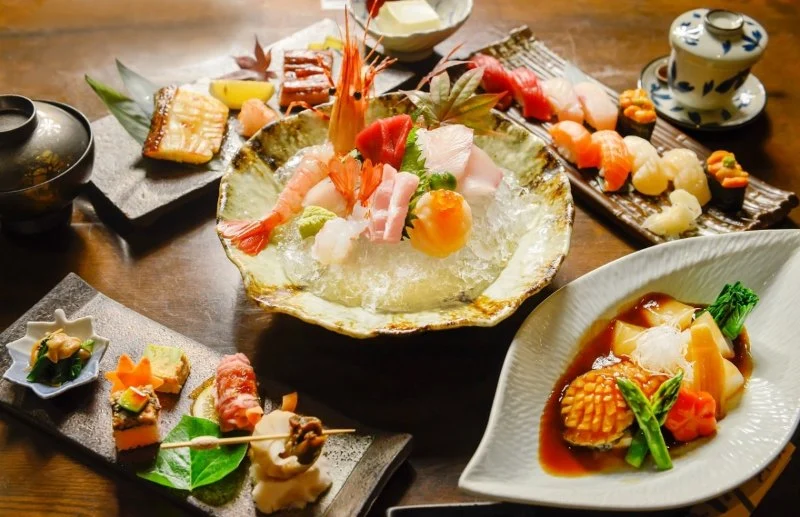
- 1. History of Japanese Cuisine
- 2. Essential Flavors in Japanese Cuisine
- 3. Popular Dishes in Authentic Japanese Restaurants
- 4. The Role of Seasonality in Japanese Cuisine
- 5. Why Authentic Japanese Restaurants Stand Out
- 6. Explore Authentic Japanese Restaurants at Japanese Restaurant
1. History of Japanese Cuisine
Japanese cuisine, or washoku, has a rich and long history dating back thousands of years. Its roots can be traced to ancient agricultural practices in Japan, where rice was central to the diet. Over time, Japanese cuisine evolved, influenced by both domestic traditions and foreign imports, such as Chinese, Portuguese, and Dutch influences.
During the 8th century, the Japanese imperial court introduced Buddhist principles, which emphasized vegetarian diets, leading to the development of dishes like tofu, pickled vegetables, and steamed rice. By the Edo period (1603-1868), the practice of sushi and the introduction of tempura and other frying techniques became widely popular, shaping the food culture that we recognize today in authentic Japanese restaurants.
2. Essential Flavors in Japanese Cuisine
Japanese cuisine is known for its subtle yet complex flavors, built on a foundation of fresh, seasonal ingredients. Some of the key flavor profiles that define authentic Japanese dishes include:
- Umami: Often considered the fifth taste, umami is a savory flavor that enhances other tastes. It can be found in ingredients such as soy sauce, miso, and kombu (seaweed).
- Sweetness: While not as dominant, sweetness plays a role in dishes like teriyaki and in some desserts, where ingredients like red beans or rice are used.
- Saltiness: Japanese cuisine uses salt sparingly, but flavors are enhanced with ingredients like soy sauce, salt-fermented foods, and fish-based broths.
- Sourness: Common in pickled vegetables, vinegars, and certain soups, sourness provides a refreshing balance to rich dishes.
- Bitter: Bitter flavors can be found in foods like matcha (green tea), which adds complexity to the overall taste of a meal.
These five essential flavors come together to create a harmonious balance in dishes, making Japanese cuisine unique and enjoyable for the palate.
3. Popular Dishes in Authentic Japanese Restaurants
Authentic Japanese restaurants offer a variety of dishes, each with its own history and preparation methods. Some of the most popular dishes you’ll find include:
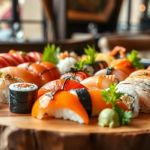
- Sushi: Sushi is perhaps the most famous Japanese dish globally. Made with vinegared rice and raw fish, sushi can be served in various styles, including nigiri, sashimi, and maki rolls.
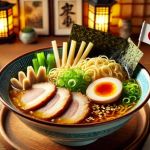
- Ramen: This noodle soup, originally from China, has become a beloved Japanese comfort food. It consists of noodles in a rich broth, typically flavored with soy sauce, miso, or pork-based stock.
- Tempura: Tempura is a dish of lightly battered and fried seafood or vegetables. It’s crispy, light, and often served with dipping sauce and grated radish.
- Takoyaki: Takoyaki are savory octopus-filled dough balls that are popular street food in Japan. These are often topped with bonito flakes and a sweet sauce.
- Shabu-shabu: A hot pot dish where thinly sliced beef and vegetables are briefly dipped into boiling water, then served with dipping sauces.
Each of these dishes showcases the emphasis on fresh ingredients and delicate preparation techniques that define authentic Japanese restaurants.
4. The Role of Seasonality in Japanese Cuisine
In Japanese cuisine, seasonality plays an essential role in ensuring that dishes are prepared using the freshest ingredients. The concept of "shun," or eating foods at the peak of their season, is deeply ingrained in Japanese culture. This approach not only enhances the flavor of the food but also connects the eater to the rhythms of nature.
For example, spring might bring dishes featuring bamboo shoots and young greens, while autumn celebrates mushrooms, sweet potatoes, and persimmons. This seasonal approach is also reflected in Japanese restaurants, which often update their menus based on what is available during each season.
5. Why Authentic Japanese Restaurants Stand Out
Authentic Japanese restaurants stand out for their dedication to preserving the traditional methods of Japanese cooking. Unlike many Westernized versions of Japanese food, these establishments focus on using high-quality, fresh ingredients and adhere to meticulous preparation techniques that have been passed down for generations.
The ambiance in an authentic Japanese restaurant is also a reflection of the culture. The use of natural materials, such as wood and bamboo, and minimalist décor creates a serene and peaceful dining experience, allowing patrons to focus on the flavors of the meal.
Additionally, many authentic Japanese restaurants offer sushi bars where skilled chefs prepare dishes in front of customers, providing an intimate and interactive dining experience.
6. Explore Authentic Japanese Restaurants at Japanese Restaurant
If you're looking to experience the best in authentic Japanese cuisine, visit Japanese Restaurant. Our selection of high-quality, traditional dishes ensures a true taste of Japan. Whether you're craving sushi, ramen, or tempura, we provide an unforgettable dining experience that honors the rich culinary traditions of Japan.
 Gyu-kaku Japanese BBQ4.0 (1911 reviews)
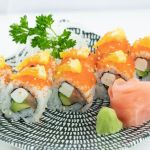 Kobé Japanese Steakhouse - Clearwater4.0 (5829 reviews)
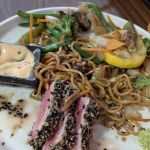 TigerLily4.0 (961 reviews)
 Osaka Japan3.0 (44 reviews)
 Oishii Japanese Ramen & Hibachi Grill4.0 (435 reviews)
 Sushi YaYa4.0 (407 reviews)
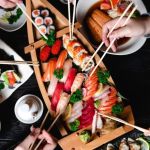 The Complete Guide to Dining at Chiba Japanese Restaurant
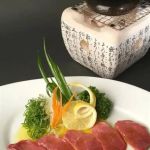 A Foodie’s Experience at Kiku Japanese Restaurant
 Why Locals Recommend Tanto Japanese Restaurant | Best Japanese Cuisine
 The Complete Guide to Dining at Japanese Curry Restaurants
 Why Locals Recommend Sapporo Japanese Restaurant | A Taste of Authentic Japan
 What Kind of Cabbage Japanese Restaurants Use in Traditional Dishes