
- origins-of-japanese-dining - The cultural origins of Japanese dining
- evolution-of-restaurant-japanese - Evolution of restaurant japanese in the US
- signature-flavors-and-techniques - Signature flavors and techniques that define Japanese cuisine
- modern-dining-experiences - Modern Japanese dining experiences across America
- real-life-stories-influence - Real-life stories and cultural influence
- recommended-places - Recommended restaurants and services
1. The cultural origins of Japanese dining
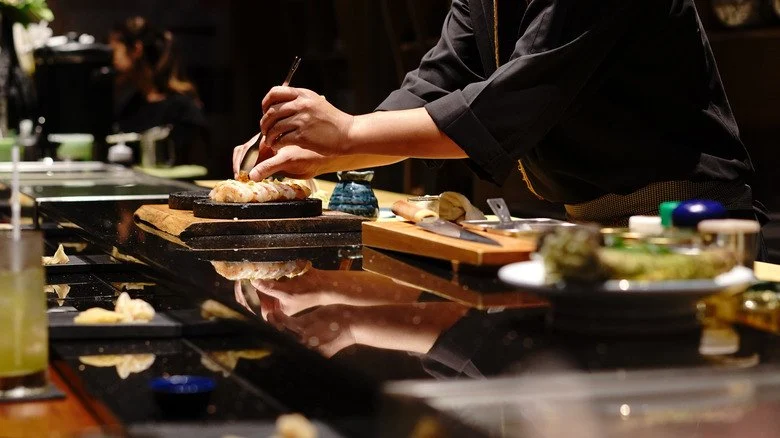
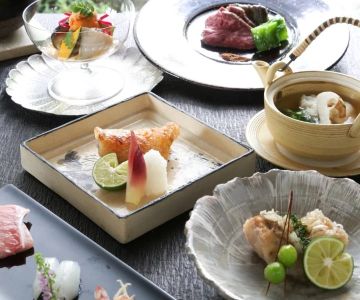
The story of restaurant japanese begins centuries ago with traditions rooted in balance, simplicity, and respect for natural flavors. From the meticulous preparation of sushi in Tokyo to the centuries-old art of kaiseki dining, Japanese cuisine reflects cultural values of harmony and minimalism. These traditions set the foundation for what later spread worldwide, influencing both fine dining and casual restaurant experiences in the United States.
2. Evolution of restaurant japanese in the US
2.1 The first wave of Japanese restaurants
Japanese restaurants started appearing in the US during the late 19th and early 20th centuries, primarily in cities with Japanese immigrant communities like Los Angeles and San Francisco. Early establishments focused on comfort dishes like noodles and rice bowls.
2.2 Sushi’s global breakthrough
By the 1980s, sushi bars became trendy in major American cities. Sushi was once considered exotic, but it soon evolved into a mainstream choice, with supermarkets and casual dining chains adopting it into their menus.
2.3 Fusion and modern adaptations
Today, restaurant japanese in America includes everything from authentic ramen shops to innovative fusion spots blending Japanese flavors with local cuisines. Chefs experiment with ingredients like avocado or spicy sauces—creations not traditionally found in Japan but beloved in the US.
3. Signature flavors and techniques that define Japanese cuisine
3.1 Umami as the backbone
Japanese cuisine is famous for emphasizing umami, the fifth taste, found in ingredients like miso, soy sauce, and bonito flakes. This unique approach gives Japanese food its depth and complexity.
3.2 Mastery in preparation
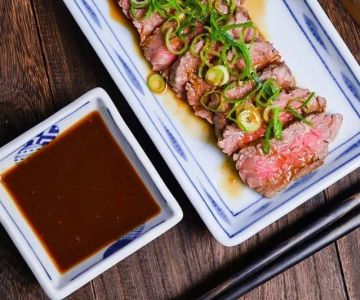
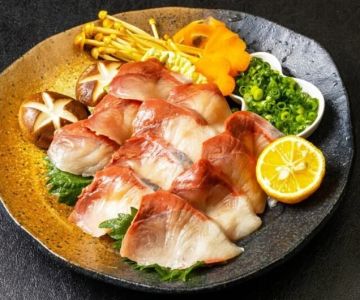
Knife skills, precision cooking, and attention to detail make Japanese dishes not just meals but artistic expressions. A bowl of ramen or a plate of sashimi reveals the care and craftsmanship that goes into each dish.
4. Modern Japanese dining experiences across America
Today, dining at a Japanese restaurant in the US can mean many things: enjoying an omakase sushi experience in New York, savoring tonkotsu ramen in Los Angeles, or exploring izakaya-style small plates in Chicago. Each style reflects not only the flavors of Japan but also the creativity of chefs adapting to American palates. For many diners, these experiences go beyond food—they represent cultural exchange and appreciation.
5. Real-life stories and cultural influence
One popular example is the story of Nobu, a globally recognized restaurant chain that started from a single idea: blending traditional Japanese techniques with Peruvian influences. Nobu’s success shows how restaurant japanese has become part of international fine dining culture. Similarly, viral TikTok trends like sushi bakes or ramen hacks highlight how Japanese flavors continue to inspire creativity in American kitchens.
6. Recommended restaurants and services
For those looking to explore authentic or modern Japanese flavors, Japanese Restaurant provides curated recommendations, from local hidden gems to fine dining experiences. Whether you’re craving classic sushi or contemporary Japanese fusion, you can discover the best options to satisfy your palate.
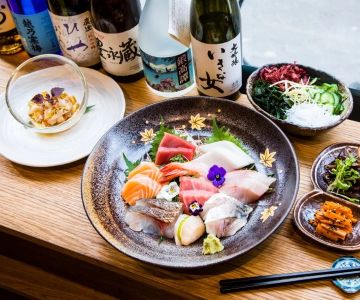
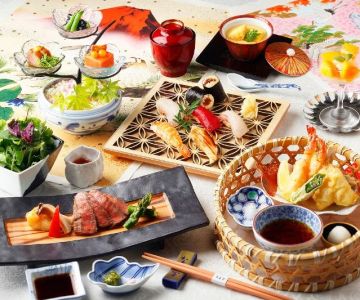
 Daiko Jerry San's Sushi Bar4.0 (343 reviews)
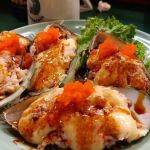 Uoko Sushi and Japanese Cuisine4.0 (339 reviews)
 RockStar Hibachi - Food Truck4.0 (346 reviews)
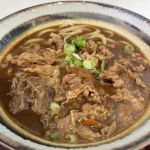 Kiki's Japanese Casual Dining4.0 (758 reviews)
 Washoku Kyo4.0 (40 reviews)
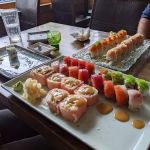 Kawa Sushi4.0 (227 reviews)
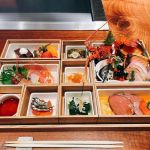 What Makes Nikko Japanese Restaurant Stand Out Among Japanese Restaurants – Unveiling Its Unique Appeal
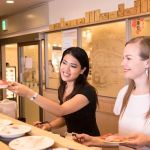 Are You Allowed to Talk in Japanese Restaurants? Dining Etiquette Explained
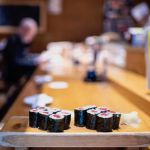 How to Make Restaurant Reservations in Japanese for a Smooth Dining Experience
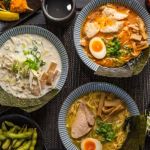 Is Zen Japanese Food Fast a Fast Food Restaurant or Fast Casual?
 Is It Rude to Burp at Japanese Restaurant? Understand the Etiquette
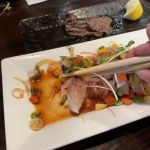 Why Locals Recommend Tanto Japanese Restaurant