
- 1-the-history-of-tataki-japanese-restaurant
- 2-popular-tataki-dishes-and-their-flavors
- 3-tataki-preparation-techniques-and-flavor-profile
- 4-tataki-and-its-influence-on-japanese-cuisine
- 5-real-life-experience-at-a-tataki-restaurant
- 6-the-future-of-tataki-japanese-restaurants
1. The History of Tataki Japanese Restaurant
Tataki, a term often associated with both a cooking method and a dish, has become a central element in many Japanese restaurants around the world. The origins of the tataki style date back to the Edo period in Japan, where it was used as a technique to prepare meats quickly, typically searing them lightly over an open flame while keeping the center raw.
The name "tataki" translates to "pounded" or "hit" in Japanese, referring to the technique of lightly searing meat and then quickly pounding it to tenderize. Originally, this method was used for preparing fish, but over time, chefs began applying it to various types of meat, particularly beef and tuna. Today, the term "tataki" is used in restaurants to describe both the preparation method and the dish itself.
In modern Japanese cuisine, Tataki Japanese restaurants have gained widespread popularity, especially in countries like the United States, where culinary enthusiasts seek new and exciting ways to enjoy Japanese flavors.
2. Popular Tataki Dishes and Their Flavors
Tataki dishes are celebrated for their rich, smoky flavors, achieved by briefly searing the exterior of the ingredients while maintaining the raw texture on the inside. Here are some of the most popular tataki dishes you can find in a traditional Japanese tataki restaurant:
1. Beef Tataki
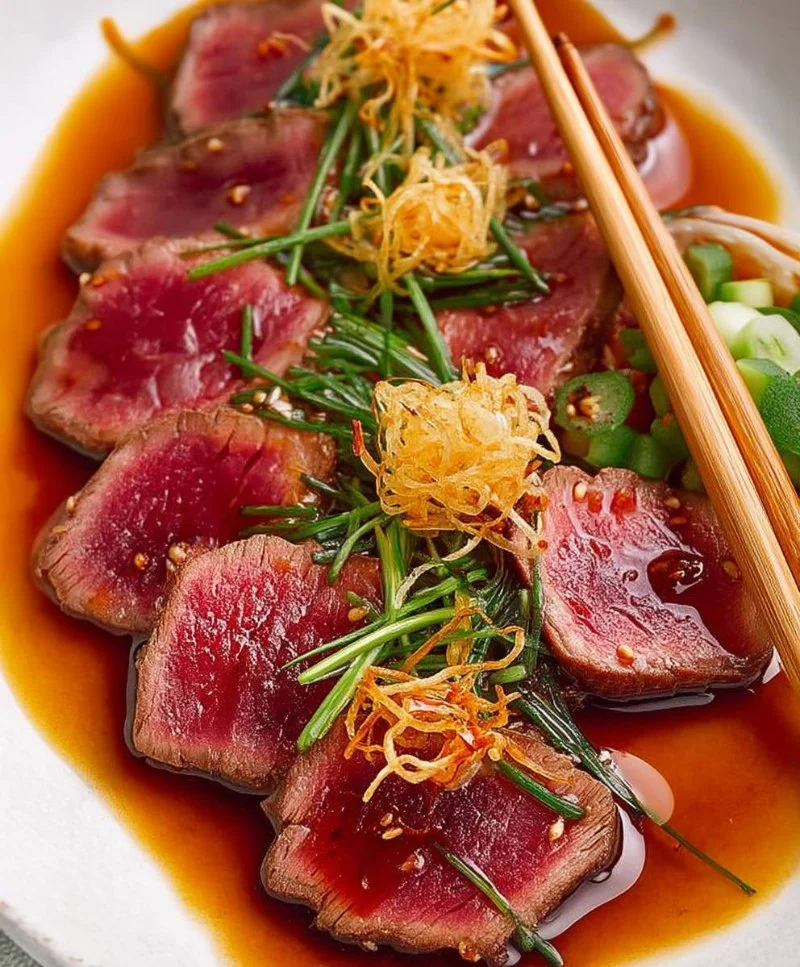
This dish features thinly sliced, lightly seared beef, often served with a tangy ponzu sauce, garlic, and scallions. The tender, flavorful beef contrasts beautifully with the acidity of the ponzu sauce and the crunch of the aromatics.
2. Tuna Tataki
Tuna tataki is a favorite for seafood lovers. The fish is seared on the outside and left raw in the center, maintaining its delicate texture. It is typically served with sesame seeds, green onions, and a soy-based dipping sauce.
3. Chicken Tataki
Although less common, chicken tataki is sometimes prepared with boneless, skinless chicken breasts. It is lightly seared on the outside and served with a flavorful dipping sauce, giving it a crispy exterior and tender, juicy interior.
3. Tataki Preparation Techniques and Flavor Profile
The preparation of tataki dishes is as much an art as it is a technique. The key to great tataki is balance – searing the meat or fish just enough to create a flavorful crust while preserving the fresh, tender texture inside. Here are the basic steps involved in preparing a perfect tataki dish:
1. Searing
The first step is to briefly sear the protein on all sides over high heat, usually with a small amount of oil. The searing process creates a rich, smoky flavor on the surface while keeping the center cool and raw. The timing is crucial, as overcooking can result in a loss of texture.
2. Resting and Slicing
Once seared, the meat or fish is typically rested for a few minutes to allow the juices to redistribute. After resting, it is thinly sliced against the grain to enhance tenderness.
3. Serving with Condiments
Tataki dishes are commonly served with condiments like ginger, garlic, sesame seeds, and ponzu sauce. These ingredients complement the smoky flavor and bring balance to the dish with their acidity and spice.
4. Tataki and Its Influence on Japanese Cuisine
Tataki has had a significant impact on modern Japanese cuisine. Its simple yet effective cooking technique and emphasis on fresh ingredients have influenced many chefs and restaurants worldwide. Today, tataki-style cooking is not only used for meats and fish but also for vegetables, bringing a new dimension to the world of Japanese cuisine.
Additionally, tataki’s appeal lies in its versatility. While it is traditionally a Japanese dish, it has been embraced by international culinary scenes, with variations created to suit local tastes and preferences. As Japanese food culture continues to influence global cuisine, tataki will remain a core element in the ever-evolving food landscape.
5. Real-Life Experience at a Tataki Restaurant
Sarah, a food enthusiast, recently visited a highly rated tataki restaurant in downtown Los Angeles. She decided to try the signature beef tataki, and after just one bite, she was hooked. The beef was perfectly seared on the outside, with a cool, tender center that melted in her mouth. The accompanying ponzu sauce, with its citrusy tang, perfectly complemented the rich flavors of the beef.
Sarah’s experience highlighted the allure of tataki cuisine: the perfect balance between simplicity and sophistication. She was impressed not only with the flavor but also with the presentation of the dish, which was as much a visual treat as it was a culinary one.
6. The Future of Tataki Japanese Restaurants
The future of Tataki Japanese restaurants is bright, especially as more people embrace Japanese culinary traditions. As consumer demand for healthier, fresher food grows, the tataki cooking method offers a way to enjoy delicious, flavorful dishes without excessive use of oils or heavy seasonings. With its focus on high-quality ingredients and delicate preparation, tataki cuisine is poised to remain a favorite among food lovers in 2025 and beyond.
Whether through the growth of fusion dishes, the increasing availability of tataki in non-Japanese restaurants, or the rise of sustainable and locally sourced ingredients, tataki will continue to be a key player in shaping the future of Japanese cuisine.

 Good Sushi4.0 (91 reviews)
 El Sushi4.0 (97 reviews)
 Tea House Asian Bistro4.0 (197 reviews)
 Azuma Sushi Bistro4.0 (737 reviews)
 Silverlake Ramen4.0 (215 reviews)
 Sushinista4.0 (155 reviews)
 Exploring the Menu at Asahi Japanese Restaurant
 Is Seaweed in Japanese Restaurants Wild or Farmed? What You Need to Know
 Top Dishes You Should Order at Umami Japanese Restaurant: A Culinary Journey
 Popular Japanese Restaurant Chains in the USA You Should Try
 The History and Flavor Behind Azuma Japanese Restaurant: A Journey Through Japanese Cuisine
 The Complete Guide to Dining at a Japanese Restaurant | Japanese Restaurant