
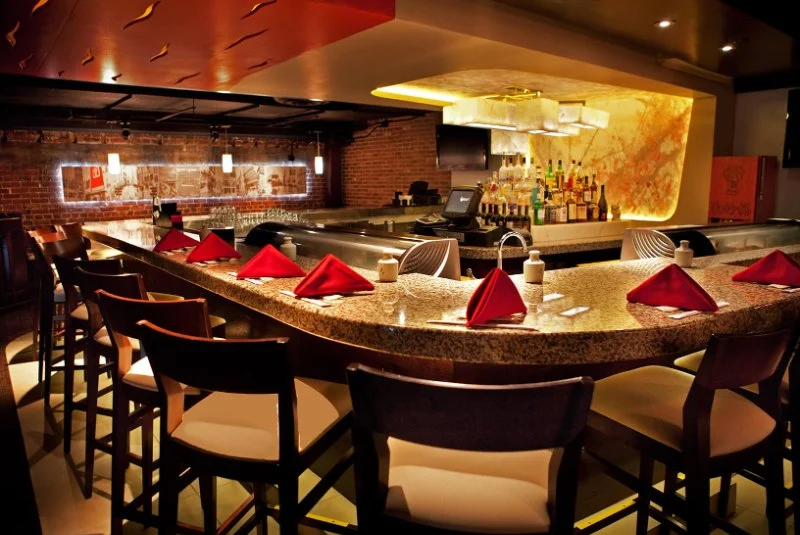
- meaning-of-open-table-in-japanese-steakhouse
- cultural-roots-and-group-experience
- differences-between-open-and-private-seating
- real-dining-experiences-and-customer-insights
- finding-the-right-japanese-steakhouse-setting
1. What Is an Open Table in a Japanese Steakhouse?
In the context of a Japanese steakhouse restaurant, an “open table” generally refers to communal seating at a teppanyaki grill, where guests—sometimes from different parties—share the same table. These are the large flat-top grills surrounded by chairs, where chefs prepare your meal right before your eyes, combining cooking and performance.
Unlike traditional private tables, an open table is all about shared interaction and theatrical dining. If a hostess tells you there’s an open table available, that typically means there’s space at an already seated or soon-to-be-filled shared grill.
2. Cultural Roots and Group Experience
Japanese steakhouse culture, especially in the U.S., often takes inspiration from teppanyaki traditions that value shared space, group dynamics, and showmanship. Restaurants like Benihana popularized the open-table setup in the American market, offering diners an immersive experience that’s as much entertainment as it is a meal.
This style of dining mirrors aspects of Japanese social customs, where eating is a communal activity. Sitting at an open table makes it easier for guests to celebrate birthdays, work outings, or simply meet new people over miso soup and a volcano onion trick.
3. Differences Between Open and Private Seating
While open tables provide energy and spectacle, they’re not always right for every occasion. Let’s compare the two:
Open Table: Shared with other groups, often seated as the table fills up. You may need to wait for the table to reach a minimum number before the chef begins cooking. It’s perfect for lively experiences, but privacy is minimal.
Private Table: Reserved for your group only. Less noise, more control over timing and interaction. Ideal for intimate dinners or business conversations.
For many first-time diners unfamiliar with Japanese steakhouse etiquette, this difference can be surprising. Some expect immediate service upon seating, but in an open-table setting, the chef only begins once enough guests are present.
4. Real Dining Experiences and Customer Insights
A couple from Dallas recently shared their experience at a Japanese steakhouse on a food review forum. They initially felt awkward joining strangers at an open table but ended up enjoying birthday songs and sake bombs with a family they’d just met. “It felt like we were all celebrating something together,” they said.
Another diner noted that on busy weekends, opting for an open table helped them get seated quicker compared to waiting for a private booth. It’s a good tip for guests who are more flexible and eager to watch the chef’s showmanship up close.
5. Finding the Right Japanese Steakhouse Setting
When deciding whether an open table is right for you, consider the purpose of your visit. Are you there to enjoy the performance, interact with others, and dive into an immersive, cultural experience? Then open tables are ideal. If you prefer a quieter, more intimate setting, ask about private seating when you reserve.
For travelers and locals looking for the most authentic or dynamic Japanese steakhouse experience in the U.S., we recommend browsing offerings from Japanese Restaurant. You can discover the best combinations of menu, atmosphere, and seating style that suit your preferences.
 Sushi Palace4.0 (346 reviews)
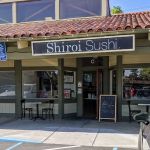 Shiroi Sushi4.0 (213 reviews)
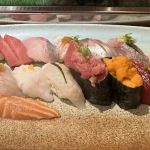 Sushi Ota4.0 (2373 reviews)
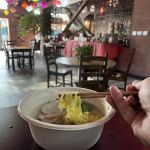 Yo-Kai Express3.0 (4 reviews)
 Curry Ya Japanese Tonkatsu Curry4.0 (183 reviews)
 RAKKAN Ramen - Houston Heights4.0 (1438 reviews)
 How Do You Say Hello in a Japanese Restaurant Setting?
 The Complete Guide to Dining at Sake Japanese Restaurant | Experience Authentic Japanese Cuisine
 What Makes Jinghe Japanese Restaurant Stand Out Among Japanese Restaurants
 What to Say When You Leave a Japanese Restaurant – Polite Phrases Explained
 The History and Flavor Behind Sarku Japanese Restaurant
 What to Say When You Leave a Japanese Restaurant – Etiquette and Phrases