
- what-is-the-clear-soup-at-japanese-restaurants
- ingredients-that-make-clear-soup-distinct
- differences-between-clear-soup-and-miso-soup
- when-and-why-clear-soup-is-served
- personal-stories-and-cultural-touchpoints
- explore-authentic-clear-soup-experiences
1. What Is the Clear Soup at Japanese Restaurants?
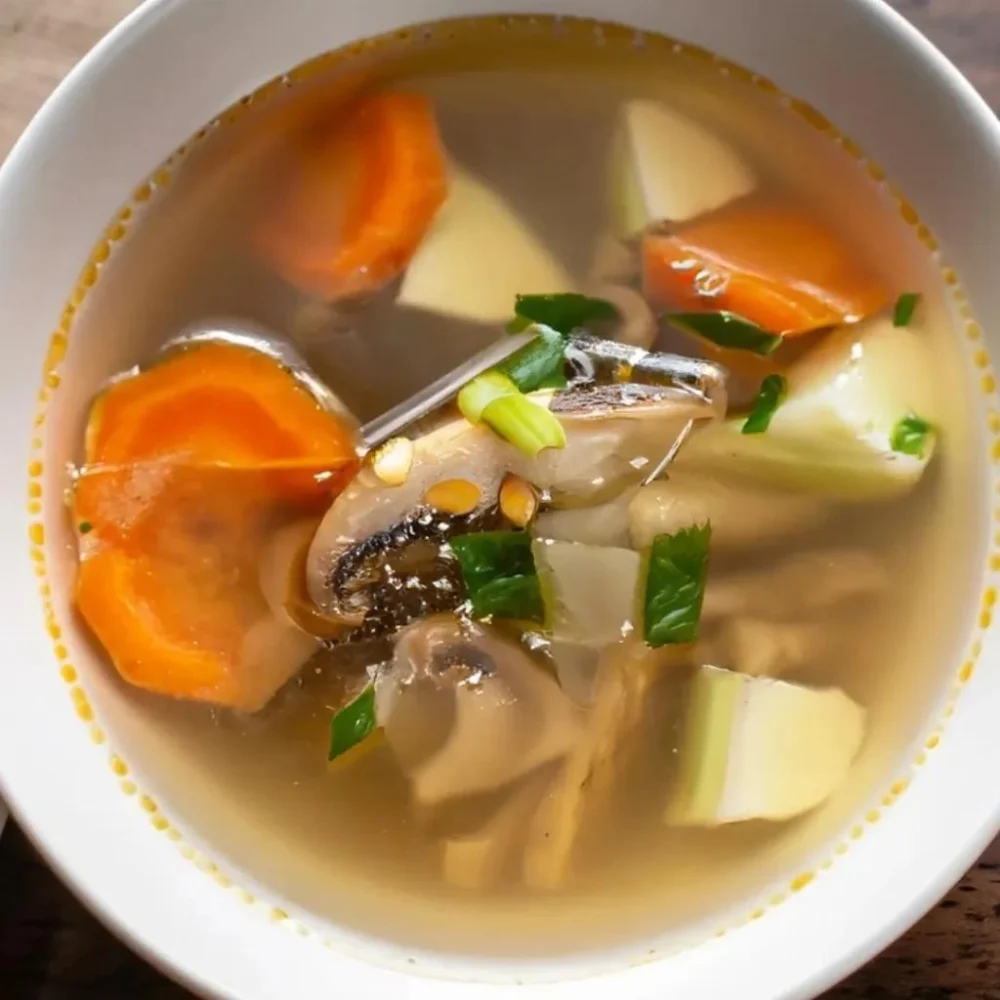
When dining at a Japanese restaurant, one of the first items you’re often served is a small bowl of clear soup. But many first-timers wonder—what is the clear soup at Japanese restaurants exactly? Known in Japanese as “osuimono” or sometimes “sumashi-jiru,” this light and subtly seasoned broth is a traditional part of many Japanese meals. It’s more than just an appetizer—it’s a palate cleanser, a moment of warm comfort, and a nod to centuries of culinary heritage.
Unlike heavier Western soups, Japanese clear soup emphasizes restraint and elegance. Its appearance is transparent but its taste is layered and satisfying. You may spot a sliver of mushroom, a thin scallion ring, or a small tofu cube floating within—but never too much. The soup’s simplicity is its sophistication.
2. Ingredients That Make Clear Soup Distinct
The secret behind clear soup’s umami depth lies in its base: dashi, a traditional Japanese stock made from kombu (kelp) and katsuobushi (dried bonito flakes). These ingredients infuse the broth with a clean but deeply savory flavor, unlike anything you’d get from a chicken or beef stock.
Depending on the region or chef, the soup may include seasonal garnishes such as:
- Thin slices of shiitake mushrooms
- Delicate cuts of seafood or chicken
- Yuzu peel or mitsuba (Japanese wild parsley)
The result is a broth that’s both light and deeply comforting. Many chefs at top-rated Japanese Restaurant locations take great care in balancing flavor and clarity—a practice that reflects Japanese cuisine’s wider philosophy.
3. Differences Between Clear Soup and Miso Soup
One of the most common mix-ups occurs between clear soup and miso soup. While both are staple starters in Japanese restaurants, they serve different purposes and have distinctly different profiles.
Clear soup is transparent, often with dashi as a base, and uses minimal garnishes. It’s subtle and almost meditative in its taste. Miso soup, on the other hand, is cloudier and heavier due to the fermented soybean paste used in its preparation. It frequently includes tofu, wakame seaweed, and green onions.
If you’re someone watching sodium intake or simply looking for a gentler start to a meal, clear soup is an ideal choice. It's not only refreshing but also gluten-free if made traditionally without soy sauce containing wheat.
4. When and Why Clear Soup Is Served
In Japanese cuisine, meals are thoughtfully balanced. A serving of clear soup is often included as a starter, especially in kaiseki (traditional multi-course meals), or as a complement to sushi or tempura. Its purpose is twofold:
- To warm the stomach and enhance digestion before heavier foods
- To provide a clean contrast that allows the main dishes’ flavors to shine
Some restaurants even serve clear soup during colder months or as a calming part of a light lunch. At premium spots, you might even find seasonal variations designed to reflect nature’s cycle—like a clear soup featuring sakura blossoms in spring.
5. Personal Stories and Cultural Touchpoints
Many Japanese children grow up with osuimono as part of family meals. A recent viral story featured a Tokyo chef who shared how his grandmother’s clear soup recipe inspired him to become a professional cook. He recalled how she would simmer the broth early in the morning using ingredients sourced from their small countryside garden. For him, the soup wasn’t just food—it was memory and identity in a bowl.
Even as a traveler or casual diner, sipping clear soup can evoke a sense of calm and authenticity. It’s one of those rare culinary experiences where less truly becomes more. And for diners with dietary needs—especially those seeking gluten-free or low-calorie options—it’s a go-to that’s both safe and satisfying.
6. Explore Authentic Clear Soup Experiences
Whether you’re curious to try a traditional osuimono or looking for a refined starter to impress dinner guests, start by exploring local eateries that prioritize quality and authenticity. At Japanese Restaurant, you can find chefs who prepare clear soup using age-old techniques and locally sourced ingredients.
If you're trying your hand at making it at home, the essentials are simple: good dashi, a light seasoning of soy sauce and salt, and a mindful eye on balance. But if you're looking to experience it like it’s meant to be—served quietly before a carefully plated nigiri set—let the professionals handle the magic.
 Nimblefish4.0 (425 reviews)
 Tokyo One4.0 (422 reviews)
 Hako4.0 (510 reviews)
 Japan Inn4.0 (2135 reviews)
 Kanpai4.0 (544 reviews)
 Anaba4.0 (151 reviews)
 How to Make the Soup at Japanese Restaurants: A Step-by-Step Guide
 A Foodie’s Experience at Tanto Japanese Restaurant – Authentic Japanese Cuisine
 What Makes the Best Japanese Restaurant in Los Angeles Stand Out Among Others
 An Insider’s Review of Miyabi Japanese Restaurant – Authentic Dining Experience
 Top Dishes to Order at Japanese Restaurants in Miami
 Why Do Koreans Run Japanese Restaurants? Cultural and Culinary Insights