
- understanding-traditional-teriyaki-sauce
- key-ingredients-used-in-authentic-japanese-restaurants
- how-restaurant-made-sauce-differs-from-store-bought
- examples-from-real-japanese-restaurants
- choosing-the-right-teriyaki-sauce-for-home-cooking
- customizing-sauce-for-modern-dining
- where-to-find-restaurant-style-teriyaki-sauces
1. Understanding Traditional Teriyaki Sauce
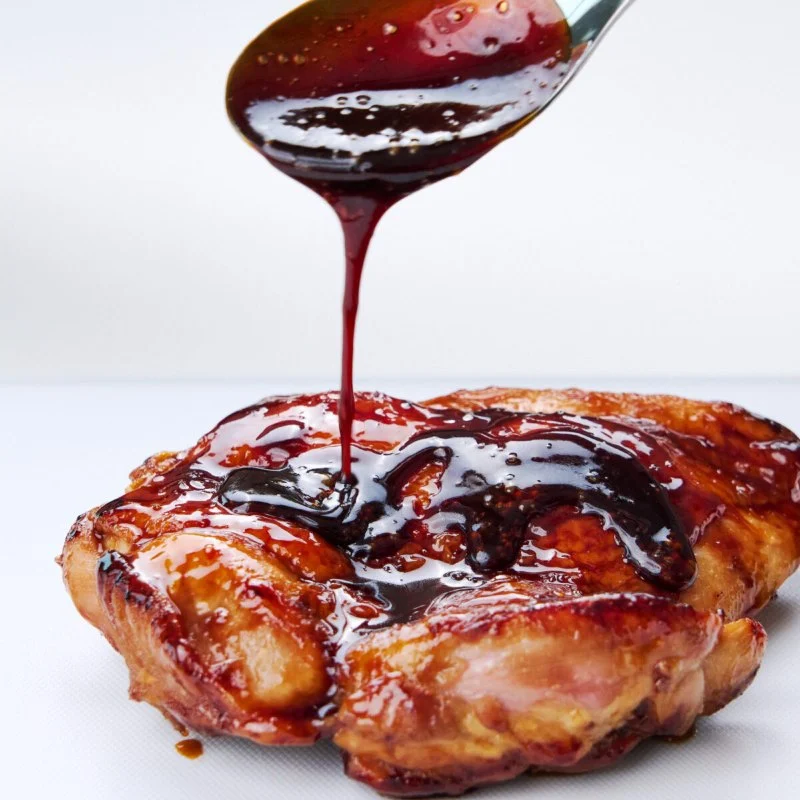
When people ask, what kind of teriyaki sauce do Japanese restaurants use, they’re often expecting a secret recipe—but the truth lies in tradition. Authentic Japanese teriyaki sauce is far simpler than its Westernized counterpart, relying heavily on the balance of just a few ingredients: soy sauce, mirin, sake, and sugar. The magic happens in the precise ratio, the cooking technique, and the freshness of the base components.
2. Key Ingredients Used in Authentic Japanese Restaurants
Most high-end Japanese chefs and izakaya-style restaurants use naturally brewed Japanese soy sauce (such as Kikkoman or Yamasa), combined with hon-mirin (real mirin, not sweetened corn syrup), and aged sake. These ingredients are simmered together to create a glossy glaze that enhances—not masks—the flavor of meats like chicken, salmon, or beef. The sweetness isn’t overpowering; it’s subtle, balanced, and deep.
3. How Restaurant-Made Sauce Differs from Store-Bought
What you find in a bottle at the grocery store is often thicker, overly sweetened, and sometimes includes preservatives or thickeners like cornstarch. Restaurant-made sauce is usually thinner but richer in umami flavor. It’s cooked fresh, adjusted to the dish, and never overpowering. It’s designed to soak into grilled food and form that beautiful caramelized coating. That’s why when you eat teriyaki at a good Japanese restaurant, it tastes lighter yet more satisfying.
4. Examples from Real Japanese Restaurants
In Austin, chef Takashi at a family-run restaurant shared that their teriyaki sauce has been made from the same three ingredients since the 80s—and they simmer it daily in small batches. Meanwhile, in Los Angeles’ Little Tokyo, a yakitori bar customizes their sauce base depending on the skewers being served. Pork gets a touch more sugar, while salmon gets an extra splash of mirin. These stories show that the sauce is an evolving, chef-driven expression.
5. Choosing the Right Teriyaki Sauce for Home Cooking
If you’re trying to recreate restaurant-style teriyaki at home, avoid mass-market sauces with more than five ingredients. Instead, try making your own using Japanese soy sauce, real mirin, sake, and a touch of brown sugar. For a shortcut, you can look for imported Japanese brands or explore restaurant-quality sauces through specialty sites like Japanese Restaurant, which often carries curated selections used by professionals.
6. Customizing Sauce for Modern Dining
Many contemporary Japanese chefs now tweak teriyaki sauce for vegan or gluten-free diners by using tamari (a wheat-free soy sauce) or substituting sake with rice vinegar. Some add ginger or garlic for bold flavor, though purists might object. Still, what matters most is the balance: salty, sweet, and just enough umami to enhance, not overwhelm. Knowing this helps you appreciate why restaurant versions feel more “clean” and intentional.
7. Where to Find Restaurant-Style Teriyaki Sauces
For home cooks and food enthusiasts looking to match that unforgettable flavor from their favorite Japanese restaurants, visiting a Japanese-focused store or a chef-curated website like Japanese Restaurant is your best bet. There, you’ll find small-batch sauces crafted with integrity, often imported directly from Japan. Some even offer limited-edition blends developed by real restaurant chefs, ensuring your next grilled dish is as close to authentic as it gets.
 Hai's Sushi & Pho4.0 (265 reviews)
 Sushi O Bistro & Sushi Bar4.0 (1012 reviews)
 Kraken Sushi & Beyond4.0 (379 reviews)
 Sushi Para3.0 (265 reviews)
 Izakaya Fishtown4.0 (317 reviews)
 Sushi N Wok3.0 (194 reviews)
 The Complete Guide to Dining at Kazu Japanese Restaurant
 Why Musashi Japanese Restaurant is a Must-Try for Japanese Food Lovers
 De Fune Japanese Restaurant in Marylebone London – A True Culinary Gem
 What Is the House Soup at Japanese Restaurants?
 Exploring the Menu at Gyotaku Japanese Restaurant: A Culinary Journey
 What Kind of Sandwiches Do Japanese Restaurants Have? A Guide to Unique Sandos