
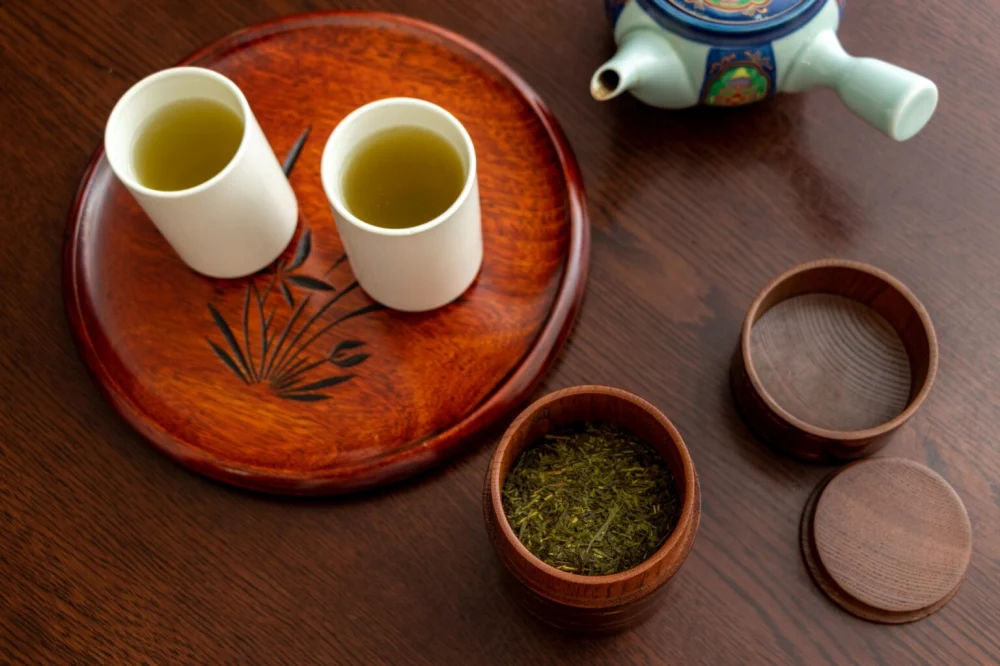
- common-teas-served-in-japanese-restaurants
- why-these-teas-are-preferred
- the-role-of-tea-in-japanese-dining-culture
- regional-and-seasonal-variations
- real-customer-experiences
- how-to-choose-the-right-tea-for-home
1. Common Types of Tea Served in Japanese Restaurants
If you've ever dined in a traditional Japanese eatery, you might have wondered what tea is served in Japanese restaurants. While the specific type may vary slightly by region or restaurant style, there are a few iconic teas that dominate the experience.
1.1 Sencha (煎茶)
Sencha is the most widely consumed green tea in Japan. It strikes a balance between grassy and slightly bitter notes, making it a refreshing accompaniment to sushi or tempura. Most mid-to-upscale Japanese restaurants offer this tea by default.
1.2 Hōjicha (焙じ茶)
Hōjicha is roasted green tea with a distinct, nutty aroma and a mellow flavor. Its lower caffeine content makes it a popular choice for evening diners or families. It’s especially common in Kyoto-style or countryside-style restaurants.
1.3 Genmaicha (玄米茶)
This comforting blend of green tea and roasted brown rice has a toasty, popcorn-like flavor. Genmaicha is often served in casual izakaya settings and provides a warming, full-bodied experience that complements grilled dishes.
1.4 Mugicha (麦茶)
Technically a barley tea and caffeine-free, mugicha is typically served cold during summer months. Its nutty taste makes it a hit with kids and elders alike, and it’s frequently found in ramen shops and family-oriented establishments.
2. Why These Teas Are Preferred in Japanese Restaurants
2.1 Cleansing the Palate
Japanese cuisine emphasizes delicate flavors—fresh fish, miso, pickled vegetables—and the tea served must enhance rather than overpower. Green teas like sencha gently cleanse the palate between bites, making each taste more defined.
2.2 Digestive Benefits
Hōjicha and genmaicha are known for aiding digestion, which makes them ideal companions for a hearty meal. After consuming rich dishes like tonkatsu or udon, sipping on a warm tea helps prevent bloating and leaves a clean finish.
2.3 Low Caffeine and Comfort
Many diners enjoy tea late into the evening. Hōjicha and mugicha have minimal or no caffeine, allowing guests to relax after dinner without sleep disruption—a small but meaningful aspect of Japanese hospitality.
3. The Role of Tea in Japanese Dining Culture
3.1 More Than a Beverage
Tea in Japan isn’t just a drink—it’s part of the ritual. Upon seating, customers are often greeted with a hot cup of tea before ordering. This gesture isn’t just practical—it communicates warmth, respect, and care.
3.2 Symbol of Omotenashi
The Japanese philosophy of omotenashi, or selfless hospitality, is perfectly embodied in the simple act of serving tea. Whether you’re at a sushi counter or a countryside inn, the consistency and quality of the tea reflects the establishment’s overall service ethos.
4. Regional and Seasonal Variations
4.1 Kyoto and Uji Teas
Kyoto, particularly the Uji region, is famous for producing high-grade teas like gyokuro and matcha. In finer kaiseki restaurants, gyokuro—an umami-rich, shade-grown tea—is sometimes served to reflect regional pride and sophistication.
4.2 Cold Teas in Summer
During summer, many restaurants switch to cold versions of green tea or mugicha. This not only helps beat the heat but also complements cold dishes like chilled soba or sashimi platters.
5. Real Customer Experiences and Stories
5.1 A Surprise at a Tokyo Sushi Bar
Travel blogger Naomi recounted her experience at a small sushi bar in Shinjuku where she was served a cup of piping hot genmaicha before even looking at the menu. "It was raining outside, and that tea felt like a warm hug," she shared. "I didn’t expect much from it, but it’s now my favorite tea."
5.2 An American Chef Discovers Hōjicha
James, a chef from New York, discovered hōjicha at a ramen restaurant in Osaka. "I thought it was weird at first—smoky and light. But after a heavy bowl of tonkotsu ramen, it made perfect sense. Now I serve hōjicha at my own restaurant back home."
6. How to Choose the Right Japanese Tea for Your Home
6.1 Match Your Tea to the Meal
If you're recreating a Japanese dining experience at home, choose tea that complements the dish. Sencha works well with light fish, genmaicha with grilled meats, and hōjicha is perfect for post-meal relaxation.
6.2 Buy From Trusted Sources
Not all teas labeled “Japanese” maintain authentic standards. At Japanese Restaurant, we connect customers with trusted purveyors of premium teas, directly sourced from regions like Shizuoka and Uji. Whether you're a first-timer or a seasoned sipper, we help you find the right tea to match your taste and budget.
6.3 Try Seasonal Selections
Just like seasonal produce, Japanese teas change with the season. Spring teas are light and floral, while autumn harvests are richer and more mellow. Keep your tea experience dynamic by rotating seasonal selections.
 Tsukimi4.0 (785 reviews)
 Sushi Akio4.0 (129 reviews)
 Sarku Japan3.0 (229 reviews)
 Sushi Garden4.0 (268 reviews)
 Yoko's Japanese Restaurant and Sushi Bar4.0 (491 reviews)
 RA Sushi Bar Restaurant4.0 (1683 reviews)
 How to Leave a Restaurant in Japanese: Cultural Etiquette and Phrases
 Is Japanese Restaurant Good for Celiac People? Tips for Dining Gluten-Free
 Signature Sushi and Ramen at Ami Japanese Restaurant Westwood – A Culinary Delight
 What Makes Nikko Japanese Restaurant Stand Out Among Japanese Restaurants – Unveiling Its Unique Appeal
 What Makes Hiro Japanese Restaurant Stand Out Among Japanese Restaurants
 A Foodie’s Experience at Yokohama Japanese Restaurant: A Culinary Journey to Remember