
- what-to-order-in-japanese-restaurant - What to Order in a Japanese Restaurant: A Complete Guide
- understanding-the-menu-how-japanese-restaurants-are-structured - Understanding the Menu: How Japanese Restaurants Are Structured
- beginner-friendly-dishes-you-can-t-go-wrong-with - Beginner-Friendly Dishes You Can’t Go Wrong With
- what-to-order-based-on-the-type-of-japanese-restaurant - What to Order Based on the Type of Japanese Restaurant
- real-order-story-how-one-diner-learned-to-order-like-a-local - Real Order Story: How One Diner Learned to Order Like a Local
- tips-on-how-to-choose-wisely-from-the-menu - Tips on How to Choose Wisely From the Menu
- where-to-explore-and-order-authentic-japanese-dishes - Where to Explore and Order Authentic Japanese Dishes
1. What to Order in a Japanese Restaurant: A Complete Guide
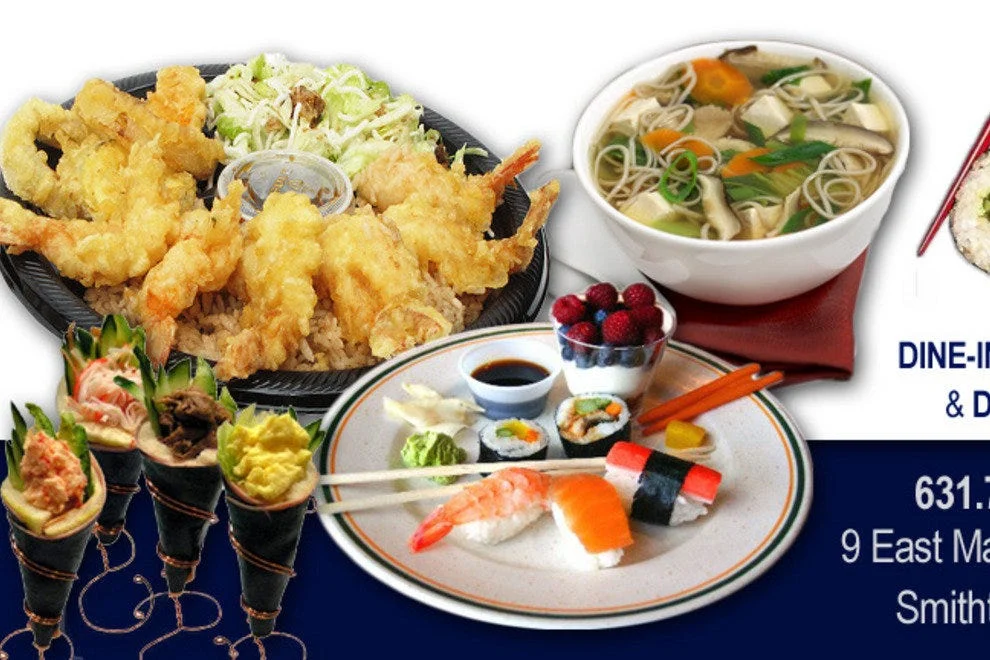
You sit down, the menu lands on your table, and you’re overwhelmed with choices — sushi rolls, sashimi, donburi, ramen, and dishes with names you’ve never heard before. So, what to order in a Japanese restaurant if you want an authentic, satisfying experience? The answer depends on where you are, what you’re in the mood for, and how adventurous you’re feeling. But with a bit of insight, anyone can order like a pro.
2. Understanding the Menu: How Japanese Restaurants Are Structured
Menus in Japanese restaurants often reflect specialization. Some focus on sushi, others on noodles, grilled items, or rice bowls. Many traditional places structure their menus by category:
- Sashimi & Sushi: Raw fish over rice or served sliced on its own.
- Donburi: Rice bowls topped with beef, chicken, egg, or tempura.
- Teishoku: Set meals served with rice, miso soup, and side dishes.
- Noodles: Ramen, udon, or soba based on regional preference.
- Yakimono: Grilled items, such as skewered meat or fish.
Knowing what the restaurant specializes in helps narrow your choices and leads to a more enjoyable meal.
3. Beginner-Friendly Dishes You Can’t Go Wrong With
If you’re new to Japanese cuisine, a few reliable orders are both safe and satisfying:
3.1 Chicken Katsu Don
A breaded, fried chicken cutlet over rice with simmered egg and soy-based broth — comforting and flavorful.
3.2 California Roll or Salmon Avocado Roll
Mild, familiar ingredients that help ease into the sushi experience.
3.3 Tempura Udon
Thick wheat noodles served in a light broth, paired with crispy tempura — ideal for colder days or a hearty lunch.
3.4 Salmon Teriyaki
Grilled fish glazed with a sweet-savory teriyaki sauce, served with rice and steamed vegetables.
4. What to Order Based on the Type of Japanese Restaurant
Not every Japanese restaurant offers the same variety. Here’s how to order based on the setting:
4.1 Sushi Bar
Go for nigiri sushi (raw fish on rice), sashimi, and seasonal specials. Ask the chef for an “omakase” (chef’s choice) if you’re feeling bold — it’s the best way to sample the freshest offerings.
4.2 Izakaya (Japanese Pub)
Order small plates to share — karaage (fried chicken), grilled skewers, and takoyaki (octopus balls) are staples. Pair them with sake or beer for the full experience.
4.3 Ramen Shop
Choose between tonkotsu (pork bone broth), shoyu (soy sauce), miso, or shio (salt-based). Add a soft-boiled egg or extra chashu pork for maximum satisfaction.
4.4 Curry House
Try katsu curry — a crispy cutlet over rice smothered in thick, mildly spicy Japanese curry.
5. Real Order Story: How One Diner Learned to Order Like a Local
During a trip to Osaka, a tourist named Emily walked into a neighborhood izakaya unsure of what to try. Instead of defaulting to sushi, she asked the server what they’d recommend. She was guided toward grilled mackerel, kinpira (sautéed burdock root), and house-made tofu.
Later, she shared online: “It wasn’t what I expected, but it was the most memorable meal I had in Japan — because I trusted the local knowledge.”
6. Tips on How to Choose Wisely From the Menu
- Look for seasonal items: These are often fresher and better value.
- Ask staff for their recommendation: They know what’s popular and what just came in.
- Don’t be afraid to try something new: Japanese menus often include unfamiliar dishes, but many are surprisingly accessible in flavor.
Also, consider the lunch menu — many Japanese restaurants offer affordable, full-set meals at noon that include soup, salad, and even dessert.
7. Where to Explore and Order Authentic Japanese Dishes
If you're wondering what to order in a Japanese restaurant near you, or want to explore new places before committing to a meal, try browsing recommendations on Japanese Restaurant. The platform highlights curated listings from traditional sushi counters to home-style ramen shops, letting you compare menu options and user reviews.
Japanese cuisine is layered, delicate, and endlessly diverse — from the simplicity of a miso soup to the craftsmanship of omakase sushi. The more you explore, the more confident you’ll be in ordering exactly what you love — and discovering new favorites along the way.
 Nimblefish4.0 (425 reviews)
 Tokyo One4.0 (422 reviews)
 Hako4.0 (510 reviews)
 Japan Inn4.0 (2135 reviews)
 Kanpai4.0 (544 reviews)
 Anaba4.0 (151 reviews)
 How to Make the Soup at Japanese Restaurants: A Step-by-Step Guide
 A Foodie’s Experience at Tanto Japanese Restaurant – Authentic Japanese Cuisine
 What Makes the Best Japanese Restaurant in Los Angeles Stand Out Among Others
 An Insider’s Review of Miyabi Japanese Restaurant – Authentic Dining Experience
 Top Dishes to Order at Japanese Restaurants in Miami
 Why Do Koreans Run Japanese Restaurants? Cultural and Culinary Insights