
- -what-restaurants-in-tokyo-are-japanese-only-#overview
- -why-some-venues-limit-foreigners-#reasons
- -case-profiles-language-and-membership-policies-#profiles
- -viral-controversies-public-response-#controversy
- -navigating-the-scene-as-a-visitor-#navigation
- -curated-help-from-japanese-restaurant-#help
1 Framing the Question: “What Restaurants in Tokyo Are Japanese Only?”
1.1 Defining the Term In Tokyo, “Japanese only” usually falls into two buckets: nihongo nomi (Japanese-language only) signs, and invitation- or membership-only counters that effectively shut out newcomers who lack local connections. Both create the perception that certain restaurants bar foreign guests, yet the motivations and experiences vary widely.
1.2 Scale of the Phenomenon Academic surveys cite fewer than 1 % of Tokyo’s 140 000 eateries as openly restrictive, but those handful—often high-profile sushi bars or tiny izakaya—attract outsized international attention.
1.3 Historic Context Invitation-only dining has roots in Edo-period ryōtei, where patrons needed an introducer. Modern Michelin-listed counters have revived the practice as a way to protect craft, cadence, and conversation from the crush of global tourism.
2 Why Some Tokyo Venues Limit Foreign Guests
2.1 Language Logistics At Mukojima’s Izakaya Kadoya, patrons hand-write orders in kanji on paper slips. Owner Kuro Kadoya says he posted a “Japanese Language Only” sign after repeated mis-orders and slow table turns with non-Japanese speakers.
2.2 Seat Scarcity & Craft Control Eight-seat sushi temples like Sushi Saito or Kakigaracho Sugita manage microscopic wait-lists by limiting bookings to members or referrals, arguing that regulars understand pacing, etiquette, and allergies without lengthy explanations.
2.3 Reputation Risk Chefs worry social-media misinterpretations could tarnish a lifetime of work, so they favor familiar guests who respect no-photo rules and seasonal subtleties.
3 Case Profiles: Language-Only vs. Membership-Only
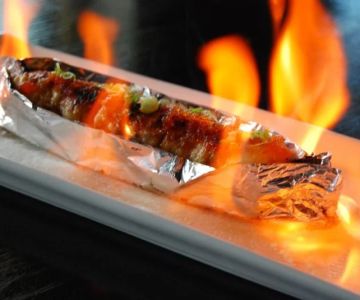
3.1 Language-Only Spot—Kadoya, Mukojima A 12-seat tavern famous for grilled mackerel. The “日本語のみ” placard sparked a 19-million-view X (Twitter) debate in 2024. Patrons who can order in Japanese are welcome, regardless of nationality.
3.2 Membership Sushi—Sushi Saito, Roppongi Former three-Michelin-star counter (stars relinquished after going private). New diners must accompany a regular several times before earning booking privileges; phone numbers are unpublished.
3.3 Invite-Only Kaiseki—Matsukawa, Akasaka Ranks third nationwide on Tabelog yet has no website. Reservations open three months ahead and vanish in minutes—available only through existing patrons.
3.4 Quasi-Public but Tough—Sukiyabashi Jiro, Ginza Technically open, but as of 2025 accepts bookings only via top-tier hotel concierges able to vouch for guests’ punctuality and sushi etiquette.
4 Viral Controversies & Public Response
4.1 Social-Media Blowups When Kadoya’s owner tweeted “Make an effort to speak Japanese,” global backlash branded the bar xenophobic, even though he insisted the rule was linguistic, not racial.
4.2 Media Memory-Holes Journalists remind readers that “Japanese Only” signage surged during the ’90s boom in Roppongi nightlife and resurfaces cyclically with tourist spikes.
4.3 Policy Shifts Some venues quietly drop language signs after tourism boards intervene, while others double down, viewing exclusivity as brand armor in an era of viral reviews.
5 Navigating the Scene as a Visitor
5.1 Leverage Language & Local Friends Fluency—even basic—opens doors. Arriving with a Japanese-speaking friend often flips an automatic “no” into a warm welcome.
5.2 Book Through Trusted Concierges Luxury hotels maintain standing allocations at invite-only counters; expect to pre-pay and surrender your card against last-minute cancellations.
5.3 Respect House Rules If you secure a seat, arrive early, avoid perfume, and ask before photographing. Such etiquette signals alignment with the chef’s craft ethos.
6 Curated Help from Japanese Restaurant
6.1 What We Offer Our Japanese Restaurant platform tracks language policies, referral pathways, and seasonal booking windows across Tokyo, guiding you toward venues that match your comfort level—whether fully public or secretive eight-seat counters.
6.2 Beyond Reservations Browse artisan soy sauces, ceramic sushi plates, and etiquette mini-courses so you arrive ready to honor each chef’s decades-honed ritual.
 Sarku Japan Teriyaki & Sushi Express4.0 (449 reviews)
 Tomi Sushi Restaurant4.0 (705 reviews)
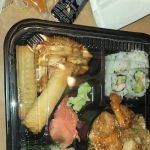 Quickway Japanese Hibachi3.0 (81 reviews)
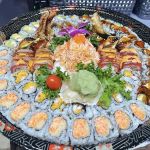 Muzi Sushi4.0 (55 reviews)
 SUKIYA L INC5.0 (2 reviews)
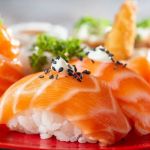 Sushi Town4.0 (161 reviews)
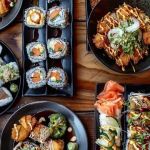 What Makes Yōki Japanese Restaurant & Bar Stand Out Among Ramen & Sushi Places
 Do Japanese Restaurants Have Menus? What to Expect When Dining Out
 Exploring the Menu at Mt. Fuji Japanese Restaurant
 What Sauce Do They Use at Japanese Restaurants? Authentic Flavors Explained
 Don Japanese Restaurant Auckland: Discover Authentic Donburi Flavors
 The Complete Guide to Dining at Taki Japanese Restaurant Dunwoody