
- 1-what-are-noren-curtains
- 2-cultural-and-practical-significance
- 3-how-noren-enhance-the-dining-experience
- 4-real-stories-and-modern-adaptations
- 5-explore-authentic-japanese-restaurants
1. What Are Noren Curtains?
When you visit a Japanese restaurant, you might notice traditional fabric curtains hanging at the entrance. These are called noren. Typically made from cotton or linen, noren are split vertically in the middle, allowing guests to enter easily while maintaining a sense of privacy and warmth.
Noren are more than decorative elements—they carry deep cultural and symbolic meanings in Japanese society.
1.1 Visual Characteristics and Design
Noren often display the restaurant’s name, logo, or symbolic patterns. The colors and designs can indicate the type of establishment, such as sushi bars, ramen shops, or tea houses, and even reflect the season.
2. Cultural and Practical Significance
The question why are there curtains in front of Japanese restaurants is best answered by understanding both their cultural roots and practical functions.
2.1 Symbol of Welcome and Business Status
Noren historically signified that the restaurant was open for business. When the noren is hung outside, it signals to customers that they are welcome to enter. Conversely, removing the curtains indicates the shop is closed.
2.2 Privacy and Atmosphere
Beyond symbolism, noren provide a subtle separation between the street and the interior, giving diners a sense of intimacy and shielding them from outside distractions. This helps create a calm, inviting atmosphere inside.
2.3 Protection from Weather
Noren also serve a practical purpose by blocking wind, dust, or sunlight from entering the restaurant, preserving comfort for both customers and staff.
3. How Noren Enhance the Dining Experience
By creating a physical and symbolic threshold, noren invite patrons into a unique cultural space. This transition prepares diners mentally and emotionally for the culinary experience ahead.
In addition, the artistry and craftsmanship behind each noren add to the aesthetic appeal of Japanese restaurants, reinforcing their traditional values and attention to detail.
4. Real Stories and Modern Adaptations
One memorable story involves a Japanese Restaurant customer who described the moment stepping through a noren as a “doorway into Japan,” setting the tone for an authentic meal.
Modern Japanese restaurants worldwide continue to adopt noren, sometimes blending traditional motifs with contemporary designs, demonstrating the enduring cultural relevance of these curtains.
5. Explore Authentic Japanese Restaurants
If you want to experience the ambiance that noren create and enjoy authentic Japanese cuisine, visiting Japanese Restaurant is a great start. The site offers trusted recommendations on restaurants that honor traditional customs and provide genuine dining experiences.
Understanding why there are curtains in front of Japanese restaurants deepens appreciation for the culture and enriches your culinary journey.
 OKA Sushi & Thai, Ramen4.0 (434 reviews)
 Gyu-kaku Japanese BBQ4.0 (1911 reviews)
 Tokyo Grill4.0 (872 reviews)
 Nori Omaha4.0 (46 reviews)
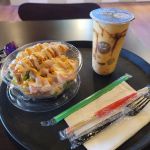 Nori Ramen & Poke bowl4.0 (326 reviews)
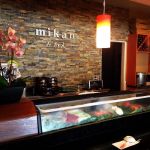 Mikan Japanese Restaurant4.0 (806 reviews)
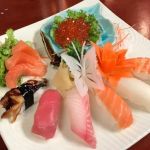 Why Locals Recommend Japanese Restaurant Bellevue – A Local Favorite
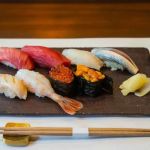 The History and Flavor Behind Sapporo Japanese Restaurant
 How to Sit on the Floor at a Japanese Restaurant: Etiquette & Comfort Tips
 Exploring the Menu at Gyotaku Japanese Restaurant: A Culinary Journey
 How to Say "How Many People" in a Japanese Restaurant
 htmlCopy codeWhy Locals Recommend Izumi Japanese Restaurant