- 1-Origins-of-Fortune-Cookies
- 2-Cultural-Differences-Between-Japanese-And-Chinese-Restaurants
- 3-Authentic-Japanese-Dining-Experience
- 4-Case-Study-How-Fortune-Cookies-Became-Linked-To-Asian-Cuisine
- 5-Recommendations-For-Japanese-Restaurant-Services
1. Origins of Fortune Cookies: A Misunderstood Symbol
Many people often wonder why Japanese restaurants do not give you fortune cookies after a meal, especially since these sweet treats are commonly expected in Asian dining establishments. The key to understanding this lies in the true origin of fortune cookies. Contrary to popular belief, fortune cookies did not originate in Japan. Instead, their roots trace back to early 20th-century Chinese immigrant communities in California. They are more closely associated with Chinese-American culture rather than authentic Asian traditions.
Fortune cookies are crisp cookies containing a slip of paper with a vague prophecy or wise saying. Their novelty and appeal grew quickly in Chinese restaurants across America, becoming an iconic part of the dining experience. However, traditional Japanese cuisine and customs have no historical connection to this practice, which explains their absence in genuine Japanese restaurants worldwide.
1.1 The Real Cultural Background
Japanese culture is deeply rooted in respect for seasonality, minimalism, and the purity of ingredients, reflected in both food and dining etiquette. The fortune cookie, with its playful yet commercial nature, contrasts with this cultural philosophy. Japanese sweets (wagashi), if served after meals, focus on subtle flavors and elegant presentation rather than surprise messages.
2. Cultural Differences Between Japanese and Chinese Restaurants
To understand why fortune cookies appear in Chinese restaurants but not in Japanese ones, it’s important to look at how dining cultures differ. Chinese restaurants, especially outside Asia, often incorporate elements that appeal broadly to Western customers, including fortune cookies. This practice has become part of the “Chinese restaurant experience” in many countries.
In contrast, Japanese restaurants strive to preserve authentic cultural dining experiences. Japanese cuisine emphasizes harmony (wa), balance, and tradition. The after-meal experience might include green tea or a small serving of seasonal fruit rather than a novelty cookie. Fortune cookies feel out of place in this setting and could detract from the authenticity that many Japanese restaurants aim to provide.
2.1 The Role of Dining Rituals
Japanese meals typically conclude with a moment of gratitude, often expressed verbally or through simple customs like saying “gochisousama” (thank you for the meal). The focus is on mindfulness and appreciation, which contrasts with the lighthearted and commercial nature of fortune cookies.
3. Authentic Japanese Dining Experience: What to Expect Instead
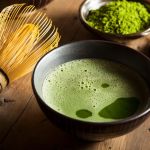
When you visit a genuine Japanese restaurant, you will experience a meal carefully designed to celebrate seasonal ingredients and culinary precision. Instead of fortune cookies, you might find offerings such as matcha tea or a delicate wagashi sweet that complements the flavors of the meal.
Japanese restaurants often emphasize presentation and the story behind each dish. For example, you might be served mochi with subtle flavors reflecting the current season or a cup of umeshu (plum wine) as a dessert. These elements are meant to enrich your cultural experience rather than entertain with gimmicks.
3.1 Enhancing Your Visit
If you want to explore authentic Japanese cuisine and its rich dining customs, Japanese Restaurant offers a variety of options to discover traditional dishes and services that reflect Japan’s culinary heritage in a genuine manner.
4. Case Study: How Fortune Cookies Became Linked to Asian Cuisine in the West
A famous example is the story of Makoto Hagiwara, a Japanese immigrant gardener in San Francisco who is sometimes credited with inventing the fortune cookie. However, historical research points more convincingly to Chinese-American bakers. Regardless, the fortune cookie became a symbol primarily of Chinese-American restaurants by the mid-20th century.
This association grew because Chinese restaurants adapted to American tastes and expectations, making the fortune cookie a fun, recognizable end to a meal. Japanese restaurants, focused on preserving authenticity, chose not to adopt this practice, further highlighting the cultural distinction.
4.1 Popular Misconceptions
Many diners assume fortune cookies are a pan-Asian tradition. This misunderstanding can lead to confusion when dining in Japanese restaurants where such cookies are notably absent. Educating customers about these differences can enrich the dining experience and appreciation for the culture.
5. Recommendations for Japanese Restaurant Services and Products
For those looking to enjoy the most authentic Japanese dining experiences or find traditional products, Japanese Restaurant provides a curated selection of services, dishes, and goods. Whether it’s fresh sushi, classic wagashi, or matcha tea sets, the offerings emphasize cultural integrity and quality.
Exploring these authentic options enhances not only your meal but also your understanding of Japanese culture. Instead of seeking fortune cookies, immerse yourself in genuine Japanese hospitality and culinary artistry, available through trusted services at Japanese Restaurant.
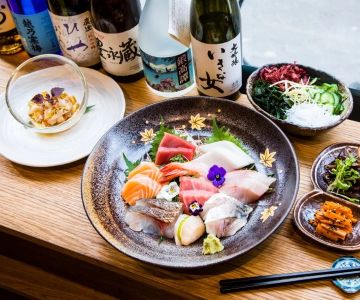
 LUYA Omakase & Wine Bar4.0 (43 reviews)
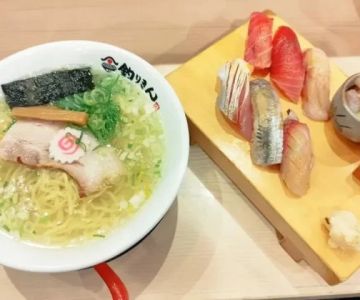
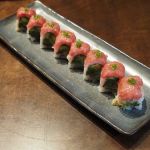 Hakumaru4.0 (103 reviews)
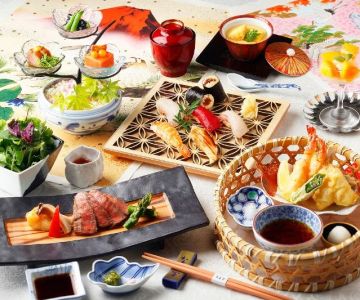
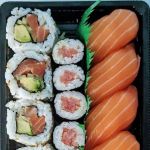 Little Tokyo Sushi4.0 (21 reviews)
 Teriyaki of Japan4.0 (692 reviews)
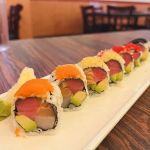 Ginza sushi & Cajun seafood4.0 (112 reviews)
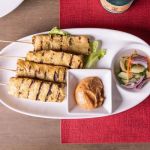 Asya Restaurant4.0 (70 reviews)
 An Insider’s Review of Miyabi Japanese Restaurant – Authentic Dining Experience
 Why Ichiban Japanese Restaurant is a Must-Try for Japanese Food Lovers
 Exploring the Menu at Sagami Japanese Restaurant – A Culinary Journey
 What Kind of Green Tea Do Japanese Restaurants Serve? A Deep Dive
 The History and Flavor Behind Best Japanese Restaurants Near Me
 What Makes Shirasoni Japanese Restaurant Stand Out Among Japanese Restaurants