
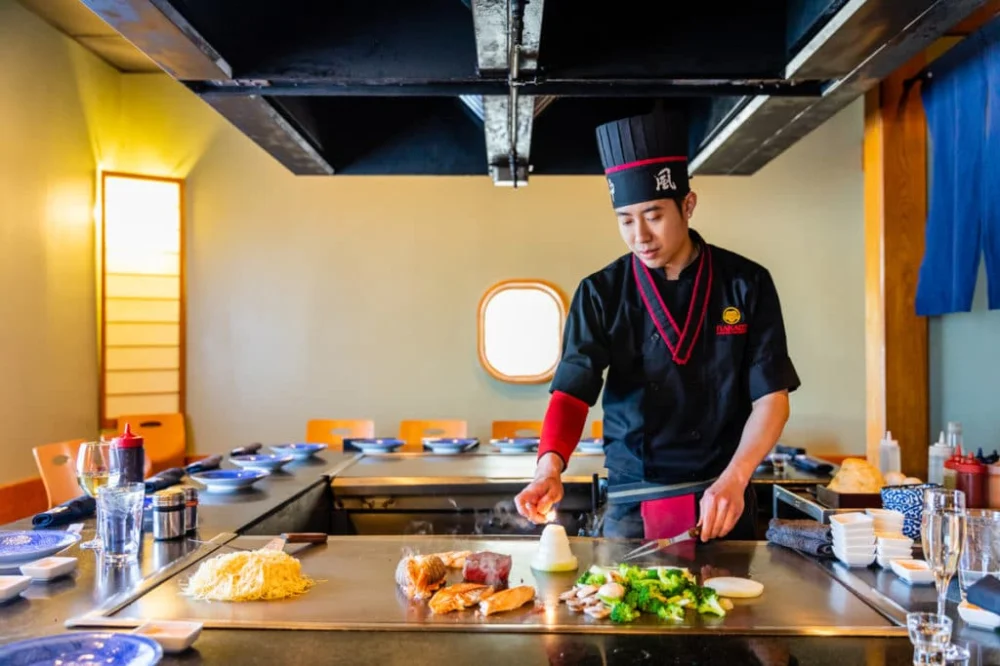
- basic-translation-how-to-say-restaurant-employee-in-japanese
- nuances-of-the-term-in-different-restaurant-settings
- real-conversations-and-phrases-to-use-in-japan
- when-to-use-each-term-and-what-to-avoid
- practice-with-japanese-restaurant
1. Basic Translation: How to Say Restaurant Employee in Japanese
If you’re learning Japanese or planning a trip to Japan, knowing how to refer to a restaurant employee is incredibly useful. The most direct way to say “restaurant employee” in Japanese is レストランの従業員 (resutoran no jūgyōin). It literally means “employee of a restaurant.”
However, in daily conversations, native Japanese speakers often use more specific or casual terms depending on the role. For instance, 店員 (ten'in) means “store or restaurant staff” and is a very common word used when speaking to or about waitstaff, cashiers, and general service employees.
2. Nuances of the Term in Different Restaurant Settings
2.1 Casual Restaurants and Fast Food
In fast food chains or small eateries, you might hear 店員さん (ten'in-san) as a polite form to address someone. It’s widely accepted and understood. You can say, “すみません、店員さん!” (“Excuse me, staff!”) to get a waiter’s attention.
2.2 Formal Dining and Hotel Restaurants
In more formal restaurants or traditional Japanese settings (like ryōtei), terms like 係 (kakari) or 接客係 (sekkyaku kakari) may be used to emphasize a service role. These imply a more specialized responsibility in guest relations.
2.3 Kitchen Staff and Behind-the-Scenes Roles
If you're referring to someone working in the kitchen, you could use 調理師 (chōrishi) for licensed cooks or 厨房スタッフ (chūbō sutaffu) for kitchen staff. Understanding these nuances helps avoid confusion, especially in a work or training setting.
3. Real Conversations and Phrases to Use in Japan
3.1 Getting a Waiter's Attention
One polite and effective phrase is: “すみません、注文をお願いします。” (“Excuse me, I’d like to order, please.”) followed by “店員さん、お願いします。” if you want to call for a restaurant employee.
3.2 Asking About Roles
If you're working or training in Japan and need to ask, “Are you a restaurant employee?” you can say: “レストランの従業員ですか?”
3.3 Cultural Context: Respect and Tone
In Japanese culture, tone matters. Always add “san” after “ten’in” unless speaking very casually. Japanese society values polite speech, especially in customer service roles. Being respectful can turn a tourist into a welcomed guest.
4. When to Use Each Term and What to Avoid
4.1 Public vs. Workplace Usage
Use 店員 in public when referring to service staff, but if you're working in a restaurant and referring to colleagues or describing roles on resumes, 従業員 is more formal and widely accepted.
4.2 Words That Might Sound Rude
Be cautious of omitting polite suffixes or using slang like バイト (baito) — a short form for “part-timer.” While common among youth, it’s not appropriate in formal or customer-facing contexts unless you're speaking to a peer.
4.3 Contextual Accuracy
“Employee” can cover multiple jobs, but in Japan, specificity adds clarity. If someone is a chef, calling them “staff” might seem dismissive. Instead, use 料理人 (ryōrinin) or シェフ (shefu) depending on formality and setting.
5. Practice with Japanese Restaurant
5.1 Learning from Authentic Staff Interactions
If you want to practice using terms like “ten’in” or “jūgyōin” in context, visiting a quality Japanese eatery is a great idea. Many locations listed on Japanese Restaurant provide real interactions with native staff, offering a perfect language immersion experience.
5.2 Roleplaying with Kids or Students
Whether you’re teaching or learning Japanese, roleplaying as a restaurant employee is a fun and educational exercise. Use terms like メニューをお持ちします (“I’ll bring the menu”) and ご注文はお決まりですか? (“Are you ready to order?”) for practice.
5.3 Cultural Enrichment Through Language
Mastering phrases like “how to say restaurant employee in Japanese” helps you connect with the local culture in meaningful ways. From casual ramen shops in Tokyo to sushi counters in Kyoto, understanding the language brings you closer to the people behind the experience.
 Genki Sushi4.0 (366 reviews)
 Omakase by Kanemaru5.0 (54 reviews)
 Ichijiku4.0 (20 reviews)
 Sushi Nikko4.0 (299 reviews)
 Wabi House Frisco4.0 (215 reviews)
 Gyu Shige (牛繁) Japanese BBQ4.0 (567 reviews)
 Why Yoshi Japanese Restaurant Is a Must-Try Spot for Japanese Food Lovers
 The History and Flavor Behind Best Japanese Restaurants Near Me
 Why Musashi Japanese Restaurant is a Must-Try for Japanese Food Lovers
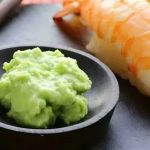 How Do Japanese Restaurants Make Wasabi? – Discover the Authentic Process
 How to Sit on the Floor at a Japanese Restaurant: Etiquette & Comfort Tips
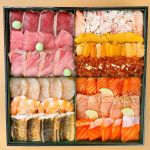 Signature Sushi and Ramen at Inaba Japanese Restaurant