
- amazon-japan-shipping-basics-step-by-step-guide
- japanese-food-ingredients-and-snacks-you-can-order
- forwarding-services-and-international-shipping-options
- costs-customs-and-delivery-time-explained
- real-life-shopping-experience-from-japan-to-usa
- how-to-avoid-mistakes-when-ordering-from-japan
- where-to-discover-authentic-japanese-food-online
Why More Americans Are Turning to Japan for Everyday Food Ingredients
In the last few years, interest in authentic Japanese cooking and snacks has grown rapidly across the United States. From homemade ramen nights to matcha desserts, many people are no longer satisfied with “Japanese-style” products found in local supermarkets. They want the real thing—ingredients and snacks produced and consumed in Japan.
This shift has made Amazon Japan shipping US searches explode in popularity. What used to feel like a complicated international process has now become surprisingly accessible. With the right setup, you can order miso paste, curry roux, Japanese chocolates, instant noodles, and even seasonal limited-edition snacks directly from Japan to your doorstep in America.
But the real question most beginners ask is simple: how does it actually work, and what should you expect when ordering food internationally?
Understanding How Amazon Japan Works for International Buyers
Direct Purchase vs Forwarding Services
Not every product on Amazon Japan can be shipped directly to the United States. Some sellers support international shipping, while others are restricted to domestic delivery within Japan. This is where forwarding services come in.
A forwarding service provides you with a Japanese address. You order your items there, and the service then ships everything to your US home. This method is widely used for Japanese food ingredients import and snack lovers who want access to the full catalog.
What You Need Before You Start
To begin shopping, you typically need:
A Japanese Amazon account (or Amazon Global account), a forwarding address if required, and a basic understanding of shipping fees and customs rules. While this might sound technical, most users find the process intuitive after their first order.
Step-by-Step Guide to Ordering Japanese Food to the US
Step 1: Searching for Authentic Products
Start by browsing categories like “food & beverages” or search directly for items such as ramen packs, curry kits, or Japanese snacks online US users commonly love. Popular brands include Calbee chips, Meiji chocolates, and Nissin instant noodles.
Many users are surprised at how diverse the selection is. You can even find regional specialties like Hokkaido corn soup or Kyoto matcha sweets that rarely appear outside Japan.
Step 2: Checking Shipping Eligibility
Before adding items to your cart, always check if the listing supports international delivery. If not, note that you’ll need a forwarding service.
Step 3: Using a Forwarding Address
Once you register with a forwarding provider, you receive a Japanese warehouse address. Enter this address during checkout. After your package arrives at the warehouse, the forwarding company will notify you and offer international shipping options to the US.
Step 4: Shipping to the United States
From Japan to the US, shipping usually takes between 5 and 14 days depending on the method you choose. Express shipping is faster but more expensive, while economy shipping is more budget-friendly.
Real-Life Example: A Home Chef’s Journey from California
One California-based home cook, inspired by Japanese cooking shows, decided to recreate authentic ramen at home. Local grocery stores only offered limited ingredients, so she turned to Amazon Japan shipping US options.
She ordered miso paste, dried seaweed, specialty soy sauce, and regional ramen noodles from different sellers. Using a forwarding service, everything arrived in one consolidated package within two weeks.
The result was surprisingly close to what she tasted in Tokyo during her vacation. This experience highlights how accessible global cuisine has become thanks to modern shipping solutions.
Costs, Customs, and What You Should Expect
Shipping Costs Breakdown
Shipping costs depend on weight, size, and speed. Small snack boxes may cost relatively little, while bulk food ingredients or glass bottles can significantly increase the price.
Customs and Import Rules
Food imports into the United States are generally allowed, but certain restrictions apply to fresh, perishable, or animal-based products. Most packaged snacks and dry goods pass customs without issues.
Occasionally, duties may be applied depending on total value. However, for most casual buyers, this is minimal or not applicable.
Hidden Costs to Watch
Some users overlook service fees from forwarding companies, repackaging charges, and insurance options. These can add up, especially for frequent shoppers.
Common Mistakes Beginners Make (and How to Avoid Them)
Ordering Without Checking Restrictions
One of the most common mistakes is assuming every product can be shipped internationally. Always verify product eligibility first.
Overpacking Orders
New users often combine too many items into one shipment, increasing customs scrutiny and shipping costs. Smaller, well-planned orders tend to move more smoothly.
Ignoring Seasonal Availability
Japanese snacks often follow seasonal releases. If you wait too long, limited-edition items may disappear quickly.
Why Japanese Food Delivery Has Become So Popular in the US
The rise in interest is not just about taste—it’s about experience. Japanese food culture emphasizes balance, quality ingredients, and unique seasonal flavors.
Platforms like Japanese Restaurant have also helped American consumers discover authentic brands and ingredients that were once difficult to access. This cultural bridge has made international food shopping feel more natural and exciting.
Social media trends also play a role. Viral videos showing Japanese convenience store snacks or instant noodle hacks often inspire viewers to try the same products at home.
Tips to Make Your First Order Smoother and More Cost-Effective
Start Small and Test the Process
Instead of ordering large quantities, begin with a small selection of snacks or ingredients. This helps you understand shipping time, packaging quality, and customs handling.
Group Orders for Better Value
Combining items into one shipment can reduce per-item shipping costs. However, balance this with customs thresholds and weight limits.
Track Seasonal Deals
Japanese retailers often run promotions during holidays. Watching these periods can help you save significantly on popular items.
Final Thoughts on Building Your Own Japanese Pantry in the US
Accessing authentic Japanese ingredients and snacks from the United States is no longer a niche hobby—it’s becoming a mainstream lifestyle choice. With tools like Amazon Japan and forwarding services, the distance between Tokyo and your kitchen counter has never felt shorter.
What starts as curiosity often turns into a long-term passion for cooking, tasting, and exploring Japanese food culture. Whether you're recreating street food flavors or simply enjoying a bag of rare chips, the experience brings something uniquely satisfying to everyday life.
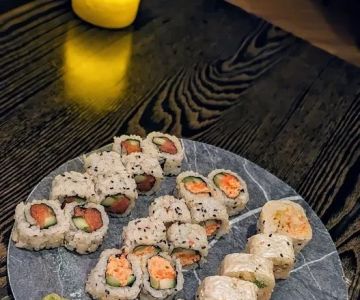
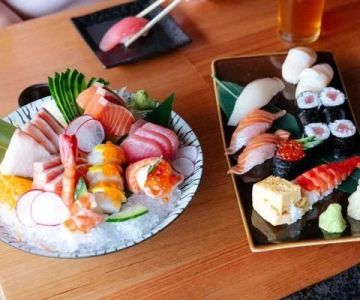
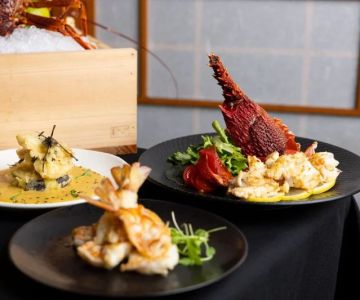
 Kuro Sushi4.0 (294 reviews)
 Hana Japanese Bistro4.0 (506 reviews)
 Kabuki4.0 (930 reviews)
 Kazoo Japanese Sushi Boat Restaurant4.0 (1106 reviews)
 Harney Sushi4.0 (1357 reviews)
 Wow Sushi4.0 (139 reviews)
 Top Dishes You Should Order at Chiba Japanese Restaurant
 The History, Craft, and Flavor of Sake – A Complete Guide to Sake in Japanese Restaurants
 An Insider’s Review of Sagami Japanese Restaurant
 The Complete Guide to Dining at Ami Japanese Restaurant: A Unique Experience
 An Insider's Review of Azuma Japanese Restaurant: Authentic Dining Experience
 What Salad Dressing Is Used in Japanese Restaurants?