
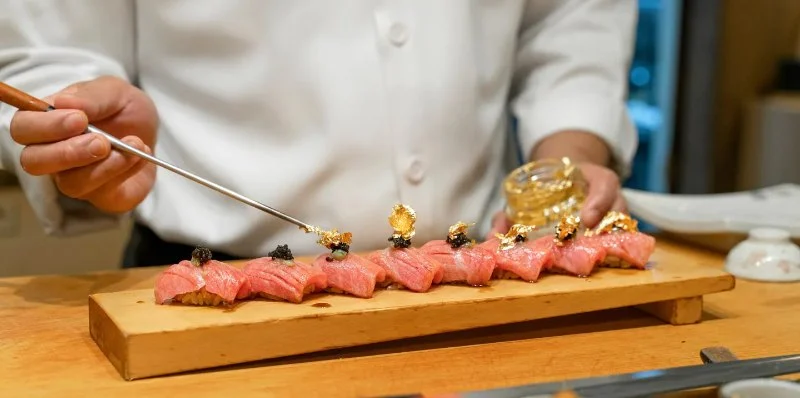
Why Omakase Feels Expensive—but Doesn’t Always Have to Be
- Understanding-what-omakase-really-means-and-why-pricing-varies-so-much
- The-difference-between-high-end-and-affordable-omakase-experiences
- Real-world-examples-of-budget-friendly-sushi-omakase-options
- How-to-enjoy-omakase-without-overpaying-or-losing-authenticity
When people first hear about omakase, the immediate assumption is usually the same: it must be extremely expensive. The phrase is omakase always super expensive or are affordable omakase experiences available is something many sushi lovers search after seeing $200–$500 menus in high-end restaurants.
But the reality is more nuanced. Omakase simply means “I leave it up to you,” where the chef curates a personalized dining experience. The price can vary widely depending on ingredients, location, chef reputation, and overall dining style.
What Makes Omakase Pricing So Different Between Restaurants
The cost of omakase is not random—it reflects several key factors. One of the biggest influences is ingredient quality. Premium restaurants often source rare seafood directly from Japan’s Toyosu Market, which significantly increases cost.
Another factor is the chef’s experience and reputation. A sushi chef with decades of training and international recognition will naturally charge more for their craftsmanship. The dining experience itself also plays a role, as high-end omakase often includes intimate counter seating, personalized interaction, and meticulously timed courses.
For example, in cities like New York or Los Angeles, high-end omakase restaurants often operate with limited seating, sometimes only 8–12 guests per session. This exclusivity increases demand and price.
Affordable Omakase: Yes, It Really Exists
Despite its luxury reputation, affordable omakase experiences are becoming increasingly common, especially in cities with growing Japanese food scenes. Many chefs are now offering shorter tasting menus or lunch omakase at significantly lower prices.
A typical budget-friendly omakase might range from $30 to $80, depending on the region. These experiences may include fewer courses or use more locally sourced fish, but still maintain the essential philosophy of chef-curated dining.
A real-world example comes from a small sushi bar in California that introduced a weekday lunch omakase for under $50. While it didn’t include premium toro or sea urchin, customers still received freshly prepared nigiri, seasonal appetizers, and miso soup crafted with care.
How High-End and Budget Omakase Really Compare
The biggest difference between luxury and affordable omakase is not necessarily taste, but complexity and exclusivity. High-end experiences often feature rare ingredients like A5 wagyu, premium uni, or aged fish prepared using traditional techniques.
In contrast, budget omakase focuses on simplicity and freshness. The chef may use seasonal fish available locally, adjusting the menu daily based on availability rather than importing rare ingredients.
Interestingly, many sushi enthusiasts argue that affordable omakase can sometimes feel more approachable and less intimidating, especially for first-time diners who are still learning about sushi styles.
The Role of Chef Creativity in Omakase Experiences
One of the most important aspects of omakase is trust. You are not ordering individually—you are relying on the chef’s creativity and judgment. This is true whether the meal costs $40 or $400.
Chefs often adjust menus based on what is freshest that day. This means two visits to the same restaurant can result in completely different experiences.
A well-known example comes from a Tokyo-trained chef who opened a small 10-seat omakase bar in Chicago. Instead of offering fixed pricing tiers, he created a rotating seasonal menu that allowed him to keep costs flexible while still maintaining authenticity.
Why Location Matters More Than You Think
Geography plays a major role in omakase pricing. In Japan, especially outside major cities like Tokyo, omakase can be surprisingly affordable due to local fish availability and lower operating costs.
In contrast, restaurants in major U.S. metropolitan areas often face higher rent, labor costs, and ingredient import fees, all of which influence menu pricing.
This is why the same type of omakase experience might cost $60 in one city and $250 in another.
How to Identify a Good Value Omakase Experience
Finding a good balance between price and quality requires attention to detail. One of the best indicators is menu structure. Transparent pricing and clearly listed course counts often suggest a more honest dining experience.
Another sign is chef interaction. Even in affordable settings, a skilled sushi chef will often explain fish origins, preparation methods, and seasonal choices.
A growing number of food enthusiasts rely on curated dining guides and platforms like Japanese Restaurant to discover omakase spots that balance authenticity with affordability.
Common Misconceptions About Omakase Pricing
Many people assume that higher price automatically means better quality, but that is not always true. While premium omakase often offers rare ingredients, it does not guarantee a better overall experience for every diner.
Another misconception is that affordable omakase is “less authentic.” In reality, many budget-friendly chefs are classically trained and simply adapt their menus to local markets and customer expectations.
The essence of omakase lies in trust and seasonality—not price alone.
Real Dining Story: A First-Time Omakase Experience
A first-time diner in Seattle shared their experience of trying a $65 omakase dinner after assuming all versions would be overpriced. Expecting a simple meal, they were surprised by the variety of dishes, from delicate sashimi to warm seasonal soups.
The chef explained each course personally, turning the experience into something educational as well as enjoyable. This completely changed the diner’s perception of what omakase could be.
How to Approach Omakase Without Overspending
If you’re curious about omakase but concerned about cost, starting with lunch menus or smaller tasting courses is a smart strategy. Many restaurants offer entry-level experiences designed specifically for newcomers.
Being flexible with timing and location also helps. Suburban areas or weekday reservations often provide better value compared to peak weekend dining in city centers.
Over time, you can gradually explore higher-end experiences as your understanding of sushi craftsmanship deepens.
Why Omakase Is More About Experience Than Price
At its core, omakase is about surrendering control and trusting the chef’s vision. Whether it costs $40 or $400, the value lies in freshness, creativity, and connection between chef and diner.
The question is omakase always super expensive or are affordable omakase experiences available ultimately has a simple answer: it depends on how and where you choose to experience it.
With the right expectations and guidance, omakase can be both accessible and deeply memorable.
 O Ramen4.0 (1560 reviews)
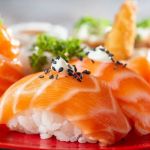 Sushi Town4.0 (161 reviews)
 Zen Sushi4.0 (349 reviews)
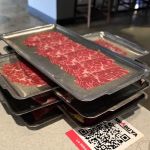 Shabuya - La Mirada4.0 (1212 reviews)
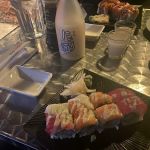 Mottsu3.0 (220 reviews)
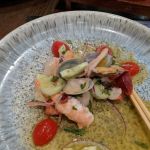 Nori sushi4.0 (132 reviews)
 Are You Allowed to Talk in Japanese Restaurants? Dining Etiquette Explained
 Signature Sushi and Ramen at Miyako Japanese Restaurant: A Must-Try Dining Experience
 What Do Japanese Restaurants Serve? Exploring Traditional and Modern Dishes
 Why Takara Japanese Restaurant Stands Out Among Japanese Restaurants
 The History and Flavor Behind Japanese Restaurant Boston
 Exploring the Menu at Fujiyama Japanese Restaurant