
- 1-what-salad-dressing-is-used-in-japanese-restaurants
- 2-the-origins-of-japanese-ginger-dressing
- 3-flavor-profile-and-key-ingredients
- 4-how-to-make-it-at-home
- 5-dressing-variations-in-different-japanese-restaurants
1. What Salad Dressing Is Used in Japanese Restaurants?
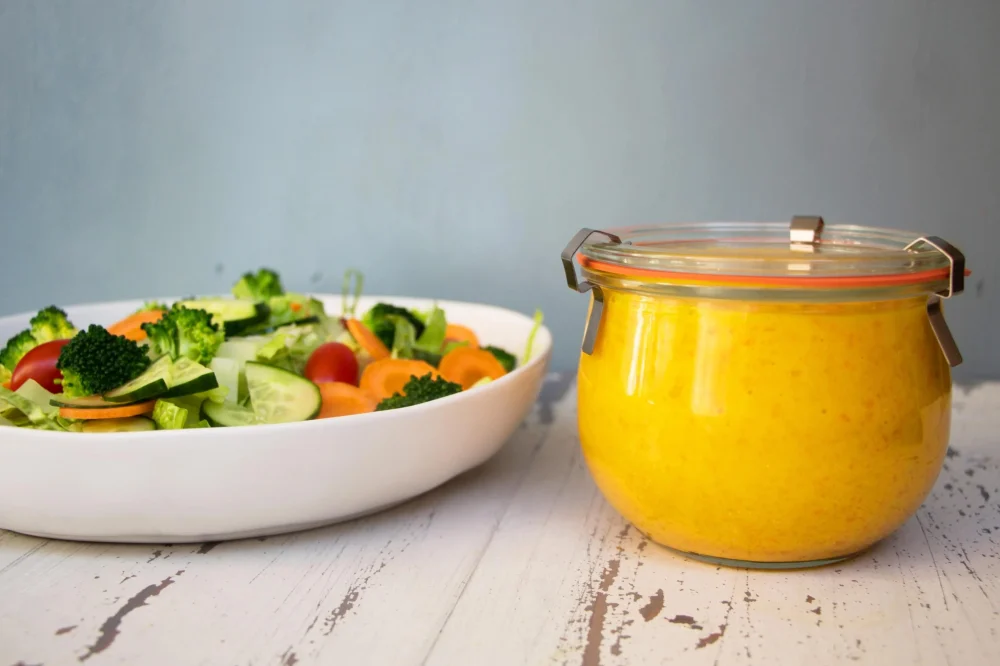
When you sit down for a meal at a Japanese restaurant and are served a crisp side salad, chances are it’s topped with a bold, slightly tangy, and delightfully savory ginger-based dressing. So, what salad dressing is used in Japanese restaurants? The most common and iconic answer is carrot-ginger dressing, also sometimes referred to as Japanese ginger dressing or miso-ginger dressing.
This dressing has become a staple on many Japanese-American menus and is instantly recognizable thanks to its bright orange color and zesty flavor. While recipes may vary slightly from place to place, the foundational components remain consistent and deeply rooted in Japanese culinary traditions.
2. The Origins of Japanese Ginger Dressing
Japanese ginger dressing has its roots in both traditional Japanese and Western-inspired fusion cuisine. While native Japanese dressings such as goma (sesame) and wafu (soy sauce-based) have long been used at home, the creamy ginger dressing seen in most U.S.-based Japanese restaurants became popular in the 1980s.
Chefs looking to cater to Western palates began incorporating blended carrots, onions, rice vinegar, soy sauce, and ginger to create a bold flavor profile that was still authentic but also visually appealing and more intense in taste. This cross-cultural innovation stuck—and now it’s practically expected when you order a salad at your neighborhood Japanese grill.
3. Flavor Profile and Key Ingredients
3.1 Balanced Sweetness and Acidity
One of the most defining features of Japanese salad dressing is its balance. Ginger brings heat and freshness, carrots add natural sweetness, and rice vinegar lends a subtle tartness. Soy sauce provides the umami depth while sesame oil adds a toasty richness.
3.2 Common Ingredients
Here’s a look at what typically goes into a classic Japanese restaurant-style ginger dressing:
- Fresh ginger root (grated or chopped)
- Carrots
- Onions (yellow or sweet)
- Rice vinegar
- Soy sauce
- Sesame oil
- Neutral oil (like canola or sunflower)
- A touch of sugar or honey
Some versions may also include miso paste for added depth or garlic for extra bite.
4. How to Make It at Home
4.1 Quick Blender Method
If you're craving that restaurant-style salad dressing, you can easily recreate it in your kitchen. Simply blend all the ingredients until smooth, then chill before serving. A good homemade dressing should be thick but pourable, with just enough texture to cling to greens like romaine, iceberg, or shredded cabbage.
4.2 Storage Tips
Homemade ginger dressing can be stored in the refrigerator for up to a week in an airtight container. Shake well before each use, as the ingredients may separate over time.
5. Dressing Variations in Different Japanese Restaurants
While the carrot-ginger style is most widespread in Western countries, Japanese restaurants in Japan often use a wider range of dressings depending on the region and chef’s preference. For instance:
- Wafu Dressing: A lighter soy-sauce base often combined with mirin and grated daikon.
- Goma Dressing: A nutty sesame-based dressing using ground toasted sesame seeds and soy sauce.
- Miso-Ginger Dressing: A richer variation of the classic ginger type, enhanced with miso paste.
Some upscale restaurants may even create their own signature versions to complement specific salad ingredients or seasonal vegetables.
If you're a fan of Japanese flavors and want to explore different dressing types, be sure to explore curated offerings at Japanese Restaurant, where chefs and suppliers handpick ingredients true to authentic taste.
 Fuji at Ink Block4.0 (722 reviews)
 Hibachi Ko5.0 (1 reviews)
 Oishi Restaurant4.0 (658 reviews)
 Teriyaki House Grill4.0 (243 reviews)
 SenKaKu Hibachi and Sushi4.0 (399 reviews)
 BENIHANA4.0 (30 reviews)
 What Kind of Green Tea Do Japanese Restaurants Serve? A Deep Dive
 Signature Sushi and Ramen at Nikko Japanese Restaurant - A Delicious Dining Experience
 What Makes Shima Japanese Restaurant Stand Out Among Japanese Restaurants
 A-Tan's Japanese Restaurant San Marcos TX Menu Highlights and Dining Guide
 How to Make Japanese Restaurant Seaweed Salad at Home
 What Salad Dressing Is Used in Japanese Restaurants?