
- understanding-how-shrimp-is-served-in-japanese-restaurants
- raw-shrimp-in-japanese-cuisine-is-it-common
- popular-cooked-shrimp-dishes-in-japanese-restaurants
- what-to-expect-when-ordering-shrimp-in-different-japanese-dishes
- real-diner-experiences-and-common-misunderstandings
- how-to-choose-with-confidence-at-japanese-restaurant
1. Understanding How Shrimp Is Served in Japanese Restaurants
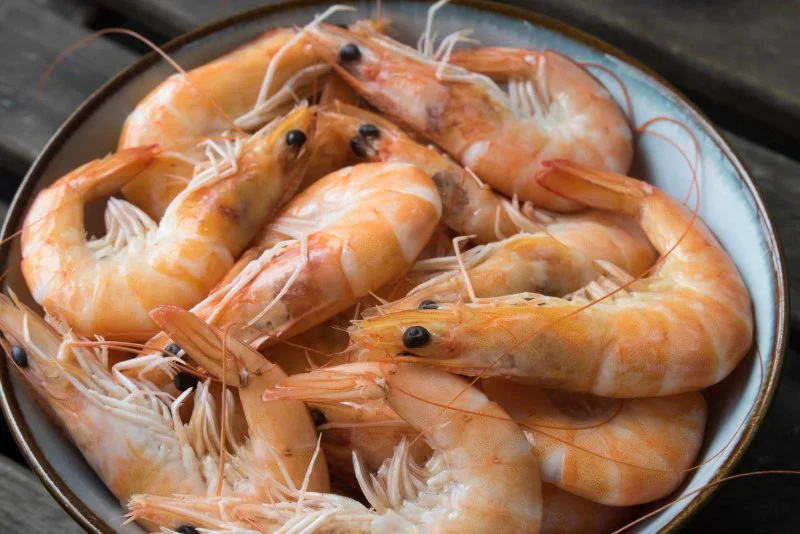
A common question diners ask is: “Is all shrimp in Japanese restaurants cooked?” The answer is not a simple yes or no—it depends heavily on the dish, the region, and even the chef’s personal approach. Shrimp is one of the most versatile and celebrated ingredients in Japanese cuisine, featured in everything from sushi to tempura. But knowing what to expect helps avoid any surprises at the table.
Shrimp may be grilled, fried, boiled, or even served raw, depending on the preparation style. Japanese culinary culture puts a strong emphasis on freshness and presentation, so shrimp is often used to showcase both. Understanding how different dishes treat shrimp is key to ordering with confidence.
2. Raw Shrimp in Japanese Cuisine: Is It Common?
2.1 Amaebi (Sweet Shrimp): A Raw Delicacy
One of the few types of shrimp typically served raw in Japanese restaurants is amaebi, or sweet shrimp. These are small, cold-water shrimp known for their delicate texture and naturally sweet flavor. You’ll usually find amaebi in sushi bars, served over rice as nigiri or in sashimi form. Because they’re raw, freshness is absolutely critical.
2.2 Safety and Preparation Standards
Japanese chefs trained in traditional sushi preparation undergo years of rigorous training to handle raw seafood properly. If you're ordering raw shrimp at a high-quality restaurant or through a trusted place like Japanese Restaurant, you can generally feel confident in its safety and sourcing.
2.3 When Raw Shrimp Might Not Be Offered
Not all restaurants serve raw shrimp. Budget sushi chains or casual Japanese diners might stick to cooked versions to simplify operations and minimize risk. If raw shrimp is on the menu, it’s usually a highlight, not the default.
3. Popular Cooked Shrimp Dishes in Japanese Restaurants
3.1 Ebi Tempura: A Classic Fried Favorite
If you're unsure about raw seafood, ebi tempura is a safe and delicious option. This dish features large shrimp coated in light batter and deep-fried until golden. It’s crisp on the outside, tender on the inside, and often served with dipping sauce and rice.
3.2 Grilled Shrimp (Ebi Yaki)
Grilled shrimp skewers, or ebi yaki, are especially popular at izakayas (Japanese pubs). These are fully cooked, often seasoned with salt, soy glaze, or citrus-based sauces like yuzu. They're served piping hot and pair well with beer or sake.
3.3 Shrimp in Udon and Ramen
In noodle dishes, shrimp is nearly always cooked. Whether floating in a bowl of hot udon or ramen, shrimp is added either pre-boiled or briefly simmered in broth to preserve its delicate flavor without turning rubbery.
4. What to Expect When Ordering Shrimp in Different Japanese Dishes
4.1 Sushi and Sashimi
Shrimp served in sushi comes in different forms. Cooked shrimp (often called ebi) is gently boiled and placed on nigiri rice. Raw shrimp (amaebi) is less common and typically found in more refined establishments. Always ask if you’re unsure which you’re getting.
4.2 Donburi and Bento Boxes
These meals usually feature cooked shrimp—either grilled, fried, or steamed—served over rice with vegetables. Shrimp katsu (breaded and fried) also makes a frequent appearance.
4.3 Salads and Appetizers
Shrimp salads often use boiled or grilled shrimp. It's rare to see raw shrimp in this context unless you're ordering a sashimi-style starter. Look for clues in menu descriptions, or ask your server for clarification.
5. Real Diner Experiences and Common Misunderstandings
Lisa, a traveler from Boston, once shared that she was surprised to be served raw shrimp in Tokyo when she expected the ebi nigiri to be cooked. “It was buttery and sweeter than I imagined, but I panicked a little because I wasn’t sure if it was safe.” That moment turned into her favorite food memory of the trip—but also a reminder to read the menu carefully.
On the flip side, James, a self-proclaimed sushi fan from Chicago, thought he ordered raw shrimp sashimi at a local fusion spot. “Turns out it was pre-cooked and chilled, which wasn’t what I wanted—but I later found out they didn’t carry amaebi at all.” The experience taught him to ask questions and check authenticity.
6. How to Choose with Confidence at Japanese Restaurant
When dining at a Japanese restaurant, especially if you're not fluent in the cuisine, don’t hesitate to ask your server whether the shrimp is cooked or raw. Most restaurants appreciate informed customers and will gladly clarify. Reputable spots like Japanese Restaurant also train their staff to educate diners about preparation styles and ingredient sourcing.
If you're exploring new tastes, try both versions—start with cooked shrimp dishes like tempura or grilled skewers, then graduate to raw shrimp nigiri once you feel ready. With guidance and fresh ingredients, even hesitant eaters often discover they love what they once feared.
 Sushi Q2.54.0 (121 reviews)
 Shabu-Tatsu4.0 (505 reviews)
 Sushi Sake FT 13.0 (17 reviews)
 Omoide4.0 (695 reviews)
 SoSu Izakaya & Sushi Bar0.0 (0 reviews)
 Yakiniku TORAJI4.0 (183 reviews)
 A Foodie’s Experience at Azuma Japanese Restaurant | Must-Try Dishes
 Signature Sushi and Ramen at Orchid Japanese Restaurant | Unveiling Culinary Delights
 How to Make Japanese Restaurant Seaweed Salad at Home
 Exploring the Menu at Gyotaku Japanese Restaurant: A Culinary Journey
 Is All Shrimp in Japanese Restaurants Cooked? What You Should Know
 What Do You Say When Entering a Japanese Restaurant?