
- greeting-etiquette-in-a-japanese-restaurant
- what-do-you-say-when-entering-a-japanese-restaurant
- why-saying-irasshaimase-matters
- customer-response-do-you-need-to-say-anything-back
- more-than-words-body-language-and-culture
- a-real-experience-at-a-japanese-restaurant
- experience-true-hospitality-at-japanese-restaurant
1. Greeting Etiquette in a Japanese Restaurant
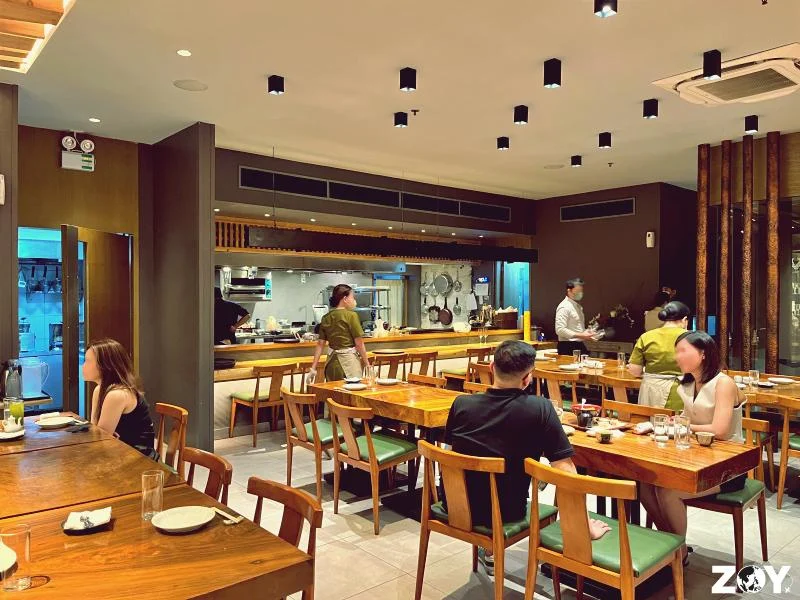
Dining in a Japanese restaurant is about more than just delicious food—it's also about embracing the culture, including how you enter and are welcomed. For first-timers, the question often arises: what do you say when entering a Japanese restaurant? The answer is both simple and rooted in tradition.
Japan’s hospitality culture, known as omotenashi, puts a strong emphasis on warm, respectful greetings. Understanding what to expect and how to respond when you walk through the door helps you feel more confident and respectful during your dining experience.
2. What Do You Say When Entering a Japanese Restaurant?
The standard greeting you’ll hear is “Irasshaimase!” (いらっしゃいませ), which roughly means “Welcome!” or “Come in!” This is a traditional phrase used by staff in Japanese restaurants and shops when a customer enters. It’s not necessarily a conversation starter, but a signal of attentiveness and politeness.
As a guest, you don’t need to say anything specific in return—simply smiling, nodding, or offering a soft “hello” or “konnichiwa” (こんにちは) is enough. The key is acknowledging the staff’s welcome, even with just your body language.
3. Why Saying “Irasshaimase” Matters
“Irasshaimase” is deeply embedded in Japanese service culture. It’s not just a greeting—it’s a form of customer care. In fact, in many traditional restaurants across Japan and Japanese-run establishments in the U.S., including California or New York, staff will often call this out loudly the moment you enter.
This enthusiastic welcome sets the tone, offering a sense of being noticed and respected. While it may feel intense at first, it’s a hallmark of the experience and part of what makes Japanese dining feel so unique and personal.
4. Customer Response: Do You Need to Say Anything Back?
A common question tourists and diners ask is whether they should respond with “Irasshaimase” themselves. The answer is no—it’s a phrase exclusively used by hosts or staff. If you respond at all, keep it simple. A polite bow of the head or a smile is more than enough. If you speak Japanese, a quiet “konnichiwa” or “yoroshiku onegaishimasu” is respectful.
More than language, awareness and courtesy matter most. Being present, respectful, and appreciative of the welcome goes a long way in Japanese etiquette, especially in restaurants that pride themselves on authenticity.
5. More Than Words: Body Language and Culture
In Japanese culture, non-verbal communication often carries as much weight as spoken language. So even if you’re not fluent, your posture, facial expressions, and reactions speak volumes. When you enter a restaurant, stand confidently, acknowledge the greeting with a gentle nod or slight bow, and look staff in the eye with a warm demeanor.
This silent communication, paired with the vocal “Irasshaimase,” creates an unspoken contract of respect between host and guest. You don’t have to speak perfect Japanese to fit in—you just need to carry yourself with grace and openness.
6. A Real Experience at a Japanese Restaurant
Marcus, a traveler from San Diego, shared his first experience dining in an authentic Japanese-owned sushi bar in Los Angeles. “I walked in and the entire staff shouted something—it startled me, but then I saw their smiles. It felt like a performance, but in the best way. I just nodded and smiled, and one of the chefs winked at me like, ‘You got it.’” That kind of connection, however brief, stuck with him.
These moments happen all the time in Japanese restaurants around the world—and they’re part of what makes the experience feel so elevated. It’s not just about food; it’s about feeling truly welcomed.
7. Experience True Hospitality at Japanese Restaurant
If you want to explore real Japanese dining traditions and hospitality, visiting an establishment that honors these customs is essential. At Japanese Restaurant, you’ll find not only exceptional dishes crafted with care, but also a true cultural experience from the moment you step in.
Whether you’re a seasoned traveler or a curious first-timer, understanding what to say—or simply how to respond—with respect makes every meal richer. Come with an open mind, and let the greeting of “Irasshaimase” be your invitation into something more than a meal.
 Sushi Q2.54.0 (121 reviews)
 Shabu-Tatsu4.0 (505 reviews)
 Sushi Sake FT 13.0 (17 reviews)
 Omoide4.0 (695 reviews)
 SoSu Izakaya & Sushi Bar0.0 (0 reviews)
 Yakiniku TORAJI4.0 (183 reviews)
 A Foodie’s Experience at Azuma Japanese Restaurant | Must-Try Dishes
 Signature Sushi and Ramen at Orchid Japanese Restaurant | Unveiling Culinary Delights
 How to Make Japanese Restaurant Seaweed Salad at Home
 Exploring the Menu at Gyotaku Japanese Restaurant: A Culinary Journey
 Is All Shrimp in Japanese Restaurants Cooked? What You Should Know
 What Do You Say When Entering a Japanese Restaurant?