
- 1. The History of Sushi
- 2. Different Types of Sushi and Their Unique Flavors
- 3. Sushi Restaurants in Japan: A Culinary Tradition
- 4. The Global Spread of Sushi
- 5. Why Sushi Is So Popular Worldwide
1. The History of Sushi
Sushi, a dish consisting primarily of vinegared rice combined with various ingredients such as seafood, vegetables, and occasionally tropical fruits, is a cornerstone of Japanese cuisine. Its origins can be traced back to ancient times, where the practice of fermenting fish in rice to preserve it was developed in Southeast Asia. This process was known as *nare-zushi*.
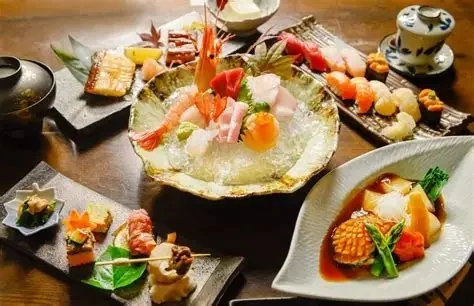
Over time, this preservation method evolved in Japan into the sushi we recognize today. By the Edo period (1603-1868), the dish became a popular fast food, with *Edomae-zushi* (today's nigiri sushi) emerging as the main form. This modern version, which consists of raw fish placed on top of small rice balls, was created to cater to the busy lifestyle of Tokyo’s (then Edo) residents. Sushi underwent further refinement and regional variations, ultimately becoming a global culinary phenomenon.
2. Different Types of Sushi and Their Unique Flavors
The variety of sushi available in restaurants today is vast. Here are some of the most popular types and the unique flavors they offer:
- Nigiri Sushi: A hand-pressed ball of rice topped with a slice of fresh seafood. The flavor profile varies depending on the topping, such as tuna (*maguro*), salmon (*sake*), or shrimp (*ebi*), often accompanied by a touch of wasabi.
- Maki Sushi: Sushi rolls made by wrapping vinegared rice and fillings (like cucumber, avocado, or fish) in seaweed. *Hosomaki* (small rolls) and *uramaki* (inside-out rolls) are common variations, with different fillings creating different flavor combinations.
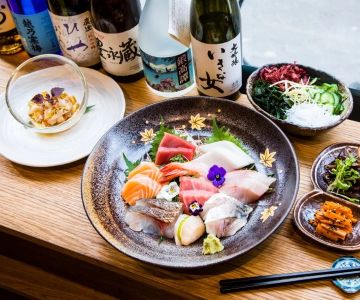
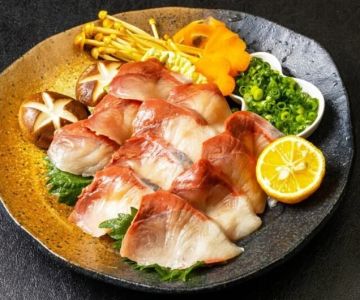
- Sashimi: Thinly sliced raw fish or seafood, served without rice. While not technically sushi, sashimi is often enjoyed alongside sushi to highlight the natural flavors of fresh fish.
- Temaki Sushi: Also known as hand rolls, these are cone-shaped seaweed wrappers filled with rice and various sushi fillings, providing a more casual and hands-on sushi experience.
The flavors of sushi are often enhanced with dipping sauces like soy sauce, or garnishes such as pickled ginger (*gari*) and wasabi. Each topping offers a unique experience, with different textures and flavors that complement the delicate rice underneath.
3. Sushi Restaurants in Japan: A Culinary Tradition
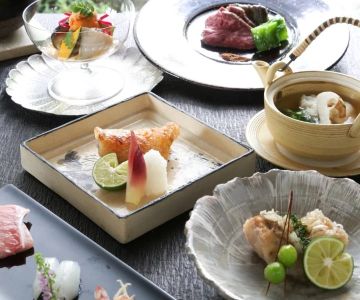
Sushi restaurants in Japan vary in style and approach, but they all emphasize high-quality ingredients and attention to detail. Traditional *sushi-ya* (sushi restaurants) in Japan often feature an omakase-style menu, where diners place their trust in the chef to select the freshest fish and create a series of sushi courses tailored to their preferences.
A unique feature of these restaurants is the sushi chef’s ability to balance the flavors, textures, and presentation of each piece of sushi. The process of preparing and serving sushi involves not only skillful knife work but also an understanding of how each type of fish should be served, whether raw, seared, or marinated.
4. The Global Spread of Sushi
Sushi’s appeal has extended far beyond Japan. With the rise of Japanese culture worldwide, sushi restaurants have become common in cities across the globe. From high-end sushi bars to conveyor-belt sushi restaurants, this culinary tradition has been embraced by food lovers of all cultures.
Sushi’s ability to adapt to local tastes is part of its global appeal. In the U.S., for example, the introduction of the California roll, which features ingredients like avocado and crab, catered to Western palates and helped sushi gain popularity in the 1980s. This fusion of traditional Japanese techniques with local ingredients has led to a variety of innovative sushi types that reflect regional tastes.
5. Why Sushi Is So Popular Worldwide
Sushi’s rise to worldwide fame can be attributed to several factors. One reason is its health benefits: sushi is typically low in calories and high in protein, with fish like salmon and tuna offering valuable omega-3 fatty acids. Furthermore, sushi’s versatility allows it to cater to a wide range of dietary preferences, from pescatarians to vegetarians.
Another factor is its aesthetic appeal. The artistry involved in creating sushi, with its beautiful presentation and attention to detail, makes it a visually striking dish that is also delicious. The experience of dining at a sushi restaurant is as much about the ambiance and service as it is about the flavors of the food.
Lastly, sushi represents a cultural tradition that many people find intriguing and meaningful. As more people travel to Japan or experience Japanese cuisine, the appreciation for authentic sushi continues to grow. For food enthusiasts, the opportunity to taste sushi in its place of origin, or in a skilled sushi restaurant abroad, is a unique and enriching experience.
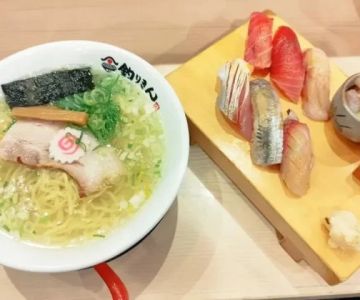

 Nori Sushi and Ramen4.0 (133 reviews)
 Hon Sushi4.0 (543 reviews)
 Arigato Sushi4.0 (68 reviews)
 Kenzo4.0 (729 reviews)
 Sarku Japan Teriyaki & Sushi Express4.0 (225 reviews)
 Inaka Sushi & Bar4.0 (564 reviews)
 Is Benihana a Japanese Restaurant? Exploring Its Identity and Influence
 What to Order in a Japanese Restaurant: Expert Picks for Every Diner
 Signature Sushi and Ramen at Suteishi Japanese Restaurant
 What Food Is Served at a Japanese Restaurant?
 A Foodie’s Experience at Sapporo Japanese Restaurant
 How to Leave a Restaurant in Japanese: Cultural Etiquette and Phrases