Japanese Restaurant
Japanese Food BlogJapanese Restaurant Near Me
ArizonaCaliforniaColoradoConnecticutDelawareDistrict of ColumbiaFloridaGeorgiaIllinoisIndianaIowaKansasKentuckyLouisianaMarylandMassachusettsMichiganMinnesotaMississippiMissouriNebraskaNevadaNew HampshireNew JerseyNew MexicoNew YorkNorth CarolinaOhioOklahomaOregonPennsylvaniaRhode IslandSouth CarolinaTennesseeTexasVirginiaWashingtonWest VirginiaWisconsin
Japanese RestaurantJapanese Food Blog

The Rich History and Flavor Behind Inakaya Japanese Restaurant

The Rich History and Flavor Behind Inakaya Japanese Restaurant

1. Inakaya's Origins and History

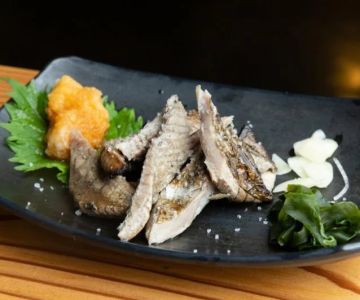
Inakaya is a renowned Japanese restaurant chain known for offering an authentic dining experience steeped in tradition. Its roots trace back to Tokyo, where the original Inakaya restaurant was established in the 1970s. Inspired by the concept of "robata-yaki," a traditional Japanese method of grilling food over open flames, Inakaya quickly became famous for its lively atmosphere and unique approach to Japanese cuisine.The Concept: The name "Inakaya" itself means "country house" in Japanese, reflecting the restaurant's connection to traditional Japanese rural life. The original Inakaya restaurant was a rustic, open-air grill house, where customers could watch their food being prepared right in front of them.Cultural Significance: The essence of Inakaya lies in its focus on providing an authentic and interactive dining experience. In Japan, robata grilling is often a social event, where diners gather around the grill, share stories, and enjoy fresh ingredients cooked to perfection.

2. What Makes Inakaya Unique?

Inakaya's uniqueness lies in its combination of traditional cooking techniques, high-quality ingredients, and engaging atmosphere. Several key features set Inakaya apart from other Japanese dining establishments:Interactive Dining: Inakaya’s "open-kitchen" concept allows diners to witness the cooking process firsthand. Chefs grill meats, seafood, and vegetables in front of guests, enhancing the dining experience with live cooking performances.Robata Grill: The use of the robata grill is central to Inakaya's culinary style. This method of cooking imparts a smoky, charred flavor to the food, creating a deep umami taste that defines many of their dishes.Fresh Ingredients: Inakaya is committed to sourcing only the freshest seasonal ingredients. This commitment ensures that the flavors are vibrant, authentic, and deeply connected to the Japanese culinary tradition.

3. Signature Dishes and Flavors at Inakaya

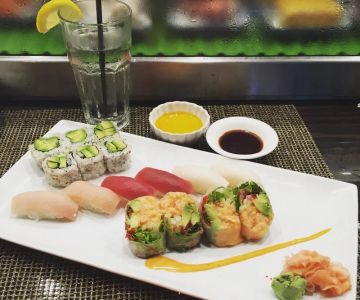
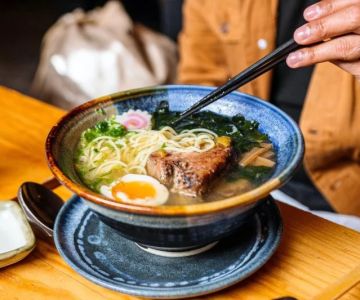
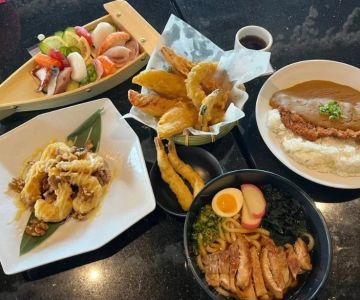
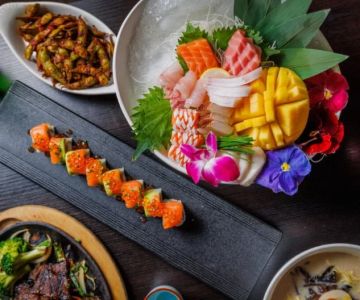
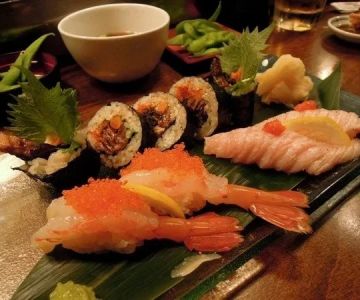
Inakaya offers a diverse menu that highlights the richness of Japanese cuisine. Some of the signature dishes that have become synonymous with Inakaya include:Robata-Grilled Seafood and Meat: At Inakaya, customers can choose from a variety of seafood, including fresh scallops, shrimp, and fish, as well as meats like wagyu beef and chicken. The robata grill gives these dishes a distinct smoky flavor that is both savory and tender.Sashimi and Sushi: Inakaya serves high-quality sashimi and sushi, with fish that is delivered fresh to their restaurants daily. Their sushi rolls are meticulously prepared, balancing the freshness of the fish with perfectly seasoned rice.Japanese Rice Dishes: A range of rice dishes, from donburi (rice bowls topped with meat or seafood) to the classic Japanese rice and miso soup combo, feature prominently in Inakaya's offerings.Inakaya's Signature Hot Pot: One of the standout offerings at Inakaya is their traditional hot pot dishes, where ingredients are slowly simmered in a rich broth, allowing the flavors to meld and intensify.

4. The Inakaya Dining Experience

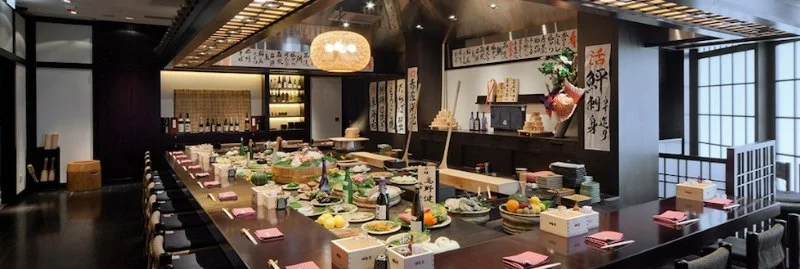
Dining at Inakaya is more than just a meal—it's an immersive cultural experience. As you enter, the lively energy of the restaurant is palpable, with the sounds of sizzling grills and chefs calling out orders. Here’s what you can expect when dining at Inakaya:Engaging Atmosphere: The dynamic atmosphere of Inakaya is one of its defining characteristics. The chefs interact with the customers, creating an engaging and lively dining experience. The communal nature of robata grilling encourages conversation and sharing among diners.Ambiance and Decor: The decor reflects traditional Japanese aesthetics with natural wood, paper lanterns, and subtle touches of modern design. The combination of old and new creates a warm and welcoming space for diners to enjoy.Attention to Detail: From the presentation of each dish to the precise grilling technique, Inakaya places a strong emphasis on quality and craftsmanship. Each dish is thoughtfully prepared and served with the utmost care.

5. Why Inakaya Is a Must-Visit Japanese Restaurant

Inakaya stands out not only for its incredible food but also for its cultural significance. Whether you're an experienced foodie or a first-time diner, here’s why Inakaya should be on your radar:Authenticity: Inakaya offers an authentic Japanese dining experience that transports you straight to the heart of Japan. The traditional cooking methods and commitment to fresh ingredients ensure that each dish is as authentic as it is delicious.Cultural Experience: The restaurant’s interactive atmosphere gives diners a sense of connection to Japanese traditions, making it a great choice for anyone interested in learning more about Japanese food culture.Versatility: Inakaya’s menu caters to a wide range of tastes and dietary preferences, offering everything from fresh seafood to meat and vegetarian options.

6. Inakaya and the Future of Japanese Dining

As Japanese cuisine continues to evolve and adapt to global tastes, Inakaya remains committed to its roots while embracing new innovations. By staying true to traditional methods while incorporating contemporary culinary trends, Inakaya is shaping the future of Japanese dining:Global Expansion: Inakaya has expanded beyond Japan, with several locations around the world, offering diners an authentic taste of Japan in cities like New York, Los Angeles, and Singapore.Sustainability: As the demand for sustainable practices grows, Inakaya has adopted eco-friendly initiatives, such as sourcing sustainably harvested seafood and reducing food waste, to ensure a more sustainable future for Japanese dining.

Trending Blog Articles

Popular Blog Posts

Categories

Top Visited Sites

Must-Read Japanese Food Blog Posts

Top Japanese Restaurant Searches

Trending Japanese Food Blog Posts