
- 1 - meaning-behind-japanese-restaurant-greeting
- 2 - commonly-used-greetings-and-their-pronunciation
- 3 - how-greetings-shape-customer-experience
- 4 - greeting-culture-in-different-types-of-japanese-restaurants
- 5 - real-story-from-a-tokyo-izakaya
- 6 - what-to-expect-as-a-customer
- 7 - explore-authentic-dining-with-japanese-restaurant
1. Meaning Behind Japanese Restaurant Greeting
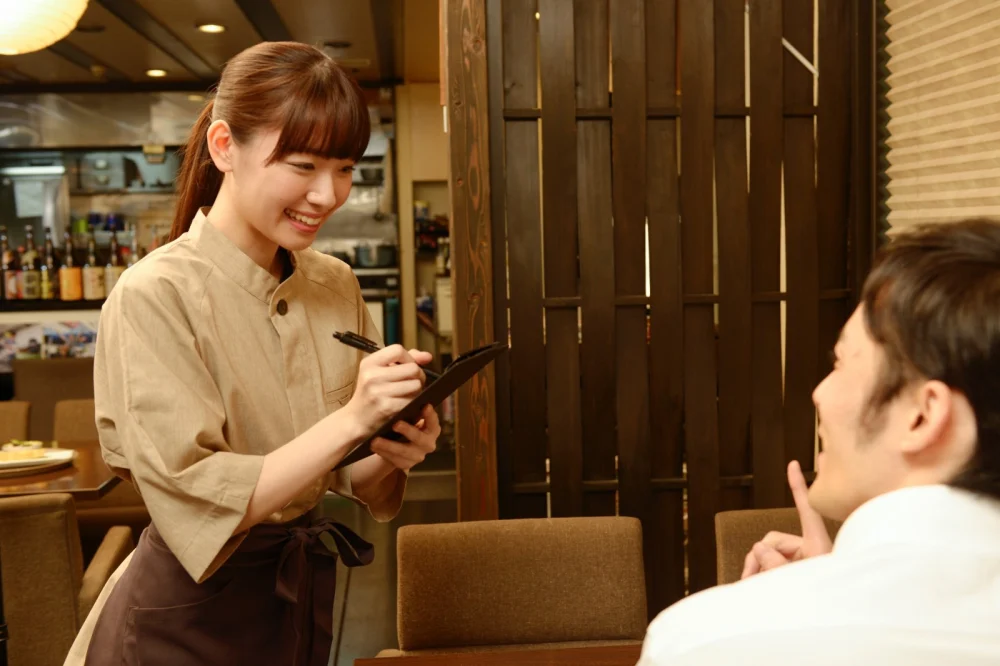
If you’ve ever walked into a Japanese restaurant and been greeted with a hearty shout of “Irasshaimase!” you’ve witnessed a deeply rooted cultural practice. This greeting, meaning “Welcome” or “Please come in,” is not just polite—it’s an essential part of Japanese service etiquette. It signals attentiveness, respect, and warmth, embodying Japan’s customer-first philosophy.
2. Commonly Used Greetings and Their Pronunciation
“Irasshaimase” (いらっしゃいませ) is the most iconic greeting, often delivered in a sing-song tone. But others include:
– “Arigatou gozaimasu” (ありがとうございます): A polite thank you, often said when customers leave.
– “Omatase shimashita” (お待たせしました): Meaning “Thank you for waiting,” often used when serving food.
– “Douzo” (どうぞ): A gentle “Please” when offering a menu or seating guests.
These phrases are said with sincerity and are a part of every staff member’s training.
3. How Greetings Shape Customer Experience
The impact of these greetings on a dining experience is subtle but powerful. Many first-time travelers to Japan report feeling “acknowledged instantly” upon entering a restaurant. It’s a ritual of immediate inclusion. When every staff member chants “Irasshaimase” in unison, it creates an energetic and welcoming atmosphere that distinguishes Japanese hospitality from others around the world.
4. Greeting Culture in Different Types of Japanese Restaurants
Whether it’s a high-end omakase sushi bar or a busy ramen shop, greetings vary slightly in tone and delivery:
– In fine dining, the greeting is often soft, poised, and accompanied by a bow.
– In casual eateries, it’s louder and more cheerful to match the informal setting.
– In izakayas, the welcome is enthusiastic and even humorous at times, helping guests relax.
This adaptability keeps the greeting authentic and context-appropriate.
5. Real Story from a Tokyo Izakaya
At a popular izakaya in Shibuya, the manager once recalled how a returning tourist said the loud greeting made them feel “like home in a city of strangers.” That guest brought four more friends the next night. The simple, shouted welcome—full of energy—had turned into a memory worth sharing. In Japanese hospitality, emotional connection often starts with the first spoken word.
6. What to Expect as a Customer
If you’re new to Japanese dining culture, don’t worry—no response is needed to “Irasshaimase.” Just smile or nod, and continue to your seat. It’s a one-way greeting meant to make you feel seen, not to prompt interaction. However, understanding it makes your experience more enriching and shows appreciation for the effort put into creating that welcoming environment.
7. Explore Authentic Dining with Japanese Restaurant
If you’re curious to explore more venues that preserve this kind of traditional charm, visit Japanese Restaurant. It’s your best resource to find restaurants that value cultural hospitality, proper etiquette, and an unforgettable welcome. Whether you're seeking a quiet meal or a lively street-side ramen experience, the right place often starts with the right greeting.
 Sushi Q2.54.0 (121 reviews)
 Shabu-Tatsu4.0 (505 reviews)
 Sushi Sake FT 13.0 (17 reviews)
 Omoide4.0 (695 reviews)
 SoSu Izakaya & Sushi Bar0.0 (0 reviews)
 Yakiniku TORAJI4.0 (183 reviews)
 A Foodie’s Experience at Azuma Japanese Restaurant | Must-Try Dishes
 Signature Sushi and Ramen at Orchid Japanese Restaurant | Unveiling Culinary Delights
 How to Make Japanese Restaurant Seaweed Salad at Home
 Exploring the Menu at Gyotaku Japanese Restaurant: A Culinary Journey
 Is All Shrimp in Japanese Restaurants Cooked? What You Should Know
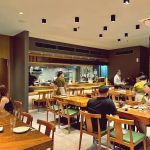 What Do You Say When Entering a Japanese Restaurant?