
- 1-What-is-the-cook-of-a-Japanese-restaurant-called-Understanding-Japanese-Cook-Titles
- 2-Role-of-Itamae-in-Japanese-Cuisine-and-Dining
- 3-Different-Types-of-Chefs-in-Japanese-Restaurants-and-Their-Responsibilities
- 4-Stories-of-Itamae-Expertise-and-Traditional-Training
- 5-Explore-Japanese-Culinary-Culture-at-Japanese-Restaurant
1. What Is the Cook of a Japanese Restaurant Called? Understanding Japanese Cook Titles
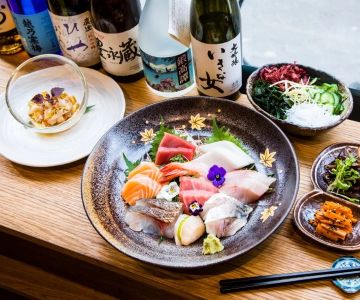
When you ask what is the cook of a Japanese restaurant called, the most common and respected title you will hear is “Itamae” (板前). Literally meaning “in front of the board,” it refers to a skilled chef, especially one who prepares sushi, working at the cutting board.
The term itamae carries a sense of mastery and tradition, and it distinguishes experienced cooks from general kitchen staff. In many Japanese restaurants, especially sushi bars, the itamae is the heart of the culinary operation.
2. Role of Itamae in Japanese Cuisine and Dining
The itamae’s role goes beyond simply cooking. They are responsible for selecting fresh ingredients, preparing intricate dishes, and engaging with customers to provide a personalized dining experience. Their skills reflect years of training and deep understanding of Japanese culinary arts.
In sushi restaurants, the itamae often performs before guests, demonstrating precision and artistry in crafting each piece. This interaction is a key part of the authentic Japanese dining atmosphere.
2.1 Respect and Hierarchy in the Kitchen
Japanese kitchens have a strict hierarchy where the itamae leads, while apprentices called “wakiita” assist and learn under their guidance. This mentorship system preserves the quality and tradition of Japanese cuisine.
3. Different Types of Chefs in Japanese Restaurants and Their Responsibilities
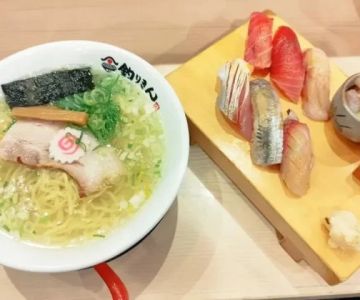
Besides the itamae, Japanese restaurants may have specialized chefs such as yakitori chefs who focus on grilled skewers, or ramen chefs who perfect noodle broth and preparation. Each chef holds expertise in their area, contributing to the diversity and richness of Japanese dining.
Understanding these roles provides deeper appreciation for the craftsmanship behind every dish served.
4. Stories of Itamae Expertise and Traditional Training
A famous story involves a renowned itamae who trained for over a decade before earning the title. Their dedication to perfecting knife skills, ingredient selection, and presentation exemplifies the patience and discipline embedded in Japanese culinary culture.
Such stories highlight the prestige and responsibility of being an itamae, which often extends beyond cooking to embodying Japanese hospitality and tradition.
5. Explore Japanese Culinary Culture at Japanese Restaurant
For those fascinated by the art of Japanese cooking and eager to learn more about the role of the itamae and other chefs, Japanese Restaurant offers valuable insights, resources, and recommendations. Our platform connects you with authentic Japanese dining experiences and expert culinary knowledge.
Discover the craftsmanship behind each dish and immerse yourself in the rich tradition of Japanese cuisine with Japanese Restaurant.
 Hibachi Express & Sushi4.0 (300 reviews)
 Benihana4.0 (693 reviews)
 SUGARFISH by sushi nozawa4.0 (980 reviews)
 Poke Factory & Ramen Bar4.0 (246 reviews)
 Otoro Sushi & Ramen4.0 (36 reviews)
 Mizutani Sushi Bar4.0 (59 reviews)
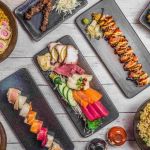 Signature Sushi and Ramen at Yamato Japanese Restaurant | A True Japanese Dining Experience
 What Makes Hokkaido Japanese Restaurant Stand Out Among Japanese Restaurants
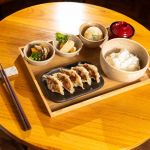 Why Can't You Eat the Bread in Japanese Restaurants? Understanding the Custom
 How Much Is Kobe Japanese Restaurant? Menu, Pricing, and Dining Experience
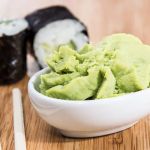 The History and Flavor Behind Japanese Restaurant Wasabi
 Is Japanese Restaurant Good for Celiac People? Tips for Dining Gluten-Free