
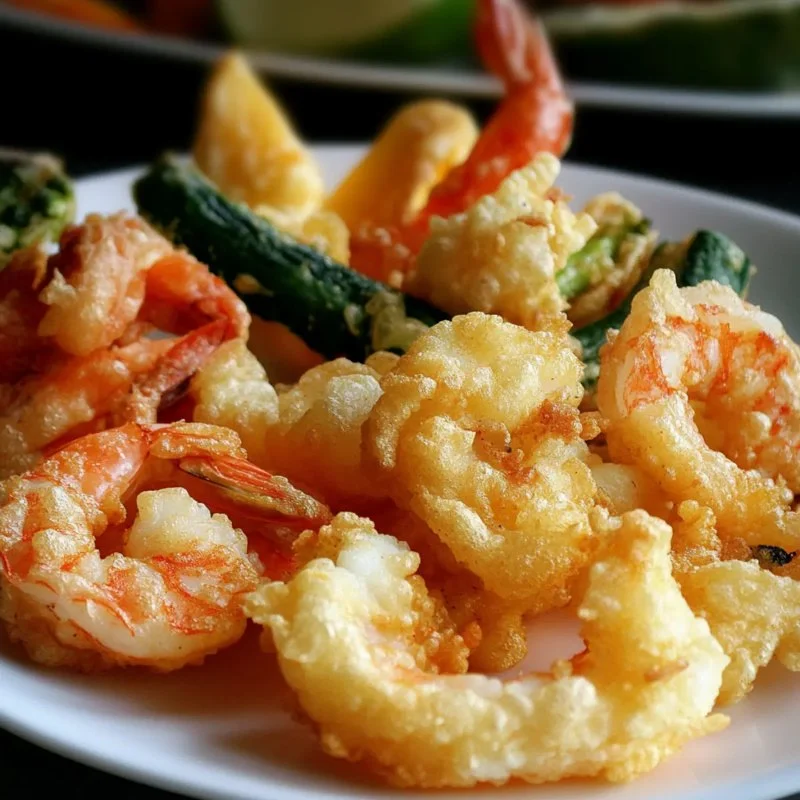
The Secret Behind Light and Crispy Gluten-Free Tempura at Home
- 1 - Why Traditional Tempura Relies on Wheat Flour - #traditional-tempura-basics
- 2 - Understanding Gluten-Free Substitutes in Frying Batter - #gluten-free-alternatives
- 3 - The Science Behind Rice Flour and Potato Starch Crispiness - #crispy-batter-science
- 4 - Step-by-Step Gluten-Free Tempura Batter Method - #tempura-batter-recipe
- 5 - Real Home Cooking Story: First Attempt at Gluten-Free Tempura - #home-cooking-experience
- 6 - Common Mistakes That Make Tempura Heavy Instead of Light - #tempura-mistakes
- 7 - Oil Temperature and Frying Technique Explained - #frying-temperature-guide
- 8 - Vegetable and Seafood Choices for Best Results - #tempura-ingredients
- 9 - Texture Comparison: Gluten vs Gluten-Free Batter - #texture-comparison
- 10 - How to Keep Tempura Crispy After Frying - #crispy-maintenance
- 11 - Where to Find Authentic Japanese Cooking Inspiration - #japanese-cooking-resources
Why Traditional Tempura Relies on Wheat Flour
When people first ask can you make gluten-free tempura, the immediate concern is whether wheat flour is essential. Traditional Japanese tempura relies on wheat flour because gluten helps bind ingredients and creates a slightly structured coating.
However, that structure is exactly what can make tempura heavy if overmixed. Classic chefs often emphasize minimal gluten development to keep the batter light. This opens the door for alternatives like rice flour and starch-based blends.
Why Less Gluten Can Actually Improve Texture
In tempura, too much gluten leads to chewy, bread-like coating instead of the signature airy crispness. That’s why gluten-free versions can actually perform better when done correctly.
Understanding Gluten-Free Substitutes in Frying Batter
Modern gluten-free tempura cooking focuses on replacing wheat flour with ingredients that create crisp texture without elasticity.
Rice Flour as a Base Ingredient
Rice flour provides a fine, neutral base that fries into a delicate crunch. It absorbs less oil compared to wheat flour, making it ideal for light coatings.
Potato Starch for Extra Crispiness
Potato starch is often used to enhance crunch and create that signature “snap” when biting into tempura. It helps form a thin, crispy shell.
The Science Behind Rice Flour and Potato Starch Crispiness
The combination of rice flour and potato starch creates a balance between structure and crispness in a crispy gluten-free batter.
Moisture Evaporation During Frying
When the batter hits hot oil, moisture rapidly evaporates. Starch molecules set quickly, forming a fragile but crisp shell around the food.
Why Cold Batter Matters
Keeping the batter cold slows gluten-free starch activation and improves texture. Many chefs even use ice water to maintain consistency.
Step-by-Step Gluten-Free Tempura Batter Method
Making rice flour tempura batter at home is surprisingly simple when you understand the ratios and technique.
Basic Ingredient Structure
A balanced mixture typically includes rice flour, potato starch, cold sparkling water, and a pinch of salt.
Mixing Technique Without Overworking
The batter should be mixed lightly, leaving small lumps. Overmixing leads to density, even in gluten-free versions.
Consistency Check
The ideal batter should lightly coat a spoon but still drip easily. If it feels too thick, a splash of cold water helps restore balance.
Real Home Cooking Story: First Attempt at Gluten-Free Tempura
A home cook in California shared their experience trying Japanese tempura recipe gluten-free for the first time after being diagnosed with gluten sensitivity.
At first, the batter turned out too thick, resulting in heavy, oily vegetables. After switching to a rice flour and potato starch blend, the second attempt produced light, restaurant-style crispiness.
The biggest surprise was that guests couldn’t even tell it was gluten-free. The texture was nearly identical to traditional tempura.
Common Mistakes That Make Tempura Heavy Instead of Light
Even experienced cooks struggle with achieving perfect homemade tempura coating.
Overmixing the Batter
This is the most common issue. Overmixing activates starch too much, creating a dense coating.
Using Warm Batter
Warm batter absorbs more oil, leading to greasy results instead of crisp texture.
Incorrect Ingredient Ratios
Too much rice flour without starch reduces crispness, while too much starch can make coating fragile.
Oil Temperature and Frying Technique Explained
Frying temperature is one of the most important factors in gluten-free frying techniques.
Ideal Temperature Range
Most tempura fries best between 340°F and 360°F. This ensures quick crust formation without oil absorption.
Batch Frying for Consistency
Adding too many pieces at once lowers oil temperature, resulting in uneven cooking.
Vegetable and Seafood Choices for Best Results
Not all ingredients behave the same in gluten-free batter.
Best Vegetables for Tempura
Sweet potato, zucchini, eggplant, and mushrooms hold batter well and fry evenly.
Seafood Options
Shrimp remains the most popular choice due to its natural sweetness and quick cooking time.
Texture Comparison: Gluten vs Gluten-Free Batter
When comparing traditional tempura to potato starch tempura, the difference lies in texture behavior.
Traditional Wheat-Based Batter
Slightly chewy interior with structured coating.
Gluten-Free Rice Flour Blend
Lighter, more delicate crunch with less oil absorption.
How to Keep Tempura Crispy After Frying
Even perfect tempura can lose its texture if not handled properly after cooking.
Proper Cooling Method
Placing tempura on a wire rack prevents steam buildup and keeps coating crisp.
Avoiding Stack Moisture
Stacking fried pieces traps heat and moisture, softening the crust quickly.
Where to Find Authentic Japanese Cooking Inspiration
Exploring authentic techniques can elevate home cooking significantly. Many chefs recommend learning from professional kitchens or curated platforms that specialize in Japanese cuisine.
Resources like Japanese Restaurant provide ingredient guidance, technique breakdowns, and inspiration for mastering dishes like gluten-free tempura using rice flour and potato starch.


 Sushi Nami Paoli4.0 (269 reviews)
 Jinpachi4.0 (136 reviews)
 Banzai4.0 (346 reviews)
 Mirin Cafe4.0 (773 reviews)
 Teriyaki Express4.0 (10 reviews)
 Toriya4.0 (174 reviews)
 What Makes Yellowtail Japanese Restaurant & Lounge Menu Stand Out Among Japanese Restaurants
 The History and Flavor Behind Yutaka Japanese Restaurant – Discover Authentic Dining
 What Makes Waraji Japanese Restaurant Stand Out Among Japanese Restaurants
 Why Douzo Modern Japanese Restaurant Boston is a Must-Try Spot for Japanese Food Lovers
 Why Yama Japanese Restaurant Is a Must-Try Spot for Japanese Food Lovers | Best Japanese Cuisine
 What Makes Ebisu Japanese Restaurant Stand Out Among Japanese Restaurants