
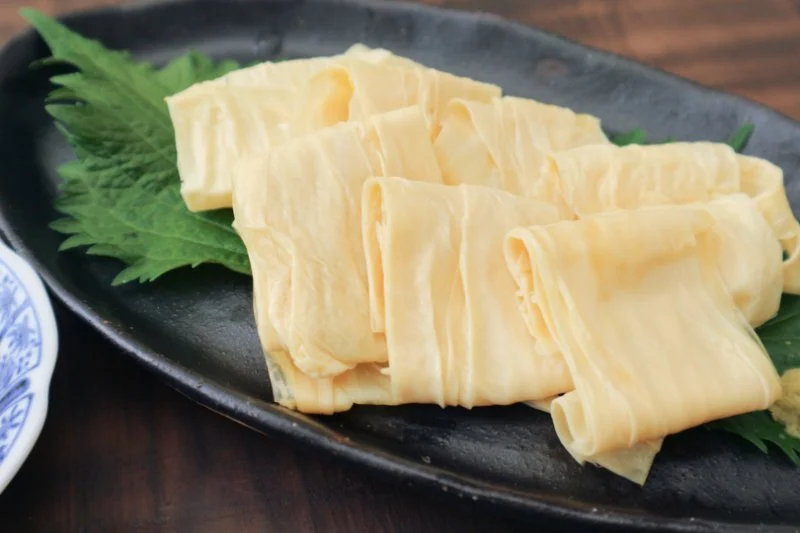
Understanding What Yuba Tofu Skin Really Is in Japanese Cuisine
- -what-is-yuba-tofu-skin-and-how-to-eat-japanese-bean-curd-sheets-definition-and-basics
- -how-japanese-bean-curd-sheets-are-made-from-soy-milk-process-explained
- -best-ways-to-eat-yuba-tofu-skin-traditional-and-modern-methods
- -nutritional-value-and-why-yuba-is-considered-a-superfood-in-japan
- -real-life-japanese-restaurant-experiences-and-yuba-serving-styles
- -easy-home-recipes-using-soybean-skin-sheets
- -common-mistakes-when-cooking-yuba-and-how-to-avoid-them
- -where-to-try-authentic-yuba-dishes-in-japanese-cuisine-culture
If you have ever explored a traditional Japanese hot pot or visited a refined kaiseki meal, you may have already encountered yuba tofu skin without fully realizing it. Known in English as Japanese bean curd sheets, yuba is one of those ingredients that feels simple at first glance but carries centuries of culinary tradition and craftsmanship.
At its core, yuba is formed from soy milk. When heated, a delicate film develops on the surface. This film is carefully lifted and dried, creating thin, silky sheets that are both nutritious and versatile. In many parts of Japan, especially Kyoto, yuba is considered a refined ingredient often associated with temple cuisine and seasonal dining.
Many travelers first discover it at a traditional Japanese restaurant, where it is served fresh, layered, or gently simmered. In places that specialize in plant-based or seasonal Japanese cuisine, such as Japanese Restaurant, yuba is often highlighted as a premium ingredient because of its texture and cultural significance.
The Traditional Craft Behind Japanese Bean Curd Sheets
Making yuba is not a rushed process. It is deeply tied to patience and precision. High-quality soybeans are soaked, ground, and turned into soy milk. The milk is then gently heated in shallow pans. As it warms, a natural protein film forms on the surface.
This film is what becomes yuba tofu skin. Skilled artisans carefully lift it using bamboo sticks, ensuring the sheet remains intact. The thickness can vary depending on how quickly it is collected and how many layers are formed.
In Japan, this process is still preserved in traditional tofu shops, especially in Kyoto, where yuba production is considered an art form passed down through generations.
How Yuba Tofu Skin Is Used in Everyday Japanese Cooking
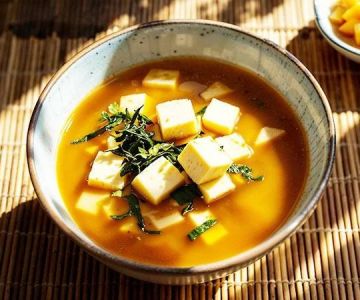
One of the most interesting aspects of yuba is its versatility. It can be eaten fresh, dried, simmered, or even fried. The texture is soft yet slightly chewy, with a mild soy flavor that absorbs sauces beautifully.
In hot pot dishes like sukiyaki or shabu-shabu, yuba is added near the end of cooking so it gently absorbs the broth without losing its delicate structure. It becomes silky and rich, blending perfectly with vegetables and meats.
In modern Japanese cuisine, chefs also use yuba as a wrap for vegetables or seafood, similar to how thin pasta sheets are used in Italian cooking. This fusion approach has made yuba more popular among younger diners and international food lovers.
How to Eat Japanese Bean Curd Sheets the Right Way
If you are new to yuba, the easiest way to start is with fresh sheets served chilled or lightly warmed. A simple dipping sauce made from soy sauce, ginger, or citrus ponzu enhances its natural flavor without overpowering it.
Another popular method is wrapping yuba around fillings such as avocado, mushrooms, or tofu-based fillings. This creates a balanced bite that combines creaminess with subtle umami richness.
Some chefs even recommend pairing yuba with rice dishes, where it acts as a protein-rich topping that adds texture without heaviness.
For those exploring plant-based diets, yuba tofu skin is especially appealing because it offers a satisfying mouthfeel while being completely derived from soybeans.
Real Dining Experiences and Cultural Context of Yuba
A traveler once described their first encounter with yuba in Kyoto as “eating silk with flavor.” That description captures the essence perfectly. It is not a bold or overpowering ingredient—it is subtle, refined, and meant to be appreciated slowly.
In traditional kaiseki meals, yuba often appears as one of the earlier courses, signaling purity and seasonal awareness. It reflects the Japanese culinary philosophy of respecting ingredients rather than masking them.
Restaurants specializing in traditional dining, such as Japanese Restaurant, often present yuba in multiple textures within a single course, showcasing its range from soft sheets to lightly fried variations.
Nutritional Value and Why Yuba Is Considered a Superfood
Beyond taste, yuba is valued for its nutrition. It is high in plant-based protein, low in carbohydrates, and contains essential amino acids derived from soybeans.
For people reducing meat consumption, yuba provides a satisfying alternative that does not feel like a compromise. Its texture makes it especially useful in dishes where a meaty bite is desired without actual meat.
It also contains healthy fats and minerals that support balanced nutrition, making it a common ingredient in vegetarian temple cuisine.
Simple Ways to Cook Yuba at Home Without Overcomplicating It
Cooking yuba at home does not require advanced culinary skills. The key is to respect its delicate structure. Overcooking or using overly strong sauces can easily mask its natural flavor.
One easy preparation method is to briefly soak dried yuba sheets in warm water until they soften, then add them to soups or stir-fries at the final stage of cooking.
Another approach is pan-searing lightly rehydrated yuba with a touch of sesame oil and soy glaze, creating a slightly crispy exterior while keeping the inside tender.
Some home cooks even use yuba as a substitute for pasta sheets in layered dishes, offering a lighter and protein-rich alternative.
Common Mistakes When Working With Yuba Tofu Skin
A frequent mistake is treating yuba like regular tofu. While both come from soybeans, their textures are completely different. Yuba is fragile and requires gentle handling.
Another issue is excessive seasoning. Because yuba already carries a subtle soy richness, heavy sauces can overpower its natural taste.
Finally, improper storage can affect quality. Fresh yuba should be consumed quickly, while dried sheets should be kept in a cool, dry place to preserve texture.
Where Yuba Fits in Modern Japanese Food Culture
Today, yuba tofu skin is experiencing renewed popularity outside Japan as plant-based diets gain global attention. Chefs in modern fusion restaurants are experimenting with it in salads, wraps, and even vegan sushi alternatives.
At the same time, traditional establishments continue to preserve its classic preparation methods, ensuring that the cultural heritage remains intact.
For anyone exploring authentic Japanese cuisine, visiting a place like Japanese Restaurant offers a meaningful way to experience yuba in its most authentic form.
Final Thoughts on Experiencing Yuba in Everyday Cooking
Understanding what yuba tofu skin is goes beyond identifying it as a food ingredient. It represents a culinary tradition rooted in patience, craftsmanship, and respect for natural flavors.
Whether enjoyed in a traditional setting, incorporated into modern dishes, or prepared at home, Japanese bean curd sheets offer a unique combination of texture, nutrition, and cultural depth that continues to attract food lovers worldwide.


 Ramen DANBO Park Slope4.0 (1366 reviews)
 MR HIBACHI LOCO FOOD TRUCK4.0 (27 reviews)
 Kenji Sushi4.0 (113 reviews)
 Sakura Teriyaki4.0 (304 reviews)
 Sushi Maki2.0 (8 reviews)
 House Of Yakitori 24.0 (795 reviews)
 The Complete Guide to Dining at Tekka Japanese Restaurant
 How Much Is Kobe Japanese Restaurant? Menu, Pricing, and Dining Experience
 What Makes Bozu Japanese Restaurant Stand Out Among Japanese Restaurants
 Why Kiku Japanese Restaurant Is a Must-Try Spot for Japanese Food Lovers
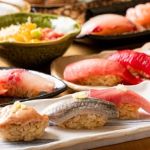 Top Dishes You Should Order at Hanaoka Japanese Restaurant
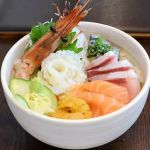 The History and Flavor Behind Japanese Restaurant Boston