
What Is Somen and How to Eat Cold Japanese Noodles in Summer With Dipping Sauce
- somen-basics-japanese-noodles - Understanding thin wheat noodles and their cultural role in Japan
- cold-noodles-summer-tradition - Why chilled noodles become essential during hot Japanese summers
- dipping-sauce-guide-tsuyu - How the traditional Japanese dipping sauce enhances flavor
- eating-etiquette-methods - Proper way to enjoy somen in authentic style
- regional-stories-japan-summer-food - Real-life traditions and seasonal eating culture
- home-preparation-tips - How to recreate somen experience at home
The Meaning Behind Somen in Japanese Food Culture
Somen noodles are one of the most refreshing staples in Japanese summer cuisine. These extremely thin wheat noodles are typically served cold and paired with a light dipping sauce known as tsuyu. When people ask what somen is, the answer goes beyond food—it represents seasonal balance, simplicity, and relief from Japan’s humid summer heat.
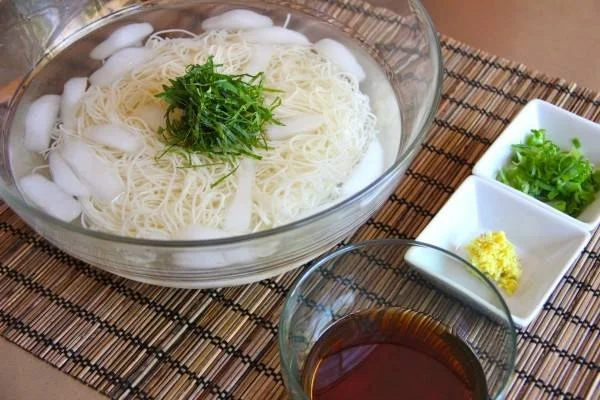
Unlike heavier noodle dishes such as ramen or udon, somen is intentionally light. The noodles are often chilled in ice water after boiling, giving them a smooth texture and refreshing bite. This makes them one of the most popular cold Japanese noodles during hot weather.
Why Somen Became a Summer Essential
Japan’s summers can be extremely humid, especially in cities like Tokyo and Osaka. Traditional diets adapted by focusing on cooling ingredients. Somen became a household favorite because it is easy to digest, quick to prepare, and incredibly refreshing.
Families often gather around the table during summer afternoons to enjoy somen together, sometimes even using the famous “nagashi somen” bamboo slide tradition where noodles flow through cold running water.
How Cold Japanese Noodles Are Served the Traditional Way
Boiling and Cooling Process
The preparation of somen is simple but precise. The noodles are boiled for a short time—usually only a few minutes—then immediately rinsed under cold running water. This removes excess starch and stops the cooking process instantly.
After rinsing, the noodles are placed in ice water to maintain their firm texture. This step is essential for achieving the signature smoothness of cold Japanese noodles.
Presentation Style in Japanese Homes
In traditional households, somen is often served on a bamboo tray or glass bowl filled with ice. This not only keeps the noodles cold but also enhances the dining experience visually.
Small dipping bowls of tsuyu are placed alongside, often with chopped green onions, grated ginger, and sometimes wasabi for added flavor complexity.
Understanding Japanese Dipping Sauce (Tsuyu)
The heart of eating somen lies in its dipping sauce. Tsuyu is a flavorful blend made from soy sauce, dashi (fish broth), and mirin. It creates a balanced umami profile that complements the subtle taste of the noodles.
Flavor Layers in Tsuyu
The soy sauce provides saltiness, dashi adds depth and umami richness, and mirin introduces a gentle sweetness. When combined, the sauce becomes a perfect contrast to the cold, neutral taste of somen noodles.
Some modern variations include citrus elements like yuzu or lemon to make the dipping experience even more refreshing.
How to Eat Somen Properly for the Best Experience
Step-by-Step Eating Method
To fully enjoy somen, the noodles are picked up using chopsticks, lightly dipped into the tsuyu sauce, and then eaten in one smooth motion. The goal is not to soak the noodles but to lightly coat them with flavor.
This method ensures that each bite retains both the refreshing cold texture and the savory depth of the dipping sauce.
Common Mistakes First-Time Eaters Make
Many beginners over-soak noodles in sauce, which can overpower the delicate taste. Others forget to keep the noodles cold, which changes the entire eating experience.
Proper balance is key—light dipping and continuous chilling are essential for authentic enjoyment of chilled noodles Japan style.
Real Story: A Summer Memory in Kyoto
A traveler visiting Kyoto during peak summer once described somen as the “quiet relief meal” after a long day exploring temples under intense heat. At a small family-run restaurant, the owner served somen with homemade tsuyu and fresh mountain herbs.
The experience was memorable not just for the taste, but for the rhythm of eating slowly, cooling down, and appreciating simplicity. It highlighted how somen is not just food—it is a cultural pause in the middle of a hot, fast-paced day.
How to Prepare Somen at Home Like a Japanese Restaurant
Recreating somen at home is surprisingly easy. All you need are quality noodles, tsuyu sauce, ice water, and fresh toppings. However, attention to detail is what transforms a simple dish into a restaurant-level experience.
For those who want authentic ingredients and preparation tools, exploring options through Japanese Restaurant resources can help you find specialty noodles and traditional dipping sauces that elevate the dish significantly.
Essential Ingredients Checklist
High-quality somen noodles, authentic tsuyu base, fresh ginger, green onions, and optional seasonal vegetables are key components. Some households also add tempura or grilled fish for a more complete meal experience.
Seasonal Variations Across Japan
Different regions in Japan interpret somen in unique ways. In southern regions, lighter and more citrus-based sauces are preferred, while northern areas may include richer dashi flavors.
This diversity reflects how somen adapts to local climates and preferences while maintaining its core identity as a refreshing summer dish.
Modern Restaurant Interpretations
In contemporary Japanese restaurants, chefs experiment with cold noodles by adding seafood toppings, spicy dipping sauces, or even fusion ingredients. Despite innovation, the essence of simplicity remains unchanged.
The Cultural Role of Somen in Modern Life
Even in today’s fast-paced urban Japan, somen continues to hold emotional value. It is often associated with family gatherings, summer holidays, and nostalgic childhood memories.
For many Japanese people, the sound of boiling water and the sight of ice-filled noodle bowls immediately signals the arrival of summer.


 Izakaya Sozai4.0 (617 reviews)
 KOI ASIAN BISTRO & Sushi4.0 (252 reviews)
 Ginzaya4.0 (215 reviews)
 Takara Ayce4.0 (69 reviews)
 RAKIRAKI Ramen & Tsukemen4.0 (89 reviews)
 Bento House4.0 (502 reviews)
 Why Locals Recommend Good Japanese Restaurants in NYC
 The History and Flavor Behind Takara Japanese Restaurant: A Culinary Journey
 An Insider’s Review of Oishi Japanese Restaurant
 Where to Buy a Takoyaki Pan in the US: Cast Iron vs Electric Guide
 Why Locals Recommend Japanese Sushi Restaurant for Authentic Dining
 How to Flavor Carrots Like a Japanese Restaurant – Easy Home Recipe