
- gyudon-origins-japanese-beef-bowl-history - Understanding where gyudon comes from and why it became Japan’s comfort food staple
- yoshinoya-style-beef-bowl-flavor-secrets - What makes Yoshinoya’s version so addictive and recognizable worldwide
- how-to-make-gyudon-recipe-at-home - Step-by-step breakdown of cooking an authentic Japanese beef bowl
- gyudon-sauce-ratio-and-umami-balance - The science behind the sweet-savory sauce that defines gyudon
- rice-selection-and-texture-importance - Why Japanese rice changes the entire experience of the dish
- common-mistakes-in-japanese-beef-bowl-cooking - Why homemade gyudon sometimes fails to taste restaurant-quality
- real-story-first-gyudon-experience - A relatable food story that shows why this dish is emotionally memorable
The Cultural Meaning Behind a Simple Bowl of Gyudon
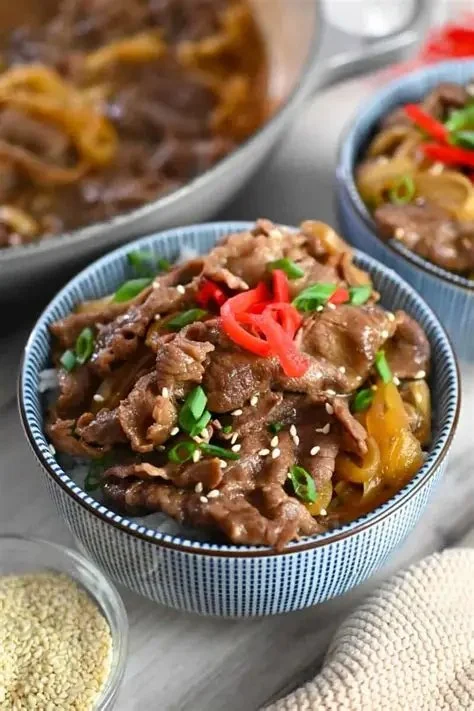
A gyudon recipe is more than just instructions for cooking beef over rice—it represents one of the most comforting everyday meals in Japan. Often called the “Japanese beef bowl,” gyudon is the kind of dish people eat when they are tired after work, studying late at night, or simply craving something warm and familiar.
What makes it special is its simplicity. Thin slices of beef simmered in a sweet-salty soy-based broth, layered over steaming white rice, create a harmony that feels both humble and deeply satisfying. It’s the same reason chains like Yoshinoya became iconic worldwide—they didn’t just sell food; they sold comfort in a bowl.
Many food lovers who try recreating this dish at home quickly realize that while the ingredients are simple, the balance of flavor is what makes it unforgettable.
Why Yoshinoya-Style Beef Bowls Became a Global Standard
The Power of Consistency and Flavor Memory
When people think of a Japanese beef bowl, they often imagine the Yoshinoya beef bowl recipe profile—lightly sweet, deeply savory, and incredibly smooth in texture. The key is not just the ingredients but the precise ratio of soy sauce, sugar, and dashi stock that creates a signature umami depth.
This consistency is why travelers often remember their first gyudon experience abroad and try to recreate it when they return home.
How Simplicity Became a Culinary Strength
Unlike complex Japanese dishes that require hours of preparation, gyudon relies on speed and efficiency. It was originally designed as fast food for workers in Tokyo, yet it evolved into something culturally significant.
That balance of fast preparation and deep flavor is what continues to make gyudon a global favorite today.
Step-by-Step Gyudon Recipe for a Restaurant-Style Experience
Choosing the Right Beef Cut for Authentic Texture
The best gyudon recipe always starts with thinly sliced beef, usually ribeye or chuck. The thinness allows the meat to absorb flavor quickly while staying tender. Many home cooks make the mistake of using thick slices, which results in a chewy texture that doesn’t match traditional Japanese beef bowl standards.
Building the Signature Gyudon Sauce
The heart of gyudon is its sauce. A balanced combination of soy sauce, mirin, sugar, and dashi creates the signature flavor profile. The goal is not overpowering sweetness but a gentle layering of umami that coats every slice of beef.
This sauce is what separates a standard beef and rice bowl from an authentic Japanese comfort dish.
Cooking Process That Locks in Flavor
First, onions are gently simmered until soft and slightly caramelized. Then the beef is added and cooked just until tender. The sauce is poured in and allowed to reduce slightly so it clings to the meat.
The final step is serving everything over freshly steamed Japanese rice, which absorbs the sauce and completes the dish.
Why Rice Selection Changes Everything in a Gyudon Bowl
Short-Grain Rice vs Regular Long-Grain Rice
One of the most overlooked parts of a gyudon recipe is rice quality. Japanese short-grain rice has a sticky, slightly chewy texture that holds sauce better than long-grain varieties.
Without it, even a perfectly cooked beef mixture can feel disconnected or dry.
Temperature and Serving Timing
Gyudon is best served immediately after cooking. The heat of the rice slightly warms the beef sauce, allowing flavors to blend naturally. Waiting too long can dull the entire experience.
Common Mistakes That Prevent Restaurant-Quality Flavor
Overcooking the Beef
Many beginners cook the beef too long, causing it to lose tenderness. Traditional gyudon relies on quick cooking to maintain softness.
Incorrect Sauce Balance
Too much soy sauce makes the dish salty, while too much sugar turns it overly sweet. The real skill in a gyudon recipe is balance, not intensity.
Ignoring Onion Texture
Onions should be soft but not mushy. They act as a bridge between beef and sauce, adding natural sweetness and depth.
A Personal Story Behind a First Gyudon Experience
Many people first discover gyudon in a small Tokyo restaurant or a fast-casual chain during travel. One traveler once shared how they entered a Yoshinoya late at night after a long day of walking through Shibuya. The simplicity of the meal—just beef, rice, and broth—felt unexpectedly emotional.
That experience often becomes a memory people try to recreate at home, which is why the gyudon recipe has become so widely searched and loved outside Japan.
Why Homemade Gyudon Is Worth Mastering
Control Over Ingredients and Flavor
Cooking at home allows full control over sweetness, saltiness, and beef quality. You can adjust the dish to match personal taste while still maintaining authenticity.
A Fast Meal That Feels Comforting
Even at home, gyudon remains one of the fastest complete meals you can prepare. It’s perfect for busy evenings when you want something warm without spending hours cooking.
Where to Explore More Japanese Cooking Inspiration
For those interested in expanding their Japanese cooking experience beyond this gyudon recipe, platforms like Japanese Restaurant offer curated ingredients, cooking tools, and ideas that help bring authentic Japanese flavors into your kitchen.
Final Thoughts on Mastering the Japanese Beef Bowl Experience
The beauty of gyudon lies in its simplicity, but mastering it requires attention to balance, timing, and ingredients. Once you understand how the sauce interacts with beef and rice, the dish becomes almost instinctive to prepare.
Whether inspired by Yoshinoya or traditional home cooking, a well-made Japanese beef bowl delivers comfort in its purest form—warm, flavorful, and deeply satisfying.


 IJ Sushi Burrito- Washington square4.0 (82 reviews)
 Kajiken Chicago4.0 (274 reviews)
 Sushi Box4.0 (244 reviews)
 Mido Sushi4.0 (1186 reviews)
 Tokyo Grill3.0 (362 reviews)
 Hibachi Of Japan II4.0 (535 reviews)
 Top Dishes You Should Order at Miyabi Japanese Restaurant
 Insider Review of Waraji Japanese Restaurant | Must-Try Dishes
 A Foodie’s Experience at Ami Japanese Restaurant: A Taste of Authentic Japanese Cuisine
 What Makes Good Japanese Restaurants in NYC Stand Out Among Japanese Restaurants
 Why Ami Japanese Restaurant Westwood Is a Must-Try Spot for Japanese Food Lovers
 Why Locals Recommend Miyako Japanese Restaurant