

- japanese-foods-brain-health-cognitive-longevity - Key nutrients behind mental clarity
- omega-rich-japanese-diet-memory-support - How fish and seafood enhance brain function
- fermented-foods-japan-gut-brain-connection - The microbiome’s role in cognition
- traditional-japanese-diet-longevity-habits - Cultural eating patterns for long life
- japanese-restaurant-diet-inspiration - How modern dining reflects brain-healthy choices
The Connection Between Japanese Cuisine and Long-Term Brain Health
Japanese dietary traditions have long been associated with exceptional longevity and mental sharpness. When exploring Japanese foods for brain health, one of the most striking patterns is the balance between nutrient density, low inflammation ingredients, and consistent consumption of seafood, fermented products, and plant-based components.
In regions like Okinawa and coastal Japan, where cognitive decline rates tend to be lower compared to global averages, diet plays a central role. Meals are not just about satiety—they are structured to support long-term brain function and emotional balance.
Why Japanese Diet Patterns Support Cognitive Longevity
1. Omega-3 Rich Seafood as Brain Fuel
One of the strongest contributors to cognitive longevity diet patterns in Japan is regular consumption of fatty fish such as mackerel, sardines, and salmon. These foods are rich in DHA and EPA, essential omega-3 fatty acids that support neuron structure and communication.
DHA, in particular, is a major structural component of the brain. Regular intake helps maintain memory function, improve focus, and potentially slow cognitive decline associated with aging.
2. Low Inflammatory Dietary Structure
Traditional Japanese meals are naturally low in processed sugars and saturated fats. This reduces systemic inflammation, which research increasingly links to cognitive impairment and neurodegenerative conditions.
3. Portion Control and Mindful Eating
A cultural principle known as “Hara Hachi Bu,” or eating until 80% full, plays an indirect but powerful role in brain health. Reduced overeating helps maintain metabolic stability, which supports better long-term cognitive function.
Fermented Foods: The Gut-Brain Intelligence System
1. Miso and Cognitive Microbiome Support
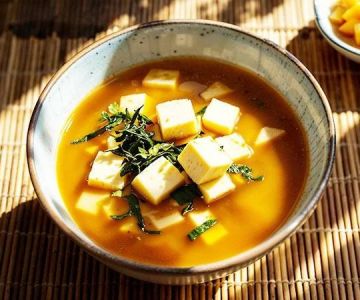
Miso, a fermented soybean paste, is a cornerstone of traditional Japanese nutrition brain function support. It contains probiotics that influence gut microbiota, which in turn affects neurotransmitter production and mental clarity.
2. Natto and Vitamin K2 for Neural Protection
Natto is another fermented soybean dish rich in vitamin K2 and nattokinase. Emerging research suggests a link between gut health and reduced risk of cognitive decline, making natto an important part of brain-healthy diets.
3. Pickled Vegetables and Microbial Diversity
Tsukemono, or Japanese pickled vegetables, contribute additional probiotic diversity. This supports the gut-brain axis, a communication system that plays a key role in mood regulation and cognitive stability.
A Real-Life Example: The Okinawa Longevity Study
A well-known long-term observation of Okinawan residents revealed that many individuals maintained strong cognitive abilities well into their 90s. Their diet was heavily plant-based, rich in fish, and included frequent consumption of fermented foods.
One documented participant, a retired fisherman, attributed his mental sharpness to daily miso soup, grilled fish, and a simple, repetitive diet that avoided processed foods. While lifestyle factors also played a role, researchers consistently point to diet as a major contributor.
Seaweed: The Underestimated Brain Superfood
1. Iodine and Thyroid-Brain Connection
Seaweed varieties such as nori, wakame, and kombu are rich in iodine, which is essential for thyroid function. Thyroid hormones directly influence brain metabolism and cognitive energy levels.
2. Antioxidants and Neuroprotection
Seaweed contains unique antioxidants like fucoxanthin that may help reduce oxidative stress in brain cells, supporting long-term neurological health.
3. Mineral Density for Neural Communication
Magnesium, calcium, and potassium found in seaweed help regulate nerve signaling and synaptic function.
Green Tea and Cognitive Alertness
1. L-Theanine and Calm Focus
Green tea is widely consumed in Japan and contains L-theanine, an amino acid known to promote relaxation without sedation. It works synergistically with caffeine to enhance focused attention.
2. Catechins and Brain Protection
Catechins, powerful antioxidants found in green tea, may help protect neurons from oxidative stress and inflammation.
3. Daily Ritual and Mental Stability
Beyond chemistry, the ritual of tea drinking itself contributes to stress reduction, which indirectly supports cognitive longevity.
Traditional Meal Structure and Cognitive Balance
1. Rice as a Stable Energy Source
Japanese meals typically include rice as a steady carbohydrate source, preventing blood sugar spikes that can negatively affect brain performance.
2. Balance of Protein and Vegetables
Meals are structured with fish, tofu, and seasonal vegetables, ensuring a wide range of micronutrients essential for neurotransmitter production.
3. Seasonal Eating for Nutritional Variety
Seasonal food consumption ensures natural nutrient cycling, which may help maintain long-term brain resilience.
Modern Adaptations and Global Influence
Today, Japanese restaurant culture has made these brain-supportive foods more accessible globally. Many modern menus now highlight omega-rich fish bowls, miso-based soups, and seaweed salads, reflecting a growing awareness of cognitive nutrition.
At Japanese Restaurant, diners often explore meals that mirror traditional dietary patterns while adapting them for modern lifestyles, making it easier to integrate brain-healthy choices into everyday eating habits.
Why These Foods Matter Beyond Nutrition Science
The value of Japanese foods for brain health is not limited to biochemical benefits. These foods represent a lifestyle that naturally encourages moderation, mindfulness, and nutrient diversity—all essential elements for cognitive longevity.
Rather than relying on isolated “superfoods,” the Japanese dietary model demonstrates how consistent, balanced eating patterns can shape long-term brain function and mental clarity.



 Izakaya Sozai4.0 (617 reviews)
 KOI ASIAN BISTRO & Sushi4.0 (252 reviews)
 Ginzaya4.0 (215 reviews)
 Takara Ayce4.0 (69 reviews)
 RAKIRAKI Ramen & Tsukemen4.0 (89 reviews)
 Bento House4.0 (502 reviews)
 Why Locals Recommend Good Japanese Restaurants in NYC
 The History and Flavor Behind Takara Japanese Restaurant: A Culinary Journey
 An Insider’s Review of Oishi Japanese Restaurant
 Where to Buy a Takoyaki Pan in the US: Cast Iron vs Electric Guide
 Why Locals Recommend Japanese Sushi Restaurant for Authentic Dining
 How to Flavor Carrots Like a Japanese Restaurant – Easy Home Recipe