
- where-to-buy-takoyaki-pan-us-cast-iron-electric-guide - buying options explained
- cast-iron-vs-electric-takoyaki-pan - choosing the right cooking style
- home-takoyaki-cooking-tips - how to make authentic Japanese street food
- best-places-to-buy-takoyaki-maker-us - online and specialty store options
- real-home-cooking-experiences - beginner mistakes and success stories
Where to Buy a Takoyaki Pan in the US: Cast Iron and Electric Options for Home Cooking
Takoyaki has a strange way of pulling people in. One moment you see it at a Japanese street festival or in a late-night food video, and the next thing you know you’re searching for a takoyaki pan like it’s a life necessity. If you’re trying to figure out where to buy a takoyaki pan in the US, the answer isn’t just “any kitchen store”—it depends on how you want to cook, how often you’ll use it, and whether you prefer traditional cast iron or modern electric convenience.
This guide breaks everything down in a real-world way, including how people actually use these pans at home, what mistakes beginners make, and what experienced home cooks wish they knew earlier.
Understanding What a Takoyaki Pan Actually Does
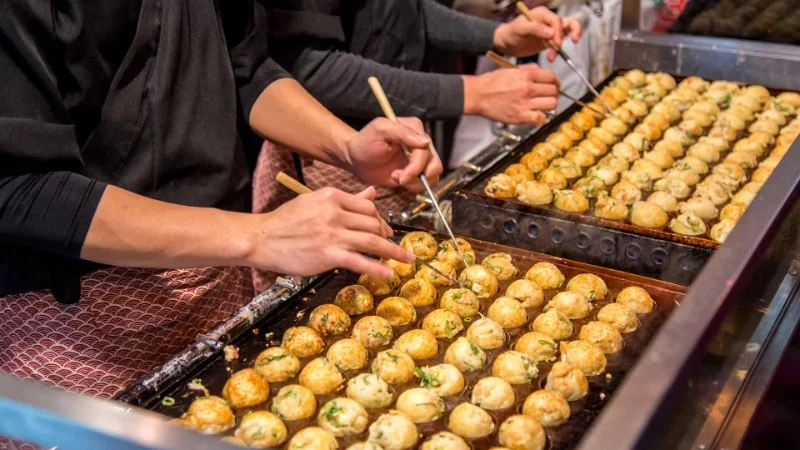
A takoyaki pan is not just another cookware item. It is specifically designed for making round, bite-sized batter balls filled with octopus, green onion, tempura scraps, and other fillings. The design is simple but precise: half-spherical molds that allow batter to cook evenly while being rotated with skewers or picks.
What surprises many first-time buyers in the US is that this cooking method is interactive. You don’t just pour batter and walk away—you rotate, shape, and control the texture as it cooks. That’s part of the reason people fall in love with it. It feels closer to street cooking than home baking.
When people search for a takoyaki pan in the US, they usually don’t realize there are two very different categories: cast iron and electric. Each creates a completely different cooking experience.
Cast Iron Takoyaki Pan: Traditional Cooking Experience
The cast iron takoyaki pan is the closest option to what you would find in Japan. It is usually placed on a gas stove or portable burner. The heat is direct, strong, and requires attention—this is not a “set and forget” tool.
One home cook in Seattle shared how their first attempt turned into what they jokingly called “takoyaki pancakes.” The reason? They didn’t realize how fast cast iron heats up. After adjusting the flame and learning to rotate earlier, their second batch came out golden, crisp, and restaurant-quality.
Why people choose cast iron
Cast iron is preferred by cooks who want authenticity and control. It heats evenly once properly warmed and creates a crisp outer shell that electric models sometimes struggle to replicate. It also lasts for years if cared for properly.
However, it requires seasoning, preheating, and a bit of patience. If you enjoy cooking as a hands-on experience rather than a convenience task, cast iron is usually the better choice.
Where to buy cast iron takoyaki pans in the US
Most buyers find cast iron takoyaki pans through Asian grocery stores, Japanese specialty shops, or online cookware retailers. The advantage of buying in person is that you can feel the weight and check the mold depth. Online options, however, provide more variety and customer reviews, which help beginners choose the right size.
If you’re looking for curated Japanese-style cooking tools and home kitchen inspiration, Japanese Restaurant offers helpful recommendations for authentic cookware setups and ingredients that match traditional recipes.
Electric Takoyaki Makers: Convenience for Modern Kitchens
Electric takoyaki makers are designed for simplicity. Plug it in, wait for it to heat, and start cooking. For many US households, especially beginners, this is the easiest entry point into Japanese street food cooking.
One viral home cooking trend on social media featured a family in Texas using an electric takoyaki maker during a game night. Instead of popcorn, they served freshly made takoyaki. The video gained attention because it showed how adaptable this cooking style can be for casual gatherings.
Why electric models are popular
Electric takoyaki pans maintain consistent heat, which reduces the risk of burning or uneven cooking. They are also safer for apartments and indoor use since they don’t require open flame.
They are especially popular among beginners, families, and people who want a fun cooking activity rather than a technical challenge.
Limitations of electric makers
While convenient, electric models sometimes lack the crisp texture that cast iron achieves. The heat distribution can be slightly softer, which changes the final texture. Some experienced cooks still prefer finishing takoyaki on a pan or torching lightly for crispness.
How to Decide Which Takoyaki Pan Fits Your Kitchen
Choosing between cast iron and electric isn’t just about cooking—it’s about lifestyle. If you enjoy slow cooking, experimenting, and building skills, cast iron will feel rewarding. If you prefer quick setup and social cooking, electric is more practical.
Many US home cooks actually own both. Cast iron is used for weekends or special occasions, while electric is used for casual gatherings or family nights. This hybrid approach has become increasingly common as Japanese home cooking gains popularity.
Key decision factors
Think about heat source availability, storage space, and how often you plan to cook. Cast iron requires stovetop access and maintenance. Electric requires only a plug but takes up counter space.
Also consider your cooking personality. Do you like adjusting heat constantly and watching closely, or do you prefer stable settings and minimal supervision?
What Beginners Usually Get Wrong When Buying a Takoyaki Pan
One common mistake is choosing the cheapest option without considering material quality. Thin metal pans often heat unevenly, causing frustration and inconsistent results.
Another mistake is ignoring batter consistency. Even the best takoyaki pan in the US won’t fix overly thick or watery batter. Successful cooking depends on both tool and technique.
First-time users also underestimate the importance of oiling each mold properly. Without enough oil, the batter sticks and breaks apart during rotation.
Real Home Cooking Experience: A Small Kitchen Experiment
A home cook in California shared their first attempt at hosting a takoyaki night. They invited friends over, expecting a smooth experience. Instead, the first batch stuck to the pan, the second batch burned, and only the third batch looked decent. But by then, everyone was already laughing and helping rotate the balls together.
That experience highlights something important: takoyaki cooking is social. Even mistakes become part of the experience. By the end of the night, the group agreed it was more fun than ordering takeout.
Where to Start Your Takoyaki Journey at Home
If you’re ready to start, focus first on choosing the right pan type rather than chasing perfection. Cast iron offers tradition and control, while electric provides convenience and consistency.
Once you have your setup, the rest becomes experimentation—adjusting batter, fillings, and heat until you find your personal style. Many cooks say that the “perfect takoyaki” is less about accuracy and more about enjoyment.
For those looking to explore authentic Japanese cooking setups, ingredient ideas, and kitchen inspiration, Japanese Restaurant can help guide your next step into home street food cooking.

 The Lobster Club4.0 (358 reviews)
 Amami Sushi Bistro Geary4.0 (25 reviews)
 Yakiya4.0 (347 reviews)
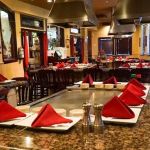 Kobe Steakhouse & Lounge4.0 (1454 reviews)
 Urban Noodle兰州拉面.刀削面.泡菜.肉夹馍.釀皮.炸酱面4.0 (288 reviews)
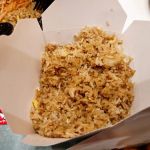 Tiger Wok & Ramen2.0 (99 reviews)
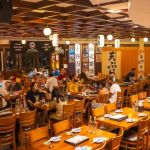 A Foodie’s Experience at Fujiya Japanese Restaurant: A Culinary Adventure
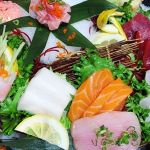 An Insider’s Review of Yellowtail Japanese Restaurant & Lounge Menu
 An Insider’s Review of Shirasoni Japanese Restaurant
 Is It Rude to Burp at a Japanese Restaurant? Understand the Etiquette
 Why Are Japanese Restaurants Closed on Sundays? Here's What to Know
 What Makes Restaurant Japanese Stand Out Among Japanese Restaurants