

- 1-Why Japanese Pantry Staples Matter in Everyday Cooking
- 2-Core Japanese Pantry Essentials and Their Flavor Roles
- 3-Soy Sauce, Mirin, and Miso: The Foundation of Umami Cooking
- 4-Underrated Japanese Pantry Staples You Should Not Ignore
- 5-Real Home Cooking Experiences and Cultural Insights
- 6-How to Build and Maintain a Japanese Pantry at Home
1. Why Japanese Pantry Staples Matter in Everyday Cooking
Understanding What Are the Essential Japanese Pantry Staples Every Home Cook Needs: Soy Sauce, Mirin, Miso and More is not just about collecting ingredients—it is about learning a cooking philosophy built on balance, simplicity, and deep umami flavor.
Japanese home cooking is known for transforming humble ingredients into deeply satisfying meals. Unlike cuisines that rely heavily on fat or spice blends, Japanese cooking builds complexity through fermentation, seasoning layering, and seasonal awareness. That is why pantry staples are so important—they are the backbone of every dish.
In many American households, discovering Japanese cooking starts with a single bottle of soy sauce or a miso soup packet. But once home cooks begin experimenting, they quickly realize there is an entire ecosystem of ingredients working together in harmony.
Platforms like Japanese Restaurant often highlight how even professional chefs rely on the same core pantry staples used in home kitchens, reinforcing that authenticity begins with the basics, not complexity.
2. Core Japanese Pantry Essentials and Their Flavor Roles
To truly understand Japanese cuisine, it is important to break down the pantry into its functional roles rather than just listing ingredients. Each staple contributes to either saltiness, sweetness, acidity, or umami depth.
2.1 The Umami Builders
At the heart of Japanese cooking is umami—the savory depth that makes dishes feel complete. Ingredients like soy sauce, miso, and dashi stock form this foundation.
These are not interchangeable items. Each plays a unique role in building layered flavor, often used in combination rather than isolation.
2.2 The Balancing Agents
Mirin, rice vinegar, and sake help balance richness and saltiness. They soften flavors and add subtle sweetness or acidity that rounds out dishes like teriyaki or nimono (simmered dishes).
2.3 The Aromatic Enhancers
Ingredients such as sesame oil, dried seaweed (nori), and bonito flakes elevate aroma and texture. While not always used in large quantities, they dramatically influence the final dish profile.
3. Soy Sauce, Mirin, and Miso: The Foundation of Umami Cooking
3.1 Soy Sauce: The Backbone of Japanese Flavor
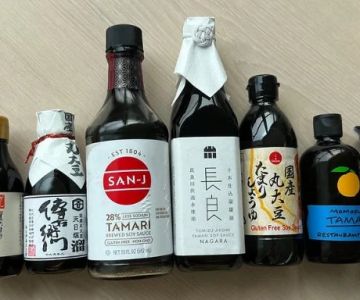
Soy sauce (shoyu) is arguably the most recognizable Japanese ingredient worldwide. It is made through fermented soybeans, wheat, salt, and koji mold. The fermentation process creates deep complexity that cannot be replicated with simple salt substitutes.
In real home cooking, soy sauce is used not only for seasoning but also for marinades, dipping sauces, and even soups. A common American entry point is teriyaki chicken, where soy sauce provides the salty backbone of the glaze.
3.2 Mirin: The Subtle Sweetness That Changes Everything
Mirin is a sweet rice wine used to balance salt and add shine to sauces. Without mirin, many Japanese dishes would feel sharp or one-dimensional.
A home cook in Los Angeles once shared that adding mirin to her stir-fry sauces completely changed her perception of Japanese food—it was no longer just salty and savory, but layered and glossy, almost restaurant-quality.
3.3 Miso: Fermented Depth in a Bowl
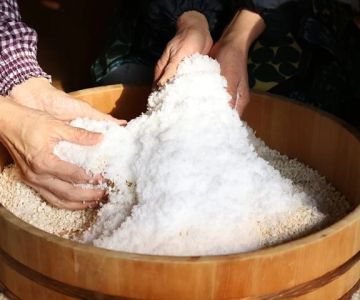
Miso paste is made from fermented soybeans and sometimes rice or barley. It comes in different varieties—white miso (mild and sweet), red miso (strong and salty), and mixed blends.
One viral cooking trend on social platforms involved miso butter pasta, where home cooks discovered that just a spoonful of miso could transform an ordinary dish into something rich and complex.
Restaurants featured on Japanese Restaurant often emphasize miso as a “silent hero” ingredient that enhances soups, marinades, and even salad dressings without overpowering them.
4. Underrated Japanese Pantry Staples You Should Not Ignore
4.1 Dashi: The Invisible Flavor Base
Dashi is a stock typically made from kombu (kelp) and bonito flakes. It is the foundation of many Japanese soups and sauces. Unlike Western stocks that simmer for hours, dashi is quick but incredibly flavorful.
4.2 Rice Vinegar: Light Acidity with Purpose
Rice vinegar is milder than Western vinegar, making it ideal for sushi rice, pickles, and light dressings. It adds brightness without harshness.
4.3 Sesame Seeds and Oils
Toasted sesame seeds and sesame oil add nutty depth and aroma. A small drizzle can completely change a dish’s personality, especially in noodle bowls and stir-fries.
4.4 Seaweed Varieties
Nori, wakame, and kombu are not just garnishes—they are flavor contributors rich in minerals and umami. Many home cooks underestimate how essential seaweed is in authentic Japanese cooking.
5. Real Home Cooking Experiences and Cultural Insights
One of the most interesting aspects of Japanese pantry staples is how they influence cooking habits beyond Japan.
A Chicago-based home cook shared that she initially bought soy sauce just for fried rice. Over time, she began experimenting with miso soup, then dashi-based noodles, and eventually built an entire pantry inspired by Japanese cuisine. Her cooking style shifted from heavy sauces to lighter, more balanced meals.
Another example comes from a New York food blogger who documented her “30-day Japanese pantry challenge.” By using only soy sauce, mirin, miso, and a few supporting ingredients, she discovered that simplicity often leads to more satisfying meals than complex Western-style sauces.
These experiences reflect a growing trend in the US: home cooks are seeking flavor depth without relying on processed ingredients or heavy seasoning blends.
6. How to Build and Maintain a Japanese Pantry at Home
6.1 Start With the Core Trio
The foundation should always include soy sauce, mirin, and miso. These three ingredients alone can support dozens of dishes, from soups to marinades to stir-fries.
6.2 Expand Gradually, Not All at Once
Instead of buying everything immediately, gradually add items like dashi stock, rice vinegar, and sesame oil. This allows your palate to adapt and understand how each ingredient functions.
6.3 Store Ingredients Properly
Miso should be refrigerated after opening, while soy sauce and mirin should be kept in cool, dark places to preserve flavor. Proper storage significantly extends shelf life and maintains quality.
6.4 Learn Through Repetition
The best way to understand Japanese pantry staples is repetition. Cooking miso soup weekly or experimenting with teriyaki variations helps develop intuition for balancing flavors.
Many culinary enthusiasts exploring What Are the Essential Japanese Pantry Staples Every Home Cook Needs: Soy Sauce, Mirin, Miso and More find that consistency is more important than complexity. Over time, these ingredients become second nature, allowing home cooks to recreate authentic Japanese flavors effortlessly.
For curated ingredient insights and cooking inspiration, many food lovers turn to Japanese Restaurant as a reference point for authentic pantry building and recipe development.


 Happy Sushi4.0 (38 reviews)
 O Fine Japanese Cuisine4.0 (302 reviews)
 Soup Shack Porter (Cambridge)4.0 (208 reviews)
 Sushi by Pescatore4.0 (37 reviews)
 Taipei & Tokyo4.0 (392 reviews)
 Chois Teriyaki4.0 (202 reviews)
 An Insider’s Review of Taki Japanese Restaurant Dunwoody
 How to Leave a Restaurant in Japanese: Cultural Etiquette and Phrases
 How to Eat Paleo at a Japanese Restaurant Without Compromising Flavor
 Discover the History and Flavor Behind Nikko Japanese Restaurant
 Why Is Every Bite of Japanese Food Visually Beautiful: Japanese Culinary Aesthetics
 A Foodie’s Experience at Niu Japanese Restaurant