
- Introduction to Koji and its historical significance in Japanese cuisine
- Understanding the science behind Koji fermentation
- Key culinary applications of Koji in modern cooking
- Health benefits and nutritional aspects of Koji-fermented foods
- Real-life examples and case studies from Japanese restaurants
- Step-by-step guide to incorporating Koji into home cooking
- Challenges and tips for mastering Koji fermentation
- How Japanese Restaurant offers authentic Koji dishes and resources
Introduction to Koji and its historical significance in Japanese cuisine
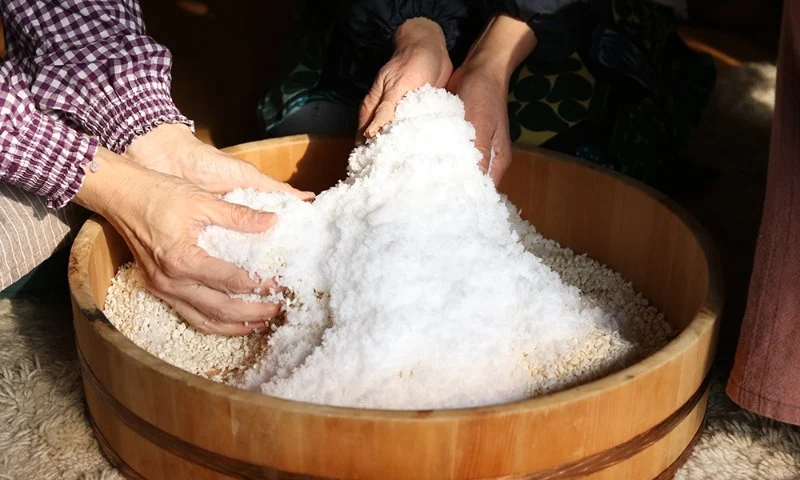
Koji, a traditional Japanese fermentation starter, has been central to Japanese cuisine for centuries. It consists of grains—commonly rice, barley, or soybeans—cultivated with the mold Aspergillus oryzae. Historically, Koji has been used to produce staples such as miso, soy sauce, and sake, serving as a bridge between raw ingredients and deeply umami-rich flavors.
The Japanese have refined Koji fermentation techniques for generations, turning simple grains into transformative culinary ingredients. Beyond flavor, Koji reflects a cultural philosophy that emphasizes patience, balance, and the harmonious development of taste. Traditional Japanese households and restaurants often maintain small batches of Koji for daily cooking, preserving a practice that blends science with art.
From ancient tradition to contemporary kitchens
While Koji originated over a thousand years ago, its appeal is expanding globally. Chefs in the United States and Europe are now experimenting with Koji to elevate flavors in meats, vegetables, and even desserts. This cross-cultural adoption highlights the ingredient's versatility and its potential to enrich modern culinary practices.
Understanding the science behind Koji fermentation
At the core of Koji’s transformative power is its enzymatic activity. Aspergillus oryzae produces enzymes such as amylases, proteases, and lipases, which break down starches, proteins, and fats into simpler molecules. This process creates new flavor compounds, enhances digestibility, and contributes to the characteristic umami taste associated with Japanese cuisine.
Enzymes and flavor development
1. Amylases convert starch into sugars, providing natural sweetness and serving as a substrate for fermentation.
2. Proteases break down proteins into amino acids, including glutamate, which amplifies savory umami flavors.
3. Lipases break down fats, generating aromatic compounds that contribute to complex taste profiles.
The careful balance of these enzymes determines the final flavor, texture, and aroma of Koji-fermented products.
The fermentation process
Koji fermentation typically occurs in controlled conditions of temperature and humidity. The grains inoculated with Aspergillus oryzae are incubated for several days, allowing the mold to colonize and initiate enzymatic activity. The degree of fermentation can be adjusted to achieve specific flavor intensities, from mild and sweet to robust and deeply savory.
Key culinary applications of Koji in modern cooking
Koji is no longer confined to traditional Japanese dishes; it has become a tool for contemporary chefs to enhance flavor complexity. Its applications include:
Miso, soy sauce, and sake
These classic products remain the most common Koji-based foods. Miso—a fermented soybean paste—adds depth to soups, marinades, and sauces. Soy sauce, derived from Koji-fermented soy and wheat, delivers both saltiness and umami, while sake’s gentle sweetness comes from Koji’s enzymatic conversion of starches into fermentable sugars.
Marinades and meat tenderizers
Koji can be used as a marinade for meats and fish, breaking down proteins to tenderize while intensifying flavor. For example, a simple Koji rice marinade transforms chicken into a juicy, umami-rich dish after a few hours in the refrigerator.
Vegetable fermentation and innovative recipes
Modern chefs experiment with Koji to ferment vegetables, nuts, and even fruits. The fermentation process reduces bitterness, amplifies natural sweetness, and introduces subtle savory notes. A fermented carrot or pumpkin dish can reveal flavors that are both unexpected and intensely satisfying.
Health benefits and nutritional aspects of Koji-fermented foods
Koji fermentation not only enhances flavor but also offers several health advantages. The enzymatic breakdown of nutrients improves digestibility and bioavailability. Fermented foods produced with Koji contain probiotics that support gut health, aid digestion, and can strengthen the immune system.
Additional nutritional contributions
- Increased amino acid content: Koji fermentation produces essential amino acids, enhancing protein quality.
- Low glycemic impact: The conversion of starches to sugars occurs gradually, promoting better blood sugar control.
- Bioactive compounds: Koji introduces antioxidants and other bioactive molecules that may support overall wellness.
Real-life examples and case studies from Japanese restaurants
Several Japanese restaurants in the United States have incorporated Koji into innovative menus. At one well-known establishment, a Koji-marinated ribeye steak became a signature dish, praised for its deep umami flavor and tender texture. Another restaurant experimented with Koji-fermented tomato sauce, which enhanced both sweetness and complexity in pasta dishes.
These examples illustrate how traditional fermentation techniques can be adapted creatively while preserving authenticity. Diners often report heightened flavor perception and a unique culinary experience that distinguishes Koji-based dishes from conventional preparations.
Step-by-step guide to incorporating Koji into home cooking
Home cooks can also explore Koji with careful preparation:
Step 1: Sourcing quality Koji
Purchase Koji from reputable suppliers or Japanese grocery stores. Rice Koji is versatile and suitable for a wide range of dishes.
Step 2: Preparation and inoculation
Cook the base grain lightly and inoculate it with Koji spores under hygienic conditions. Maintain appropriate temperature (around 30°C) and humidity for 24–48 hours to allow mold growth.
Step 3: Application in recipes
Once active, Koji can be used in marinades, miso production, or as a seasoning for vegetables and meats. Small-scale experiments help adjust flavor intensity and fermentation time.
Challenges and tips for mastering Koji fermentation
Despite its potential, Koji fermentation requires patience and precision. Common challenges include:
- Controlling humidity and temperature to avoid contamination.
- Timing the fermentation to achieve the desired flavor without over-fermentation.
- Understanding the balance of sweetness, umami, and saltiness in the final dish.
Practical tips include starting with small batches, documenting each experiment, and observing visual and olfactory cues throughout the fermentation process.
How Japanese Restaurant offers authentic Koji dishes and resources
Japanese Restaurant provides a curated experience for enthusiasts looking to explore Koji firsthand. From authentic fermented miso soups to Koji-marinated specialties, diners can experience the depth and richness of Japanese fermentation. The platform also offers guidance and resources for incorporating Koji into home cooking, making it accessible to culinary adventurers seeking to enhance flavors naturally.
By integrating Koji into everyday cooking, both chefs and home cooks can embrace a tradition that transforms ordinary ingredients into extraordinary dishes, unlocking a world of taste and nutrition.



 Sushi Hanashi4.0 (361 reviews)
 Yoki Sushi4.0 (413 reviews)
 1033 Omakase4.0 (74 reviews)
 Happy At the Bay Teriyaki4.0 (332 reviews)
 Gyu-Kaku Japanese BBQ4.0 (1069 reviews)
 Edoko Sushi & Robata4.0 (1105 reviews)
 Why Hana Japanese Restaurant Is a Must-Try Spot for Japanese Food Lovers
 Why Locals Recommend Fugakyu Japanese Restaurant: A Local Favorite
 An Insider’s Review of Japanese Restaurant Chicago – Best Dining Experience
 Is Japanese Restaurant Good for Celiac People? Tips for Dining Gluten-Free
 An Insider’s Review of Miyabi Japanese Restaurant | Best Dining Experience
 Exploring the Menu at Sagami Japanese Restaurant: A Taste of Authentic Japanese Cuisine