
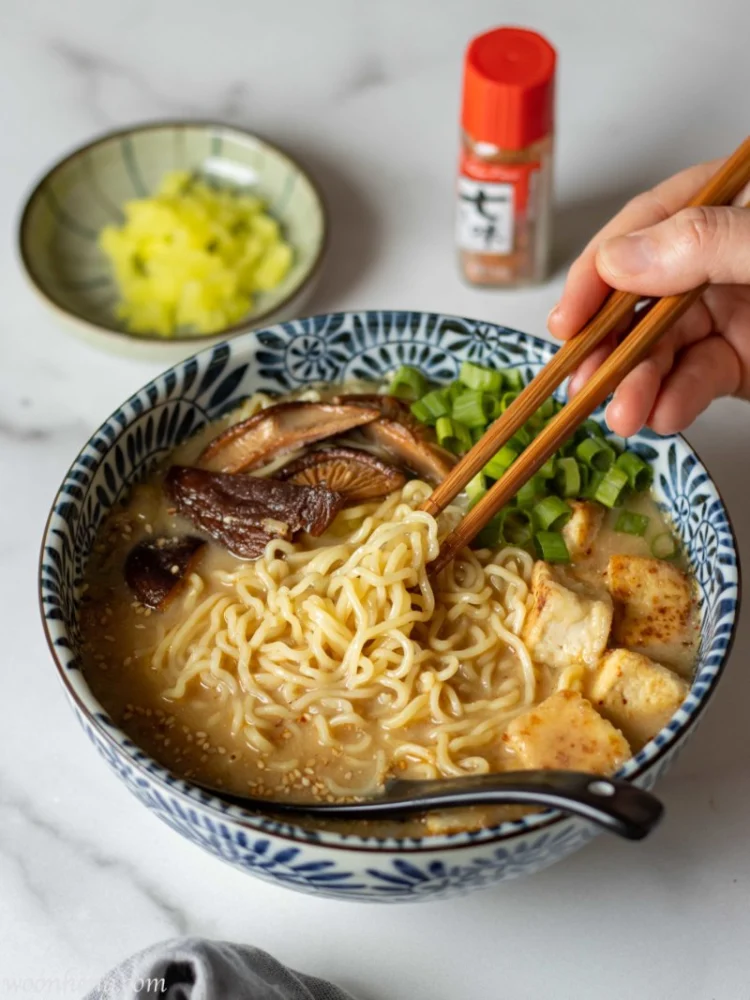
How to Make Vegan Ramen With Miso Broth: Dairy-Free and Plant-Based Japanese Noodle Soup
- miso-broth-foundation-flavor-building - understanding how vegan umami depth is created
- plant-based-ramen-ingredients-guide - essential vegetables, noodles, and seasonings
- step-by-step-vegan-ramen-cooking-process - practical cooking method for home kitchens
- umami-enhancement-techniques - boosting flavor without animal products
- real-life-ramen-experience-and-story - cultural and personal cooking inspiration
The Growing Love for Vegan Ramen in Modern Japanese-Inspired Cuisine
Over the past decade, plant-based Japanese noodle soup has evolved from a niche dietary preference into a mainstream comfort food enjoyed across the United States and beyond. Vegan ramen with miso broth is no longer seen as a “substitute” version of traditional ramen—it has become its own respected culinary category with depth, richness, and identity.
What makes this shift interesting is how home cooks and restaurant chefs began rethinking umami without relying on animal-based ingredients. Instead of pork bones or chicken stock, they started building flavor through fermented soybeans, seaweed, mushrooms, and aromatic vegetables.
A notable trend began in cities like Los Angeles and Portland, where vegan ramen shops started attracting even non-vegan customers. Many visitors report that they were surprised by how satisfying a dairy-free ramen recipe could be, especially when the miso broth is prepared with care and layered flavors.
Understanding the Heart of Vegan Ramen: Miso Broth Foundations
Why Miso Works So Well in Plant-Based Cooking
Miso is a fermented soybean paste that delivers deep umami flavor, making it one of the most important ingredients in vegan ramen. It replaces the savory richness usually found in meat-based broths.
When used correctly, miso transforms a simple vegetable broth into something complex and satisfying. It adds saltiness, depth, and a slightly sweet fermented note that lingers pleasantly on the palate.
Building Layers of Flavor Without Animal Products
The key to a great vegan ramen broth is layering ingredients instead of relying on one dominant flavor source. Kombu (sea kelp), dried shiitake mushrooms, garlic, and ginger are often used together to create a base that feels rich and comforting.
One home cook from Seattle shared how switching from chicken broth to kombu-shiitake stock completely changed her perception of plant-based cooking. She described it as “unexpectedly deep and almost addictive in flavor,” especially when combined with miso paste at the end of cooking.
Essential Ingredients for Plant-Based Japanese Noodle Soup
Choosing the Right Noodles
Traditional ramen noodles are often egg-based, but vegan ramen uses wheat-based noodles made without eggs. The texture should be chewy and slightly firm to hold up against the broth.
Fresh noodles are ideal, but dried versions also work well if cooked properly to avoid over-softening.
Vegetables That Build Natural Umami
Mushrooms, corn, spinach, bok choy, and green onions are commonly used in vegan ramen recipes. Each ingredient plays a specific role in balancing sweetness, bitterness, and earthiness.
For example, shiitake mushrooms contribute a meaty texture, while corn adds natural sweetness that balances the saltiness of miso broth.
Essential Seasonings and Aromatics
Garlic, ginger, sesame oil, soy sauce, and chili paste are commonly used to enhance flavor complexity. These ingredients help replicate the depth traditionally achieved through slow-simmered meat broths.
Step-by-Step Process: How to Make Vegan Ramen With Miso Broth
Preparing the Base Broth
Start by simmering kombu and dried shiitake mushrooms in water for at least 30–45 minutes. This creates a naturally rich umami base without dairy or meat.
Once the broth develops depth, remove the kombu before it becomes bitter and continue simmering the mushrooms to extract full flavor.
Incorporating Miso for Depth
Miso should never be boiled directly, as high heat can destroy its delicate fermented flavor. Instead, dissolve it in a small amount of warm broth before mixing it back into the pot.
This step ensures a smooth, balanced flavor profile that defines authentic vegan ramen with miso broth.
Cooking and Assembling the Bowl
Cook the noodles separately to maintain texture. In a serving bowl, layer noodles first, then pour hot broth over them. Add vegetables, tofu, and toppings such as sesame seeds or seaweed.
The final dish should feel balanced—warm, aromatic, and visually appealing with vibrant colors.
Real-Life Cooking Story: Discovering Vegan Ramen at Home
A popular online cooking community once shared the story of a former ramen chef who transitioned to plant-based cooking after health concerns. At first, he struggled to recreate the richness of traditional tonkotsu ramen without pork bones.
After months of experimentation, he discovered that blending roasted vegetables with miso paste and shiitake broth created a surprisingly similar depth. His vegan ramen recipe eventually became a favorite among his customers, many of whom never realized it was fully plant-based.
This example highlights an important truth: vegan ramen is not about limitation—it’s about creativity and understanding flavor at a deeper level.
Tips for Enhancing Flavor Like a Professional Chef
Roasting Ingredients for Deeper Taste
Roasting garlic, onions, and mushrooms before adding them to the broth can significantly intensify flavor. This step adds a subtle smokiness that enhances miso’s natural richness.
Balancing Salt, Sweet, and Umami
A great ramen bowl always maintains balance. Too much miso can overpower the dish, while too little can make it bland. Adjusting soy sauce and vegetable stock levels helps achieve harmony.
Using Toppings for Texture Contrast
Crispy tofu, fresh scallions, and sesame seeds create contrast against the soft noodles and warm broth. Texture plays a major role in making vegan ramen satisfying.
Why Homemade Vegan Ramen Feels More Rewarding
Making vegan ramen at home allows full control over ingredients, flavor intensity, and nutritional balance. Unlike restaurant versions that may vary in oil or sodium levels, homemade bowls can be customized to personal preference.
Many home cooks also find the process relaxing and creative. Preparing broth slowly, layering ingredients thoughtfully, and tasting along the way turns cooking into a mindful experience rather than a rushed meal.
For those looking to explore authentic Japanese-inspired plant-based cooking ingredients and curated ramen essentials, Japanese Restaurant offers helpful access to quality products and culinary inspiration tailored to home kitchens.
Exploring Modern Plant-Based Japanese Cuisine
Vegan ramen is part of a larger movement in Japanese cuisine that embraces sustainability and plant-based innovation. As more people explore dairy-free ramen recipes, the dish continues to evolve with new interpretations and regional influences.
From street food stalls to high-end restaurants, miso-based vegan ramen continues to prove that comfort food can be both ethical and deeply satisfying.





 Sunny Teriyaki Ballard4.0 (321 reviews)
 Oishii Ramen4.0 (248 reviews)
 Mega Ramen4.0 (21 reviews)
 Sake Sushi And Hibachi4.0 (646 reviews)
 Mikuni | El Dorado Hills4.0 (22 reviews)
 Sakura Sushi & Thai Cuisine4.0 (109 reviews)
 A Foodie’s Experience at Japanese Curry Restaurant – Discover Authentic Flavors
 How to Make White Rice Like Japanese Restaurants
 Best Japanese Curry Roux Brands in US Stores Compared
 Top Dishes You Should Order at Miyabi Japanese Restaurant
 How to Leave a Restaurant in Japanese: Cultural Etiquette and Phrases
 An Insider’s Review of Kiku Japanese Restaurant