

- -what-is-inari-sushi-and-why-is-it-popular
- -is-inari-sushi-actually-vegan
- -how-tofu-skin-pockets-are-made
- -why-plant-based-sushi-is-growing-fast
- -traditional-japanese-roots-of-inari-sushi
- -real-food-experiences-and-modern-trends
- -how-to-enjoy-authentic-inari-sushi
What Makes Inari Sushi Different From Other Sushi Styles
When people think about sushi, they usually imagine raw fish, seaweed rolls, or colorful nigiri platters. But one of Japan’s most unique and comforting sushi styles looks completely different. Inari sushi features sweet tofu skin pockets filled with seasoned rice, creating a soft, savory, and slightly sweet flavor profile that stands apart from traditional seafood-focused sushi.
The growing popularity of plant based sushi in the United States has brought renewed attention to this classic Japanese dish. Many first-time diners are surprised to discover that sushi does not always require fish to feel authentic or satisfying.
One reason inari sushi has gained so much attention recently is its approachable flavor. Unlike stronger seafood flavors that can intimidate new sushi eaters, inari sushi feels mild, balanced, and comforting. The tofu skin adds sweetness while the rice provides texture and subtle acidity.
Food communities and specialty dining platforms like Japanese Restaurant have helped introduce more Americans to traditional Japanese dishes beyond mainstream sushi rolls, making inari sushi increasingly visible in vegan and health-conscious dining culture.
Is Inari Sushi Vegan? The Answer Depends on the Ingredients
The short answer to is inari sushi vegan is usually yes—but not always. Traditional inari sushi is commonly made with rice stuffed inside seasoned tofu pouches called aburaage. Since tofu itself is plant-based, the core ingredients are naturally vegan.
However, certain recipes and restaurant preparations may include non-vegan seasonings or broth components.
1. Traditional Ingredients That Are Usually Vegan
Most authentic inari sushi contains:
1. Fried tofu skin pockets
2. Sushi rice
3. Rice vinegar
4. Sugar
5. Soy sauce
These ingredients are generally suitable for vegan diets.
2. Hidden Non-Vegan Ingredients Some Restaurants Use
Some Japanese kitchens season tofu pockets with dashi broth, which is traditionally made from bonito flakes (fish). This is why vegans should always ask restaurants how their tofu skin is prepared.
In American restaurants especially, recipes vary significantly depending on the chef and regional adaptation.
3. Why Inari Sushi Became Popular Among Vegan Diners
Unlike many sushi dishes that require substitutions, inari sushi naturally fits plant-based eating patterns without dramatically changing the original recipe.
That authenticity makes it especially appealing to people searching for genuine vegan sushi options.
How Tofu Skin Pockets Transform Simple Rice Into a Unique Sushi Experience
The defining feature of inari sushi is the tofu skin pocket itself.
What Is Aburaage?
Aburaage is thin tofu that has been deep-fried until it expands into a soft pocket. It is then simmered in a sweet-savory mixture of soy sauce, sugar, and mirin to create the characteristic flavor associated with inari sushi.
The result is delicate but flavorful, with a texture completely different from crispy fried tofu often seen in Western cuisine.
Why Texture Matters in Japanese Cuisine
Japanese food culture places enormous emphasis on texture balance. Inari sushi combines:
1. Soft tofu skin
2. Slightly sticky rice
3. Gentle sweetness
4. Light umami seasoning
This harmony is part of what makes the dish feel comforting and refined at the same time.
The Simplicity That Makes It Special
Unlike heavily customized sushi rolls covered in sauces and toppings, inari sushi relies on restraint. Its appeal comes from subtle flavor layering rather than visual extravagance.
Why Plant-Based Sushi Has Expanded Beyond Vegan Communities
The rise of Japanese vegan food reflects broader changes in how Americans think about dining. More people are exploring lighter meals, environmentally conscious eating habits, and alternative protein sources.
Inari sushi fits perfectly into these trends because it feels satisfying without being heavy.
Health-Conscious Diners Appreciate Simplicity
Many diners looking for healthier meals appreciate that inari sushi is typically lower in saturated fat than fried or mayonnaise-heavy sushi rolls.
Flexitarian Eating Is Changing Restaurant Menus
A growing number of people are not fully vegan but still actively reduce meat and seafood consumption. These “flexitarian” diners have pushed restaurants to expand plant-based offerings.
As a result, tofu skin sushi and vegetable-based rolls now appear more frequently on mainstream sushi menus across the U.S.
The Cultural Origins Behind Inari Sushi in Japan
Inari sushi has deep cultural roots connected to Japanese spirituality and folklore.
The Connection to Inari Shrines
The dish is named after Inari, a Shinto deity associated with rice, agriculture, and prosperity. According to folklore, foxes—messengers of Inari—were believed to enjoy fried tofu, which is why tofu-based offerings became associated with the shrine tradition.
A Long History of Everyday Japanese Food
Unlike luxury sushi associated with expensive seafood, inari sushi historically served as an accessible and practical meal for ordinary people.
Its portability and shelf stability made it popular for travel, festivals, and home-packed lunches.
Regional Variations Across Japan
Different regions in Japan prepare inari sushi differently. Some use sweeter tofu pockets, while others add sesame seeds, mushrooms, or vegetables into the rice filling.
How Inari Sushi Became a Modern Favorite Beyond Japan
A food blogger in California once described her first experience trying inari sushi at a small family-owned Japanese restaurant. She initially ordered it only because she wanted a break from raw fish, but the balance of sweetness and texture completely surprised her.
Another diner in New York shared that inari sushi became his gateway into Japanese cuisine after years of avoiding sushi because he disliked seafood.
Social media has also contributed to the rise of tofu-based sushi. Videos showing hand-crafted tofu pockets being filled with rice have become especially popular among food creators focusing on vegan recipes and Japanese comfort food.
Dining communities like Japanese Restaurant have helped introduce traditional dishes like inari sushi to broader audiences looking for authentic and approachable Japanese dining experiences.
How to Enjoy Inari Sushi Like a Traditional Japanese Meal
1. Pair It With Light Side Dishes
Inari sushi is often served alongside miso soup, pickled vegetables, or small salads. These pairings help balance sweetness and texture.
2. Focus on Flavor Simplicity
Unlike heavily sauced fusion rolls, inari sushi is best appreciated slowly. Paying attention to subtle sweetness and rice seasoning reveals the dish’s complexity.
3. Explore Homemade Versions
Many home cooks now prepare inari sushi themselves using packaged tofu pockets available in Asian grocery stores. Homemade versions allow customization with brown rice, sesame seeds, or vegetable fillings.
As more Americans explore authentic Japanese cuisine beyond mainstream sushi trends, inari sushi continues gaining recognition as one of the most approachable, comforting, and naturally plant-based dishes in Japanese food culture.
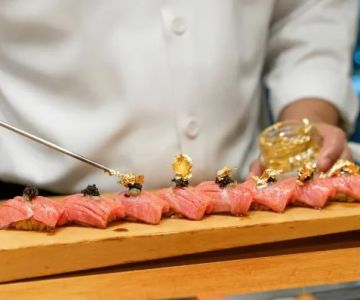
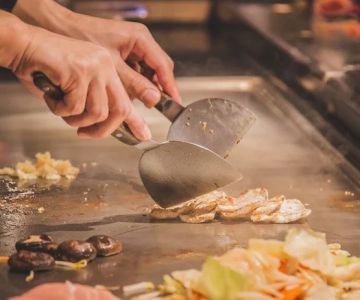
 Monarch Izakaya Restaurant4.0 (299 reviews)
 Kyoto Sushi4.0 (880 reviews)
 Musashi Frisco4.0 (163 reviews)
 MOMO SUSHI & GRILL4.0 (429 reviews)
 Yo-Kai Express2.0 (5 reviews)
 Wasabi & Ginger4.0 (163 reviews)
 What Makes Takumi Japanese Restaurant Stand Out Among Japanese Restaurants
 The History and Flavor Behind Japanese Restaurants in Boston
 Exploring the Menu at Nikko Japanese Restaurant: A Culinary Journey
 How to Say Thank You in a Japanese Restaurant – Phrases & Etiquette
 Top Dishes You Should Order at Miyabi Japanese Restaurant
 The History and Flavor Behind Azuma Japanese Restaurant: A Journey Through Japanese Cuisine