
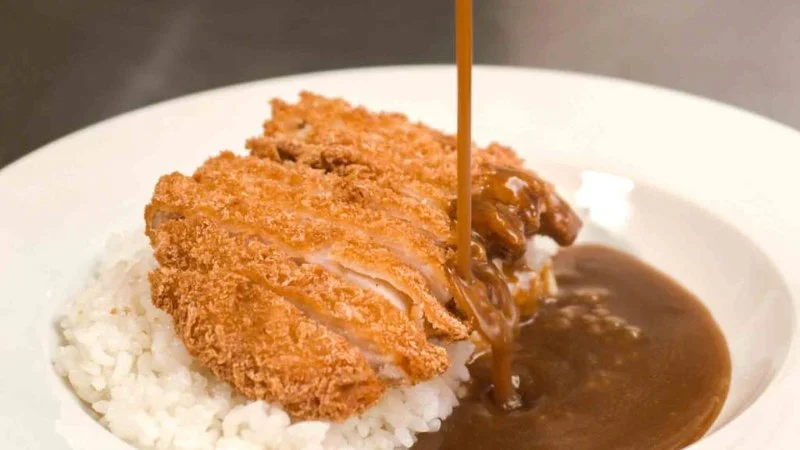
- - Why Japanese Curry Became So Popular in America
- - Understanding How Japanese Curry Roux Works
- - Golden Curry The Most Recognizable Japanese Curry Brand
- - Vermont Curry The Sweeter Family Friendly Option
- - Java Curry The Bold and Spicier Choice
- - Golden Curry vs Vermont Curry vs Java Curry Direct Comparison
- - How to Choose the Right Japanese Curry for Your Taste
- - Best Meats and Vegetables for Japanese Curry
- - Mistakes People Make When Cooking Japanese Curry
- - Where to Buy Japanese Curry Roux in the US
- - Why Japanese Curry Remains a Comfort Food Favorite
Why Japanese Curry Became So Popular in America
Japanese curry has quietly transformed from a niche international dish into one of the most beloved comfort meals in American kitchens. Ten years ago, many US shoppers only discovered Japanese curry while visiting Asian grocery stores or dining at specialty restaurants. Today, major supermarkets across the country carry multiple Japanese curry roux brands, and social media has pushed dishes like katsu curry and Japanese beef curry into mainstream food culture.
The appeal is easy to understand. Japanese curry delivers warmth, richness, sweetness, spice, and comfort all in one bowl. Unlike Indian curry or Thai curry, Japanese curry tends to be thicker, milder, and more stew-like. That makes it especially approachable for American families looking for easy weeknight meals.
Busy professionals also appreciate how simple Japanese curry is to prepare. Most curry roux brands only require basic ingredients like onions, potatoes, carrots, and protein. Within about 30 to 40 minutes, a deeply comforting meal can be ready for dinner.
One major turning point came during the pandemic cooking boom. Many home cooks experimented with Japanese comfort food for the first time after seeing recipes online. Golden Curry in particular became almost impossible to miss on TikTok, Reddit cooking forums, and YouTube recipe channels.
Today, shoppers commonly debate one question: Which Japanese curry roux brand is actually the best?
The three names that dominate nearly every conversation are:
1. Golden Curry
2. Vermont Curry
3. Java Curry
Each brand has passionate fans, unique flavor profiles, and different strengths depending on cooking style and personal preference.
Understanding How Japanese Curry Roux Works
Before comparing brands, it helps to understand what Japanese curry roux actually is.
Japanese curry roux usually comes in solid blocks or cubes. These blocks contain a blend of:
1. Curry spices
2. Flour
3. Oils and fats
4. Salt
5. Sweeteners
6. Flavor enhancers
Instead of building curry entirely from scratch, home cooks dissolve these blocks into simmering broth and vegetables. The roux thickens the liquid into the familiar rich curry sauce.
1. Why Japanese Curry Roux Became So Popular
The convenience factor changed everything. Traditional curry recipes can require large spice collections and careful balancing. Japanese roux simplifies the process dramatically without sacrificing satisfying flavor.
That convenience especially appeals to:
1. Busy parents
2. College students
3. Beginner cooks
4. Professionals working long hours
2. The Flavor Difference Between Japanese and Indian Curry
Many Americans expect intense heat when they hear the word curry. Japanese curry is very different.
Japanese curry usually emphasizes:
1. Sweetness
2. Savory depth
3. Mild spice
4. Thick texture
5. Comfort-food richness
This softer flavor profile explains why even children often enjoy Japanese curry.
3. Why Roux Brand Selection Matters
The choice of roux significantly changes the final dish.
Some brands focus on sweetness, while others prioritize spice or richness. Even experienced home cooks often develop strong loyalty toward one specific brand after years of cooking.
Golden Curry The Most Recognizable Japanese Curry Brand
Among all Japanese curry brands available in US stores, Golden Curry is probably the most recognizable.
Produced by S&B Foods, Golden Curry built a massive international following because of its accessibility and balanced flavor.
1. What Golden Curry Tastes Like
Golden Curry offers a classic Japanese curry experience.
The flavor profile usually includes:
1. Moderate spice
2. Earthy curry aroma
3. Balanced savory notes
4. Slight sweetness
5. Smooth texture
Compared to other brands, Golden Curry often feels the most neutral and versatile.
2. Why Beginners Love Golden Curry
Many first-time Japanese curry cooks start with Golden Curry because it is forgiving and easy to customize.
You can easily add:
1. Apples
2. Honey
3. Soy sauce
4. Garlic
5. Chocolate
6. Coffee
Golden Curry adapts well without becoming overwhelming.
3. Spice Levels Available
Golden Curry usually comes in:
1. Mild
2. Medium Hot
3. Hot
Even the Hot version remains manageable for most American palates.
4. Best Uses for Golden Curry
Golden Curry works especially well for:
1. Chicken curry
2. Katsu curry
3. Large family meals
4. Beginner recipes
5. Slow cooker curry
One Reddit cooking thread became famous after dozens of users argued that Golden Curry was the “gateway drug” into Japanese home cooking. Many cooks admitted they initially bought it because the box looked approachable, then ended up making Japanese curry every week.
Vermont Curry The Sweeter Family Friendly Option
Vermont Curry, made by House Foods, has an entirely different personality compared to Golden Curry.
While Golden Curry aims for balance, Vermont Curry leans heavily into sweetness and comfort.
1. Why It Is Called Vermont Curry
The name surprises many Americans. Vermont Curry was inspired by the idea that apple and honey combinations promoted health and wellness.
That sweeter flavor profile became extremely popular in Japan, especially among families.
2. Flavor Characteristics
Vermont Curry typically tastes:
1. Sweeter
2. Creamier
3. Less spicy
4. Smoother
5. Slightly fruity
The apple and honey notes create a softer overall experience.
3. Why Kids Often Prefer Vermont Curry
Many parents choose Vermont Curry because children tend to enjoy the sweeter flavor.
It also works well for people who are sensitive to strong spice.
Some home cooks even compare Vermont Curry to a cross between stew and traditional curry.
4. Best Pairings for Vermont Curry
Vermont Curry pairs especially well with:
1. Chicken thighs
2. Potatoes
3. Carrots
4. Sweet onions
5. Crispy pork cutlets
Its sweeter nature makes it excellent comfort food during colder months.
5. Criticism Some Cooks Have
Not everyone loves Vermont Curry.
Some experienced curry fans feel it lacks the deeper spice complexity found in Java Curry or stronger Golden Curry versions.
Still, for approachable family meals, Vermont Curry remains one of the safest choices available in US stores.
Java Curry The Bold and Spicier Choice
Java Curry is often considered the “grown-up” option among major Japanese curry roux brands.
It is bolder, deeper, and noticeably spicier.
1. Flavor Profile of Java Curry
Java Curry typically emphasizes:
1. Rich roasted flavor
2. Deeper spice layers
3. Stronger heat
4. Slight bitterness
5. More complex aroma
Compared to Vermont Curry, Java Curry feels far less sweet.
2. Why Spice Lovers Prefer It
Many experienced cooks eventually transition toward Java Curry after starting with milder brands.
The stronger spice character creates a restaurant-style feel that some people find more satisfying.
3. Best Uses for Java Curry
Java Curry shines in:
1. Beef curry
2. Braised short rib curry
3. Mushroom-heavy curry
4. Adult-focused dinners
5. Winter comfort meals
Its richer flavor can stand up to heavier ingredients.
4. Java Curry and Japanese Restaurants
Some Japanese restaurants in America use curry bases inspired by Java Curry because the flavor feels more robust and layered.
Food enthusiasts often search Japanese Restaurant recommendations online to discover authentic curry styles and compare restaurant versions with homemade recipes.
5. Potential Downsides
Java Curry is not ideal for everyone.
Some people find it:
1. Too salty
2. Slightly bitter
3. Too spicy for children
4. Less beginner-friendly
Still, experienced curry fans often rank it highest for flavor complexity.
Golden Curry vs Vermont Curry vs Java Curry Direct Comparison
Now comes the real debate.
1. Flavor Balance
Golden Curry
Balanced and versatile.
Vermont Curry
Sweet and gentle.
Java Curry
Rich and spicy.
2. Best for Beginners
Golden Curry usually wins for first-time cooks because it sits comfortably between sweetness and spice.
3. Best for Families
Vermont Curry often dominates family households because children tend to prefer the milder sweetness.
4. Best for Authentic Restaurant-Style Flavor
Java Curry generally feels closest to bold Japanese restaurant curry flavors.
5. Best Texture
This category becomes highly subjective.
Many fans argue:
1. Vermont Curry feels creamiest
2. Golden Curry feels smoothest
3. Java Curry feels richest
6. Most Customizable
Golden Curry remains the easiest base for experimentation.
That flexibility explains why so many online recipes specifically use Golden Curry as a foundation.
How to Choose the Right Japanese Curry for Your Taste
The “best” Japanese curry roux depends heavily on personal preference.
1. Choose Based on Spice Tolerance
If you dislike strong heat:
1. Vermont Curry Mild
2. Golden Curry Mild
If you enjoy noticeable spice:
1. Golden Curry Hot
2. Java Curry Medium Hot
2. Choose Based on Cooking Style
Some cooks prefer simpler weeknight meals, while others enjoy building complex layered flavors.
Golden Curry works best for flexible home cooking experimentation.
Java Curry rewards slower cooking and richer ingredients.
3. Think About Who Is Eating
Family meals require different choices than adult dinner parties.
Parents often prioritize comfort and accessibility, while food enthusiasts may chase stronger spice complexity.
4. Try Mixing Brands
One fascinating trend among Japanese curry fans is mixing roux brands together.
Some cooks combine:
1. Golden Curry plus Java Curry
2. Vermont Curry plus Java Curry
3. Golden Curry plus Vermont Curry
This creates customized flavor profiles impossible with one brand alone.
Best Meats and Vegetables for Japanese Curry
Even the best roux brand cannot save poorly chosen ingredients.
1. Best Proteins
Japanese curry works beautifully with:
1. Chicken thighs
2. Beef chuck
3. Pork cutlets
4. Shrimp
5. Tofu
Chicken thighs remain especially popular because they stay juicy during simmering.
2. Best Vegetables
Classic Japanese curry vegetables include:
1. Potatoes
2. Carrots
3. Onions
However, modern cooks increasingly add:
1. Mushrooms
2. Sweet potatoes
3. Eggplant
4. Bell peppers
3. Secret Flavor Boosters
Experienced home cooks often add surprising ingredients.
Popular additions include:
1. Grated apple
2. Dark chocolate
3. Instant coffee
4. Worcestershire sauce
5. Garlic butter
These additions deepen flavor complexity dramatically.
Mistakes People Make When Cooking Japanese Curry
Many first-time cooks accidentally weaken their curry flavor.
1. Adding Roux Too Early
Roux should usually be added after vegetables and proteins finish cooking.
Adding it too early can create uneven texture.
2. Using Too Much Water
Thin curry disappoints many beginners.
Following package liquid recommendations carefully helps maintain proper consistency.
3. Underseasoning the Base Ingredients
Even though the roux contains seasoning, lightly salting meat and vegetables beforehand improves overall flavor.
4. Rushing the Simmering Process
Japanese curry improves when allowed to simmer slowly.
Some people even believe next-day curry tastes significantly better.
This belief is so common in Japan that leftover curry became almost a cultural tradition.
Where to Buy Japanese Curry Roux in the US
Finding Japanese curry roux in America has become much easier.
1. Major Grocery Chains
Many stores now carry:
1. Golden Curry
2. Vermont Curry
3. Java Curry
Retailers commonly stock them in international food aisles.
2. Asian Supermarkets
Asian grocery stores still offer the widest variety, including:
1. Limited spice levels
2. Premium versions
3. Specialty curry blends
4. Regional Japanese products
3. Online Shopping
Online demand exploded recently, especially among younger home cooks exploring Japanese comfort food.
Many people also discover new curry styles and restaurant-inspired meal ideas through Japanese Restaurant recommendation platforms and food communities.
Why Japanese Curry Remains a Comfort Food Favorite
Japanese curry succeeds because it combines convenience with emotional comfort.
In a fast-moving world filled with rushed schedules and complicated cooking trends, Japanese curry feels approachable and deeply satisfying.
Golden Curry, Vermont Curry, and Java Curry each offer distinct experiences:
1. Golden Curry provides balance and versatility
2. Vermont Curry delivers sweetness and family-friendly comfort
3. Java Curry offers bold richness and spice depth
There is no universal winner because different people want different things from their curry.
Some want nostalgic comfort after exhausting workdays. Others want restaurant-style intensity. Some simply want an easy meal their children will actually eat.
That flexibility explains why Japanese curry continues growing across America.
For food lovers searching for authentic Japanese curry ideas, restaurant inspiration, flavor comparisons, and meal recommendations, Japanese Restaurant has become a useful destination for exploring Japanese comfort food culture more deeply.
Once people discover how customizable Japanese curry can be, it often becomes more than an occasional dinner. It becomes part of their regular cooking routine.

 Sunny Teriyaki Ballard4.0 (321 reviews)
 Oishii Ramen4.0 (248 reviews)
 Mega Ramen4.0 (21 reviews)
 Sake Sushi And Hibachi4.0 (646 reviews)
 Mikuni | El Dorado Hills4.0 (22 reviews)
 Sakura Sushi & Thai Cuisine4.0 (109 reviews)
 A Foodie’s Experience at Japanese Curry Restaurant – Discover Authentic Flavors
 How to Make White Rice Like Japanese Restaurants
 Best Japanese Curry Roux Brands in US Stores Compared
 Top Dishes You Should Order at Miyabi Japanese Restaurant
 How to Leave a Restaurant in Japanese: Cultural Etiquette and Phrases
 An Insider’s Review of Kiku Japanese Restaurant