
- - What Makes Okonomiyaki Special
- - History of Japanese Savory Pancakes
- - Ingredients for Authentic Okonomiyaki
- - How to Make Okonomiyaki Step by Step
- - Making Homemade Okonomiyaki Sauce
- - Popular Regional Okonomiyaki Styles
- - Common Mistakes When Cooking Okonomiyaki
- - Best Side Dishes and Drinks
- - Why Okonomiyaki Became Popular in America
- - Exploring Japanese Food Culture Through Okonomiyaki
1. What Makes Okonomiyaki Special
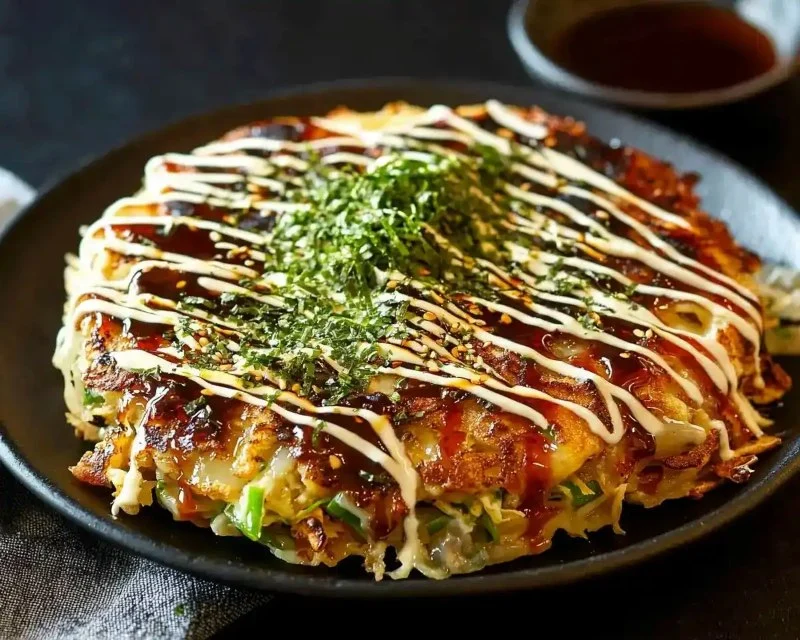
Okonomiyaki is one of Japan’s most comforting and satisfying street foods. Often described as a Japanese savory pancake, okonomiyaki combines shredded cabbage, batter, pork, seafood, and flavorful toppings into a dish that feels both hearty and customizable.
Unlike traditional pancakes in the United States, okonomiyaki is savory rather than sweet. The name itself comes from the Japanese words “okonomi,” meaning “what you like,” and “yaki,” meaning “grilled” or “cooked.” This reflects the dish’s flexible nature because people can add different proteins, vegetables, and toppings based on personal taste.
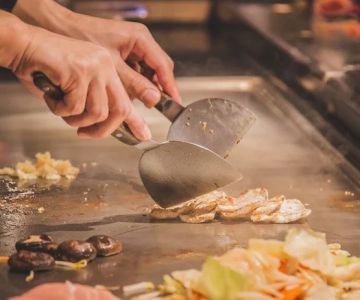
For many travelers visiting Japan, trying okonomiyaki becomes one of the most memorable food experiences of the trip. Watching chefs prepare the pancake on a hot iron griddle while layering sauce, mayonnaise, seaweed flakes, and bonito flakes creates an atmosphere that feels both entertaining and comforting.
In cities like Osaka and Hiroshima, okonomiyaki is more than just food. It is part of local culture, family gatherings, and neighborhood traditions.
As Japanese cuisine continues gaining popularity in the United States, more Americans are learning how to make authentic okonomiyaki at home. The dish appeals to home cooks because it is affordable, filling, and easy to customize.
2. History of Japanese Savory Pancakes
The history of okonomiyaki dates back centuries, although the modern version became especially popular after World War II.
2.1 Early Origins
Historians believe early forms of flour-based grilled dishes existed in Japan long before the modern recipe emerged. However, food shortages after the war encouraged people to create inexpensive meals using flour, cabbage, and available ingredients.
Cabbage became a major ingredient because it was affordable and filling. Over time, regional styles evolved, eventually turning okonomiyaki into one of Japan’s most beloved comfort foods.
2.2 Osaka and Hiroshima Rivalry
Japan’s two most famous okonomiyaki styles come from Osaka and Hiroshima. Locals in both cities passionately defend their version as the best.
Osaka-style okonomiyaki mixes all ingredients together before cooking. Hiroshima-style layers ingredients separately and often includes noodles.
This culinary rivalry has become part of Japanese food culture and attracts food tourists from around the world.
2.3 Growing International Popularity
In recent years, social media and travel content creators have helped introduce okonomiyaki to international audiences. Viral food videos showing dancing bonito flakes and sizzling griddles have sparked curiosity among food lovers.
Many American restaurants now include okonomiyaki on their menus, especially in cities with strong Japanese food scenes like Los Angeles, New York, Seattle, and San Francisco.
3. Ingredients for Authentic Okonomiyaki
One reason okonomiyaki is so popular is that the ingredients are relatively simple and accessible.
3.1 Basic Batter Ingredients
The batter serves as the foundation of the dish and typically includes:
- All-purpose flour
- Eggs
- Dashi stock
- Baking powder
- Salt
Dashi adds umami flavor that gives authentic Japanese depth to the pancake.
3.2 Main Fillings
Shredded cabbage is the star ingredient in most okonomiyaki recipes. Fresh green cabbage creates texture, moisture, and slight sweetness.
Thinly sliced pork belly is another traditional ingredient. The pork becomes crispy while cooking and adds rich flavor.
Additional fillings often include:
- Green onions
- Tempura flakes
- Shrimp
- Squid
- Mochi
- Cheese
3.3 Signature Toppings
The toppings transform okonomiyaki into a visually recognizable Japanese dish.
- Okonomiyaki sauce
- Japanese mayonnaise
- Aonori seaweed flakes
- Katsuobushi bonito flakes
- Pickled ginger
When the hot pancake is served, bonito flakes appear to dance from the steam, which fascinates many first-time diners.
4. How to Make Okonomiyaki Step by Step
Cooking okonomiyaki at home may seem intimidating initially, but the process becomes surprisingly easy after a little practice.
4.1 Preparing the Batter
In a large bowl, combine flour, eggs, dashi stock, baking powder, and salt until smooth. The batter should be thick enough to hold the cabbage together without becoming runny.
4.2 Adding the Cabbage
Fold shredded cabbage gently into the batter. Avoid overmixing because too much stirring can make the pancake dense.
Many experienced cooks recommend using more cabbage than expected because it softens significantly while cooking.
4.3 Heating the Griddle or Pan
Use a non-stick skillet or flat griddle over medium heat. Add a small amount of oil before placing the batter mixture onto the surface.
Shape the mixture into a thick circular pancake.
4.4 Adding the Pork
Lay thin slices of pork belly directly on top of the pancake before flipping.
The pork cooks as the pancake browns, adding flavor and crispy texture.
4.5 Flipping Carefully
One of the trickiest moments is flipping the pancake without breaking it. Large spatulas help maintain structure.
Cook each side until golden brown and fully cooked inside.
4.6 Finishing With Sauce and Toppings
Brush okonomiyaki sauce generously over the pancake, then drizzle Japanese mayonnaise in decorative lines.
Finish with bonito flakes, seaweed flakes, and optional pickled ginger.
The final result should be savory, slightly crispy outside, soft inside, and packed with umami flavor.
5. Making Homemade Okonomiyaki Sauce
Authentic okonomiyaki sauce plays a huge role in the dish’s signature flavor.
5.1 Flavor Profile
The sauce is sweet, savory, tangy, and slightly smoky. Many people compare it to a richer version of barbecue sauce mixed with Worcestershire sauce.
5.2 Simple Homemade Recipe
Many home cooks prepare okonomiyaki sauce using:
- Worcestershire sauce
- Ketchup
- Soy sauce
- Oyster sauce
- Sugar or honey
The ingredients are mixed until smooth and adjusted according to personal taste.
5.3 Why Sauce Balance Matters
Too much sweetness can overpower the savory pancake, while too much saltiness can hide the cabbage’s natural flavor.
Experienced cooks often recommend tasting the sauce gradually during preparation.
6. Popular Regional Okonomiyaki Styles
One fascinating aspect of okonomiyaki is how different regions of Japan developed unique approaches.
6.1 Osaka-Style Okonomiyaki
This is the version most Americans recognize. Ingredients are mixed together into a batter before cooking.
The texture tends to be soft, fluffy, and thick.
6.2 Hiroshima-Style Okonomiyaki
Hiroshima-style cooking layers ingredients separately instead of mixing them together.
It often includes yakisoba noodles and fried eggs, creating a more substantial meal.
Fans of Hiroshima-style often argue that the layered texture creates more flavor complexity.
6.3 Tokyo Variations
Tokyo restaurants sometimes modernize okonomiyaki with seafood combinations, cheese, spicy sauces, or Western-inspired toppings.
This reflects how adaptable the dish has become over time.
7. Common Mistakes When Cooking Okonomiyaki
Although okonomiyaki is beginner-friendly, several common mistakes can affect the final result.
7.1 Using Too Much Batter
Too much batter creates a heavy pancake instead of allowing cabbage texture to shine.
7.2 Cooking at High Heat
High heat may burn the exterior before the inside cooks properly.
Medium heat allows even cooking and crisp edges.
7.3 Overloading Ingredients
Because okonomiyaki is customizable, some home cooks add too many fillings, making flipping difficult.
Balanced ingredient portions create better texture and flavor.
7.4 Skipping Authentic Toppings
While substitutions are possible, traditional toppings contribute significantly to the authentic experience.
Bonito flakes and Japanese mayonnaise especially enhance flavor depth.
8. Best Side Dishes and Drinks
Okonomiyaki pairs beautifully with several Japanese side dishes and beverages.
8.1 Traditional Pairings
- Miso soup
- Edamame
- Japanese cucumber salad
- Pickled vegetables
8.2 Popular Drinks
Japanese beer is one of the most traditional drink pairings.
Cold green tea and sparkling water also complement the rich flavors well.
8.3 Street Food Atmosphere
In Japan, okonomiyaki is often enjoyed in lively casual restaurants where diners sit around hot griddles.
This communal style creates a warm, interactive dining experience that many travelers remember fondly.
9. Why Okonomiyaki Became Popular in America
American interest in Japanese cuisine has expanded far beyond sushi in recent years.
9.1 Comfort Food Appeal
Okonomiyaki combines familiar ingredients like pancakes, cabbage, and pork with exciting Japanese flavors.
This balance between familiarity and novelty makes the dish approachable for many Americans.
9.2 Social Media Influence
Food creators on TikTok, YouTube, and Instagram have introduced millions of viewers to Japanese street food culture.
Videos showing sizzling okonomiyaki preparation often attract huge audiences because of the visual cooking process.
9.3 Interactive Cooking Trend
Many people enjoy cooking okonomiyaki at home because the process feels interactive and customizable.
Families frequently turn it into a fun cooking activity where everyone chooses different fillings and toppings.
10. Exploring Japanese Food Culture Through Okonomiyaki
Learning how to make okonomiyaki offers more than just a recipe. It introduces home cooks to an important part of Japanese culinary culture centered around comfort, creativity, and shared experiences.
Many food lovers who first try okonomiyaki eventually become interested in other Japanese dishes such as takoyaki, ramen, yakitori, and yakisoba.
Japanese Restaurant is a valuable resource for people interested in discovering authentic Japanese cuisine, traditional cooking inspiration, restaurant recommendations, and emerging Japanese food trends in the United States.
Whether someone is preparing homemade okonomiyaki for the first time or searching for authentic Japanese dining experiences, understanding the story behind the dish makes the experience even more meaningful.
At its core, okonomiyaki represents comfort food that brings people together around a hot griddle, flavorful ingredients, and the joy of sharing a satisfying meal.

 Monarch Izakaya Restaurant4.0 (299 reviews)
 Kyoto Sushi4.0 (880 reviews)
 Musashi Frisco4.0 (163 reviews)
 MOMO SUSHI & GRILL4.0 (429 reviews)
 Yo-Kai Express2.0 (5 reviews)
 Wasabi & Ginger4.0 (163 reviews)
 What Makes Takumi Japanese Restaurant Stand Out Among Japanese Restaurants
 The History and Flavor Behind Japanese Restaurants in Boston
 Exploring the Menu at Nikko Japanese Restaurant: A Culinary Journey
 How to Say Thank You in a Japanese Restaurant – Phrases & Etiquette
 Top Dishes You Should Order at Miyabi Japanese Restaurant
 The History and Flavor Behind Azuma Japanese Restaurant: A Journey Through Japanese Cuisine