
- understanding-kombu-dashi-and-its-umami-rich-properties
- preparing-kombu-dashi-step-by-step-for-beginners
- using-kombu-dashi-in-soups-and-stews
- enhancing-rice-and-noodle-dishes-with-kombu-stock
- creative-ways-to-incorporate-kombu-dashi-in-fusion-cooking
- tips-and-tricks-for-storing-and-maintaining-dashi-freshness
- real-world-examples-and-personal-stories-from-home-chefs
Understanding Kombu Dashi and Its Umami-Rich Properties
Kombu dashi is a fundamental ingredient in Japanese cuisine, offering a profound depth of flavor known as umami. Made from dried kelp, or kombu, this stock serves as the backbone for countless dishes, providing a subtle yet unmistakable richness. Unlike heavier broths, kombu dashi has a delicate profile that enhances other ingredients without overpowering them, making it ideal for everyday cooking.
The umami taste comes primarily from naturally occurring glutamates in kombu. This allows for reduced salt usage while still achieving a satisfying depth of flavor. For home cooks, understanding this property is key to using kombu dashi effectively in both traditional Japanese dishes and modern fusion recipes.
Preparing Kombu Dashi: Step-by-Step for Beginners
Step 1: Selecting the Right Kombu
Choosing quality kombu is crucial. Look for thick, dark green pieces with a subtle white powdery coating, which indicates high levels of natural glutamates. Avoid overly brittle or thin strips, as they produce a weaker stock.
Step 2: Soaking the Kombu
Begin by wiping the kombu gently with a damp cloth to remove excess surface impurities while preserving its flavor. Then soak the kombu in cold water for at least 30 minutes. For stronger flavor, soak it for several hours or overnight. This process extracts the natural umami compounds without boiling, which can sometimes result in a bitter taste.
Step 3: Heating and Timing
After soaking, slowly heat the water with kombu over low to medium heat. Remove the kombu just before the water reaches a boil to avoid bitterness. This gentle heating ensures a clear, aromatic, and umami-rich dashi suitable for versatile cooking.
Using Kombu Dashi in Soups and Stews
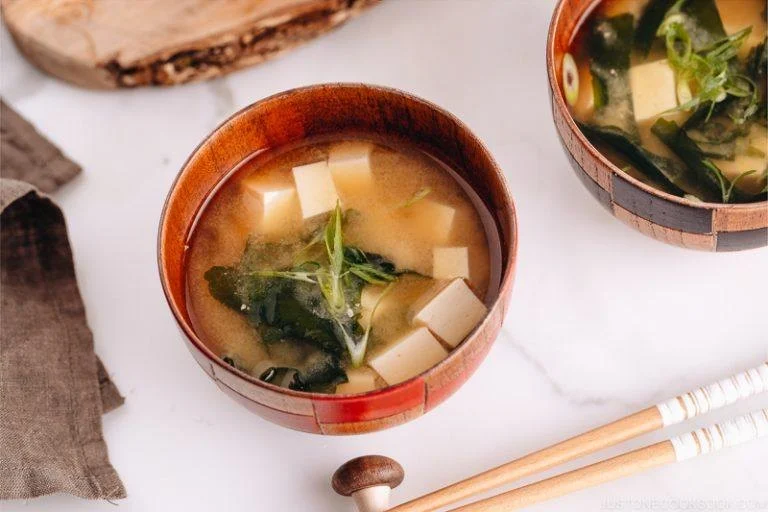
Kombu dashi is the ideal foundation for miso soup, clear broths, and vegetable stews. Its subtle umami enhances ingredients like mushrooms, tofu, and seasonal vegetables. For example, a traditional miso soup with tofu cubes and wakame seaweed becomes instantly richer with kombu dashi as the base.
Beyond Japanese recipes, kombu dashi can elevate Western-style soups. Adding it to a vegetable minestrone or a light chicken broth adds complexity and depth, making dishes taste naturally savory without extra seasoning.
Enhancing Rice and Noodle Dishes with Kombu Stock
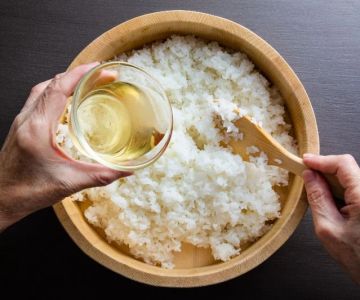
Kombu dashi is not just for soups. Cooking rice with a splash of kombu stock instead of plain water infuses subtle umami, perfect for sushi rice or simple side dishes. Similarly, noodles such as udon or soba gain a more balanced and satisfying taste when simmered in kombu dashi.
For quick weekday meals, using kombu dashi as a base for stir-fried noodles or rice bowls transforms the dish with minimal effort, demonstrating its practicality in everyday cooking.
Creative Ways to Incorporate Kombu Dashi in Fusion Cooking
Modern chefs have embraced kombu dashi beyond traditional Japanese cuisine. It works wonderfully in risottos, enhancing the savory depth without overpowering other flavors. A seafood paella gains additional dimension when a small amount of kombu stock is added to the cooking liquid. Even vegetable purees and sauces benefit from the subtle umami, turning ordinary dishes into extraordinary experiences.
At home, experimenting with kombu dashi in salad dressings, marinades, and grain bowls introduces a subtle complexity that encourages new flavor combinations while staying approachable for novice cooks.
Tips and Tricks for Storing and Maintaining Dashi Freshness
Once prepared, kombu dashi can be stored in the refrigerator for up to a week or frozen in ice cube trays for portion control. For best results, always remove kombu after heating to prevent bitterness. Some home cooks also reuse kombu for a second, lighter batch of dashi, making it economical and sustainable.
Using airtight containers preserves aroma and flavor, allowing cooks to maintain a ready supply of umami-rich stock for spontaneous cooking adventures.
Real-World Examples and Personal Stories from Home Chefs
Many home cooks report that incorporating kombu dashi into everyday meals has transformed their approach to cooking. One chef shared that using kombu stock in her weekday miso soup routine reduced her dependence on salt while enhancing flavor complexity, impressing her family without extra effort. Another highlighted the versatility of frozen dashi cubes, which allowed quick enhancement of weeknight pasta sauces and vegetable sautés.
These personal insights showcase that kombu dashi is more than a specialty ingredient—it’s a practical, flavorful tool for home kitchens. For those looking for quality kombu or culinary inspiration, Japanese Restaurant provides resources, products, and recommendations to help make umami-rich cooking accessible and enjoyable.
By integrating kombu dashi thoughtfully, both novice and experienced cooks can elevate their everyday dishes, creating meals that are flavorful, balanced, and delightfully satisfying.





 Nozomi Sushi House4.0 (75 reviews)
 The Public Izakaya4.0 (330 reviews)
 Inaho Japanese Restaurant4.0 (343 reviews)
 Kumadori4.0 (225 reviews)
 Bottle Rocket Fine Food and Beverage4.0 (393 reviews)
 Sushi King - Little Creek3.0 (1029 reviews)
 What Makes Nikko Japanese Restaurant Stand Out Among Japanese Restaurants – Unveiling Its Unique Appeal
 Trusted Japanese Food & Restaurant Supply Trading Company in Secaucus NJ
 Signature Sushi and Ramen at Bozu Japanese Restaurant
 What Makes Japanese Curry Restaurants Stand Out Among Japanese Dining
 What to Do in a Japanese Restaurant: Dining Etiquette, Menu Tips, and Cultural Insights
 The Complete Guide to Dining at Hiro Japanese Restaurant